10 hours ago
11 Ways to Keep Your Teeth Healthy
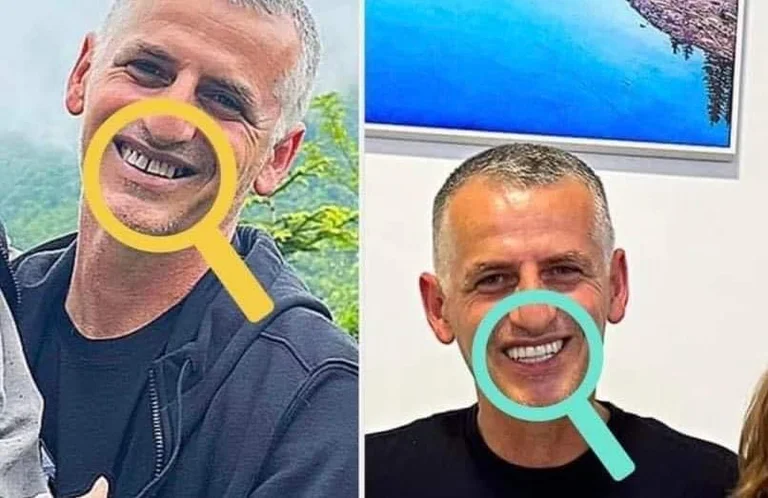
Periskopi(2 years ago)
(2 years ago)The key to healthy white teeth and smiles during your lifetime is the practice of proper oral hygiene. Tooth care is very important in maintaining our health in general, both physical and mental. Maintaining healthy teeth requires care throughout life. Even if they told you [...]
The key to healthy white teeth and smiles during your lifetime is the practice of proper oral hygiene. Tooth care is very important in maintaining our health in general, both physical and mental.
Maintaining healthy teeth requires care throughout life. Even if you are told that you have beautiful teeth, it is essential that you take appropriate steps each day to care for them and prevent problems. This includes taking appropriate oral care products as well as caring for your daily habits.
Don't go to bed without brushing your teeth
It is no secret that general recommendation is to brush your teeth at least twice a day. Yet, many of us continue to neglect brushing our teeth at night. But sleeping washing removes germs and plaques that accumulate during the day.
Clean up properly
The way you clean your teeth is just as important, in fact, to do a poor toothwashing job is almost as bad as not to wash them. Take your time, move the toothbrush with soft circular movement to remove the table. The unpaved tablet can become hardened, leading to piles of stones and pingiv (an early disease of gums).
Do Not Forget Your Language
The tablet can also be created in your language. This may not only lead to a bad breath but lead to other oral health problems. Wash your tongue gently every time you brush your teeth.
Use a flurior toothbrush
When it comes to teeth, there are more important elements to ask for than bleaching power and taste. Regardless of which version you select, make sure it contains fluor (warm chemical element).
While the fluor has been considered by those who worry about how it affects other areas of health, this substance remains a pillar in oral health. This is because the flu is a major protection against tooth decay. It works by fighting germs that can lead to decay and by providing a protective barrier to your teeth.
Consider mouthwashing
Swartz says mouthwashing helps in three ways: reduce the amount of acid in the mouth, clears the difficult areas for washing in and around gums and re-animating teeth. “Gjocarlarers are useful as a tool to help bring things into balance”, he explains. I think that in children and older ones, where the ability to brush your teeth and thread may not be ideal, a mouthwashing is especially beneficial. ”
Drink More Water
Water continues to be the best drink for your general health, including oral health. And as a great rule, Schwarz recommends drinking water after each meal. This may help wash some of the negative effects of food and sticky and acidic beverages between the brushes.
Eat Conch Fruits and Plants
Willing foods are suitable, but maybe not so much when it comes to your teeth. Eating fresh and chrocan products not only contains more healthy fibers but is also the best solution for your teeth. Try to avoid overly mixed things, do not cut things into small pieces, and make those jaws work.
Limit sugar and acid foods
After all, sugar becomes acid in your mouth, which can then erode your tooth's enamel. These acids are the ones that lead to gravity. acid fruit, teas and coffee can also damage tooth enamel. While you should not necessarily avoid such foods at all, it is not harmful to be conscious.
Visit your dentist at least twice a year
Your daily habits are crucial to your general oral health. Still, even the most caring brushes and cleaners should be regularly visited by the dentist. At least you should visit your dentist for cleaning and checking twice a year. Not only can a dentist remove the stones and look for causes but it will also be able to detect potential problems and offer treatment solutions.
Some dental insurance companies even cover more frequent dental checks. If this is the case for you, take advantage of it. Doing so is especially helpful if you have a history of dental problems, such as tingivity or frequent calyses.