26 minutes ago
“The Guardian”: Kosovo accused of inflammatory tensions following decision banning dinar use
Periskopi(2 years ago)
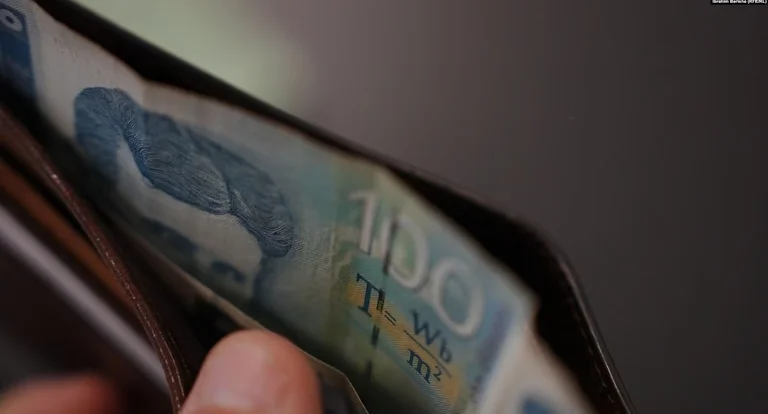
(2 years ago)The BEC board has approved the new regulation for Operational Operations with Willing Money, which will be in force as of February 1st. According to her, the only currency allowed to be used for conducting cash payment transactions and in the payment system in Kosovo is euros. Regarding [...]
The BEC board has approved the new regulation for Operational Operations with Willing Money, which will be in force as of February 1st. According to her, the only currency allowed to be used for conducting cash payment transactions and in the payment system in Kosovo is euros.
On this subject, the prestigious medium “The Guardian” wrote saying that “Kosovo is accused of increasing interethnic tensions by banning the use of the Serbian dinar”, further citing the allegations of the United States of America and the European Union against the new regulation of the Kosovo Central Bank.
The United States has charged Kosovo authorities that they are increasing interethnic tensions unnecessarily after the Government decided to ban the Serbian currency measure and instructed the Serbian community to accept the euro. Police raids ordered by the Minister of Internal Affairs in four organisations working in Serb populated areas, which came days after the currency decision, have increased fears of escalating the security situation”, wrote the “The Guardian”.
Also cited are the accusations of Serbian officials that the CEC's decision will affect the daily life of Serbs who depend on Serbia's social assistance.
The European Union has criticised Kosovo for its unilateral “steps”, adding that it fears it will push for escalation of reports with Serbia.
These are disturbing steps because they do not contribute to the reduction of the” situation, said Josep Borrell, the European Union's high foreign policy representative. “are not co-ordinated, they are biased without the proper level of preliminary consultation in order to prevent the negative impact they may have on the ground”.
European officials have said that the status of organisations that were closed by police the parallel structures created by Belgrade should be addressed in the EU-attensive dialogue. The Guardian” has recalled the September 24th attack on Serbian uniformed Banjska. A Kosovo police officer and three terrorist group attackers were killed.
The euro has been the only currency in Kosovo since the post-war. But Serbs, with about 5 percent of the population, continue to use the dinar, and according to the “The Guardian”, this is a reflection of Kosovo's refusal to citizenship. They receive pensions, salaries and other social benefits from Belgrade.
The international community has asked Kosovo to postpone the regulation, adding that there is not enough time for information. Kosovo has agreed with the transition, but sėka has shown how long it will last.
Serbia's president, Aleksandar Vuciq, the policy towards the dinar has named “consecutive ethnic cleansing”, while warning of calling an emergency session of the UN organisation's Security Council.
The Guardian” has also written in sources that Kosovo's decision has to do with the desire to provoke, but to fight economic crimes and false money. And for parallel structures, Belgrade was hired to remove with 2013 agreement