6 hours ago
Disfellowshipping the dinar risks bringing Kosovo into trouble with internationals- What did the US and EU seek yesterday?
Periskopi(2 years ago)
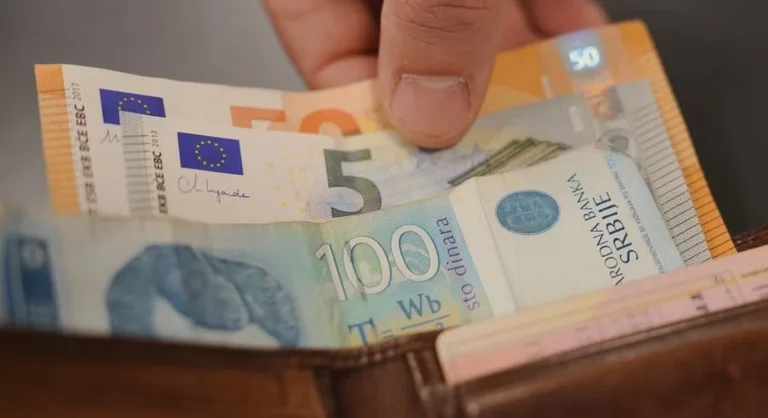
(2 years ago)Authorities in Kosovo said on Wednesday that on February 1st the Central Bank's regulation on cash payments in the country would enter into force, but left open the possibility of a transitional period for resolving the concerns of the Serb community that continues to use the Serbian dinar. This has sparked immediate reactions [...]
During yesterday's European Union, US Ambassador to Pristina Jeffrey Havenier and the American State Department came up with official reactions through which they have rejected Kosovo's current plans to continue with implementation of the decision to restrict the Serbian dinar.
Through one Business, the EU has insisted that this issue be included in dialogue between Kosovo and Serbia, as well as on finding a solution.
“The short transition period for law enforcement, combined with lack of information and practical solutions for all affected communities, are at risk of seriously complicating their lives.
The EU urges Kosovo to secure a very long transition period and find a negotiated solution to this issue within EU-enlightened dialogue“, said in communiqué.
The bloc voiced concern about the consequences this decision could have on the daily life of Kosovo Serbs.
“The European Union takes into account the regulation of the Kosovo Central Bank, which is expected to take effect today. The regulation aims to increase transparency of financial flows, ensure financial stability and fight money laundering and counterfeiting. The EU notes that the regulation will affect even the financial support Kosovo Serbs receive from Serbia.
The EU is concerned about the consequences this decision may have on the daily life of Kosovo Serbs and other communities throughout Kosovo due to lack of preliminary consultations, especially for its impact on schools and hospitals, given the apparent lack of alternatives at this moment”, said in the EU statement.
US Ambassador Jeff Hovenier has said Thursday that the US opposes implementing the BEC's regulation before it is fully prepared, which determines only euro currency to be used for cash payments nationwide.
Hüvenier said the US is concerned that the regulation could fuel ethnic tensions in the country.
“We are concerned that the regulation, as we understand it, does not fully take into account the impact it will have on individuals, especially individuals who receive financial support from the Serbian government. We think this issue deserves more careful consideration and discussions on the EU-brokered dialogue. We are concerned that it is likely to escalate ethnic tensions and be problematic for daily life of a number of Kosovo citizens”, he added.
In a later statement, the US State Department said Thursday it is deeply disappointed with Kosovo's current plans to continue with implementing the decision on limiting foreign currency import, including the Serbian dinar.
KAS said decision <x0 unilateral” Kosovo's to implement a Kosovo Central Bank regulation limits the US's chances ofvoting for Kosovo in the international arena.
“We call again for the implementation of this decision to be postponed immediately until satisfactory procedures are established in line with European standards and the population is sufficiently educated on how transitional periods will continue. The decision was announced without adequate preparation or consultation”.
It even points out that the consequences of these actions, described as unilateral, will have consequences.
“We call again for the implementation of this decision to be postponed immediately until satisfactory procedures are established in line with European standards and the population is sufficiently educated on how transitional periods will continue. The decision was announced without adequate preparation or consultation”, says an American State Department response to the Voice of America.
The UN said it has asked the authorities in Kosovo to explain what urgent problem it intends to resolve this regulation and whether emergency is needed.
“We haven't heard a proper answer. Many Kosovo citizens now do not know how they will pay their bills or receive pensions. The move is also not in line with Kosovo's commitment to working through the facilitated dialogue by the European Union to address issues affecting the well-being of the Serb minority community”, the US State Department says, underlining that good governance and good international partnership require time to assess the consequences, listen to the prospects and consult others for a viable solution.
The consequences of this and similar unilateral actions limit United States' chances as Kosovo lawyer in the international arena”, said in response.
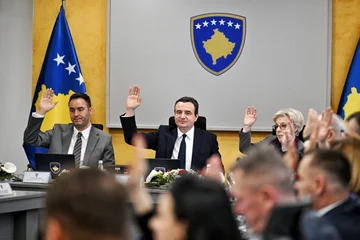
Meanwhile, the country's prime minister, Albin Kurti, during yesterday's day commenting on the EU's application for Kosovo to provide long-term transitions for the removal of the Serbian dinar, said the transitional phase has started since December last year and everything has gone smoothly.
“Just successful preparations for implementing the BEC regulation have alarmed official Belgrade, and they then tried to spread panic through a campaign trumpeted by the head of state there. With information that I have everything going right, but if there's a complaint or a complaint, we'll address it with the highest seriousness and the highest speed.”, Kurti declared.
Kurti reiterated that the CEC is an independent institution and that independent institutions cannot overreach politicians.
“The CEC is an independent Kosovo institution, cannot politicians over-represent independent state institutions, because we also lose the democratic republic's character for our independent country. Constitutionality, legality, decision-making of independent institutions cannot be negotiated by politicians”, Kurti said.
The Kosovo government has declared that the BEC regulation does not mean it will stop transfers of money from Serbia and does not also imply financial penalties for the possession of currency of other states.
However, on February 1st no import of money will be allowed if the institutions that make the import are not licensed by the CEC.
On 31 January, Kosovo Deputy Prime Minister Besnik Bislimi said he would launch a campaign to inform citizens of this regulation, adding that he hopes there will be talks between Kosovo's central banks and Serbia for finding a mechanism for transparent transfer of tools.
The introduction of the BEC regulation has raised concerns among the Serb population in Kosovo, which has used the Serbian dinar to carry out payments. With this currency, workers at Serbian institutions in Kosovo have received the salary, but even with dinars, pensions have been paid, according to the Serbian system, as well as additions for children and social aid.
Also, in areas where Serbs live, dinars have been used in trade objects, while in the four Serb majority municipalities in the north, prices are of dinars.
The Serbian list, the main Serb party in Kosovo, had earlier said that the BEC's decision jeopardises the survival of Serbs in Kosovo.