12 minutes ago
“Lyria, trust and reconciliation” The attitudes and desires of Serbs and Albanians from northern Kosovo
Periskopi(a year ago)
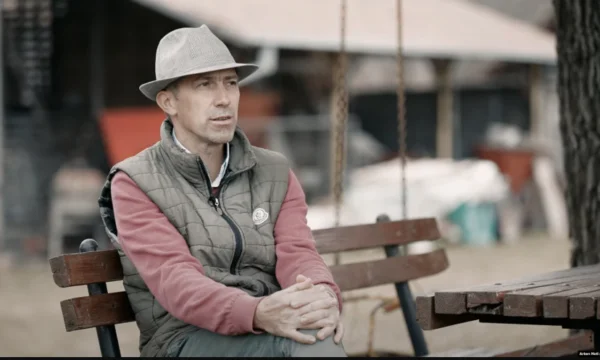
(a year ago)“Liberty and faith”. This is what Dragisa Lykiqevic most currently lacks from the village of Kutnje, in the municipality of Leposaviqi, where mostly Serbs live. It deals with agriculture and the production of domestic cheese, meat and fruit products. On a property of about 12 acres [12 ha] near the Iber River, he cares for domestic animals. [...]
“Liberty and faith”.
This is what Dragisa Lykiqevic most currently lacks from the village of Kutnje, in the municipality of Leposaviqi, where mostly Serbs live.
It deals with agriculture and the production of domestic cheese, meat and fruit products.
On a property of about 12 acres [12 ha] near the Iber River, he cares for domestic animals.
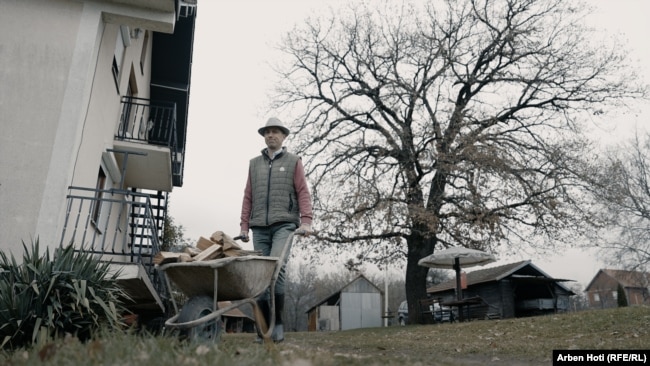
In addition, Dragisa is employed in one of Serbia's institutions that the Kosovo government has closed by the beginning of 2024, arguing that their operation is illegal.
Some of the closed institutions are the Post Office of Serbia, the Post Savings, the Municipal Interim Organies, the Treasury of the People's Bank of Serbia, and the Institute for Pension and Invalidary Insurance in Northern Mitrovica, which have been replaced by institutions, posts and banks operating in the Kosovo system.
However, Dragisa Lakiqevic explains that they also need institutions working in Serbia's system so that they can communicate with their relatives or friends.
For example, we are much more oriented towards Raska, Kralev and Novi Pazar [city in Serbia] than towards Vushtrri either, for example, towards Pristina [the capital of Kosovo located south of the Iber River]. Unfortunately, it is. We had relatives in Pristina, but those relatives are no longer in Pristina. They are now in Kragujevc or Belgrade. And now when this central power opens to us the Kosovo Post here, what do I do with that institution here?
Serbia, meanwhile, refuses to close its institutions for Kosovo territory and has moved them near the border zones on the Serbian side. Also located are ATMs where Kosovo citizens can withdraw their payments to dinars, given that the Government of Kosovo has banned the use of Serbia's official currency from the beginning of 2024.
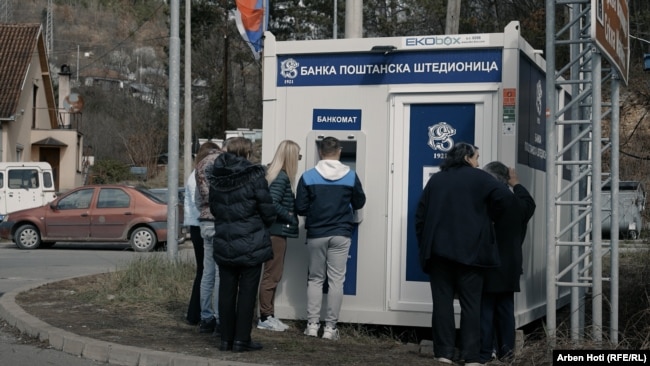
Dragisa Lakuqekekevq, but even most other Serbs from Kosovo see these actions as “repression”.
“The dinar issue, it's a very difficult issue. I mean, all our incomes [from Serbia's budget] are in dinars, while now here [in Leposaviq] we can't pay anything in dinars, so we find solutions, we exchange them in euros. Life here has become complicated, but we hope for the best”, says Lakuqevic for Radio Free Europe (REL).
Members of the Serb community in Kosovo receive different incomes from Serbia's budget -- salaries, pensions, assistance to mothers or children, social assistance and other payments.
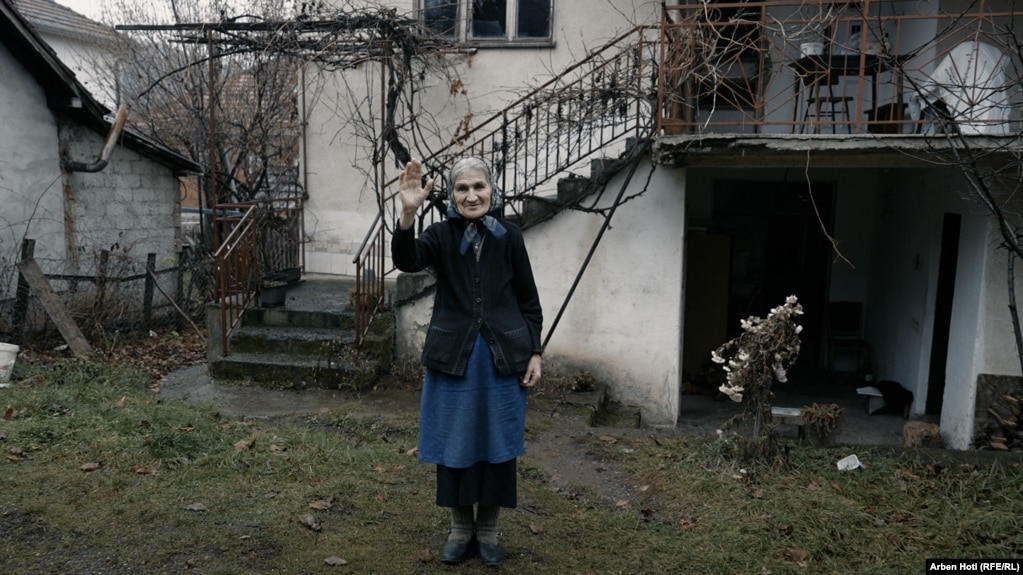
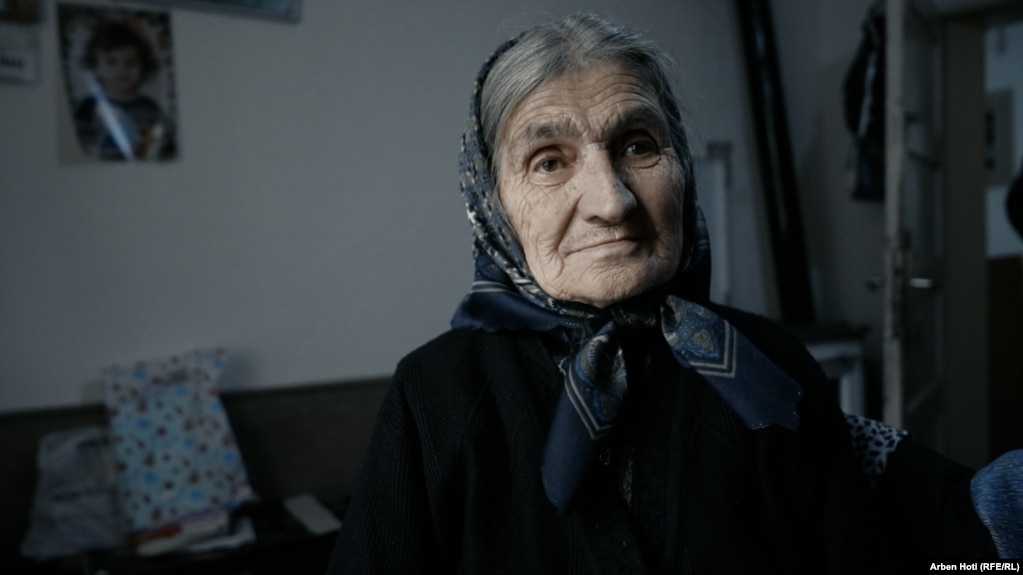
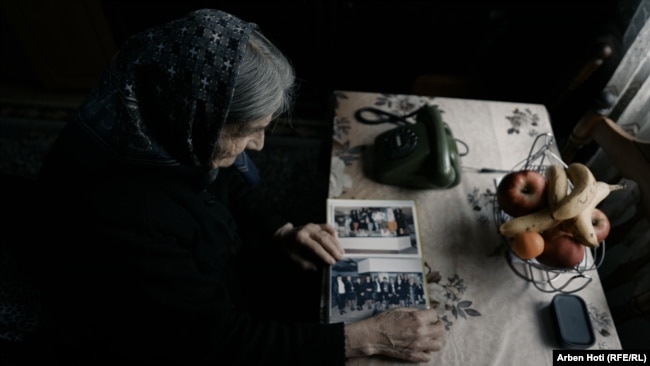
Eighty-year-old Slobodanka Lazovic from Leposaviqi lives alone, and is one of those unable to travel every month to Serbia to retire.
I have some friends who have worked in [North Mitrovica], they have so far brought in. I just go out, she calls me and she tells me when the bus's coming and I go out and I get the [mission]. Furthermore, I don't know what it's going to be”, she says about the REL.
Disbelieve in Kosovo Police
Llazovic says he is burdened by the increased presence of the Kosovo Police and continuing tensions, because, as she emphasises, “has been taught to have freedom and to joke”.
So you have to think about what you mean, you don't know who's passing, you don't know what, what”, she says.
Kosovo stepped up security measures in late November, following attacks on municipality and police station in Zvecan. A few days later, there was one other attack in the village of Varrag, in the municipality of Zubin Potok, when part of the Iber-Lepenc channel, important for the water supply and Kosovo energy system, was blown up with explosives.
However, Dragisa Lakiqevq, like most Serbs with whom Radio Free Europe has talked about the topic of increased security measures, has no confidence in Kosovo Police.
This distrust has been built over the years. We towards the Kosovo Police, due to ongoing arrests, have created a sense of hostility, refusing them as guarantor of security or as a reliable service, but as an occupational force”, he says.
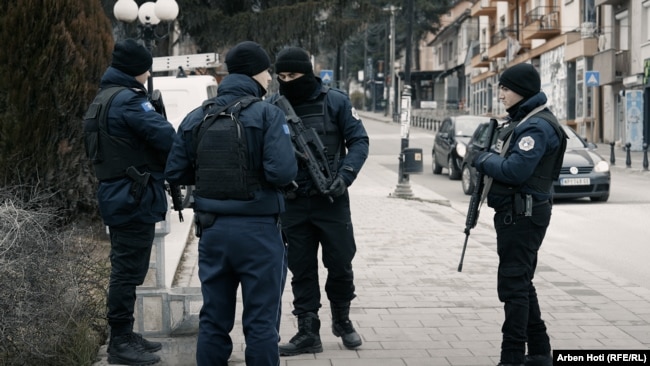
Lakiqevic thinks the situation in northern Kosovo has deteriorated in 2022 and since then their future is uncertain because of continued tensions.
In that year, just in early November, members of the Serb community left Kosovo institutions, including police, at the initiative of the main Kosovo Serb party, supported by Belgrade.
The reason for this decision was the insistence of the Government of Kosovo, led by Prime Minister Albin Kurti, to remove registration plates issued by Serbia for Kosovo cities.
From today's point of view, Lakuqev views that decision as wrong.
We thought we'd get some results, but everything's just getting worse”, he says about the REL.
After leaving Kosovo institutions, Serbs boycotted local elections, as well as in calling on the Serbian List, which led to the election of Albanian mayors of municipalities. Kosovo also deployed policemen from the Albanian community in the north, as those from the Serb community had resigned.
Meanwhile, after many crises over the past two years, Dragisa Lakiq and about 4,000 other Serbs in northern Kosovo eventually replaced Serb plates with those of Kosovo, RKS (Republic of Kosovo).
How do Albanians from northern Kosovo view government actions?
About 30km from Leposaviqi, Zahir Mehmeti from North Mitrovica ʹ municipality where the majority of the population belong to the Serb community experiences the situation quite differently.
To him these are days of joy after he returned to his home that was destroyed during the war some 25 years earlier. He adds that the security situation has never been better.
I was a refugee in my hometown, in the southern part of Mitrovica, where I lived by rent. For 24 years we've lived for rent. After these 24 years, thanks to the government [of Prime Minister Albin] Kurti, who built and enabled us to return to our homes”, says Mehmeti for Radio Free Europe.
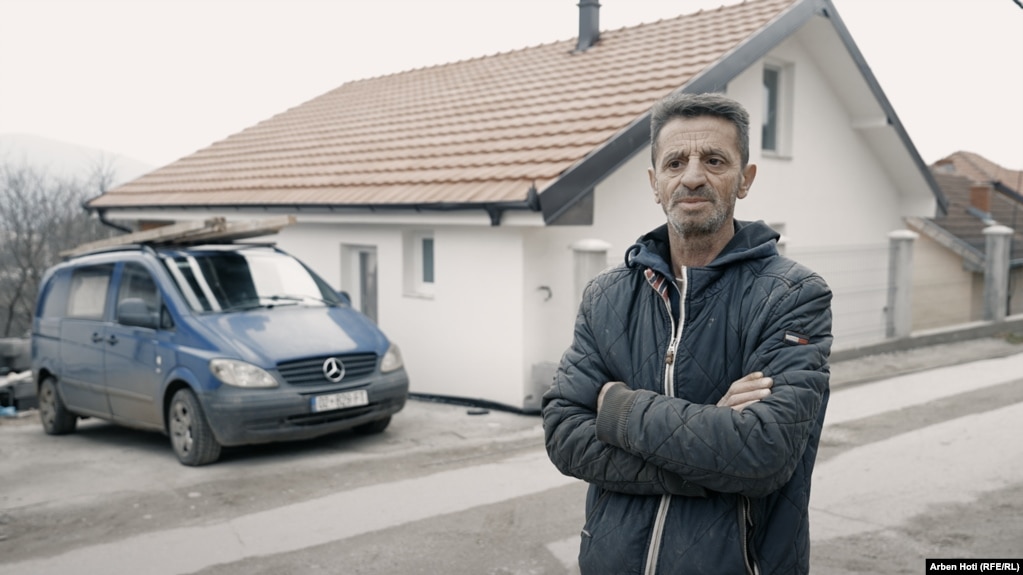
He has returned to northern Mitrovica with his family about four months ago.
“
After the 1999 war, Mitrovica split into two parts of the northern Serb and southern majority Albanian majority, which caused the migration of residents within the city itself.
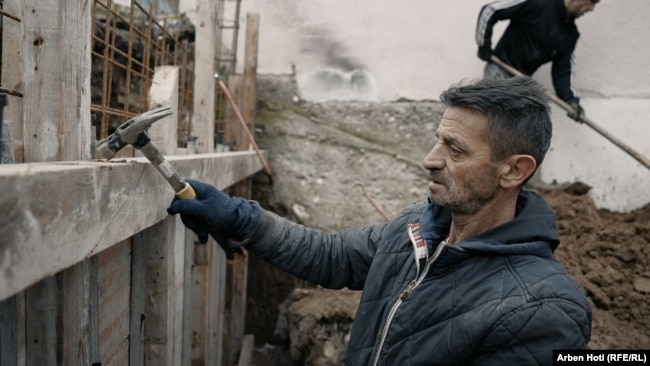
Mehmeti says the situation has changed and that neighbours from the Serb community in northern Mitrovica have accepted his return well. He also works construction work on some of the ones he usually does.
I'm next door to the people I grew up with and we've always lived with without problems. As far as I'm concerned, not just me but nobody here, there's no problem”, he says.
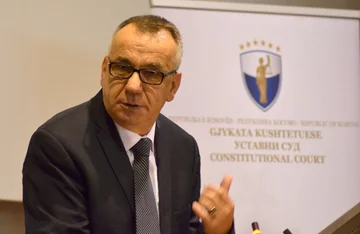
The deputy head of the North Mitrovica municipality's Assembly, Skender Sadiku, considers the conditions for the return of Albanians to northern Kosovo have been created.
North Mitrovica is currently an urban centre for Serbs a political centre, health centre and a country where, gradually, even the Serb community is accepting the return of Albanian citizens. This is a painful process, because it involves a long period of”, he says.
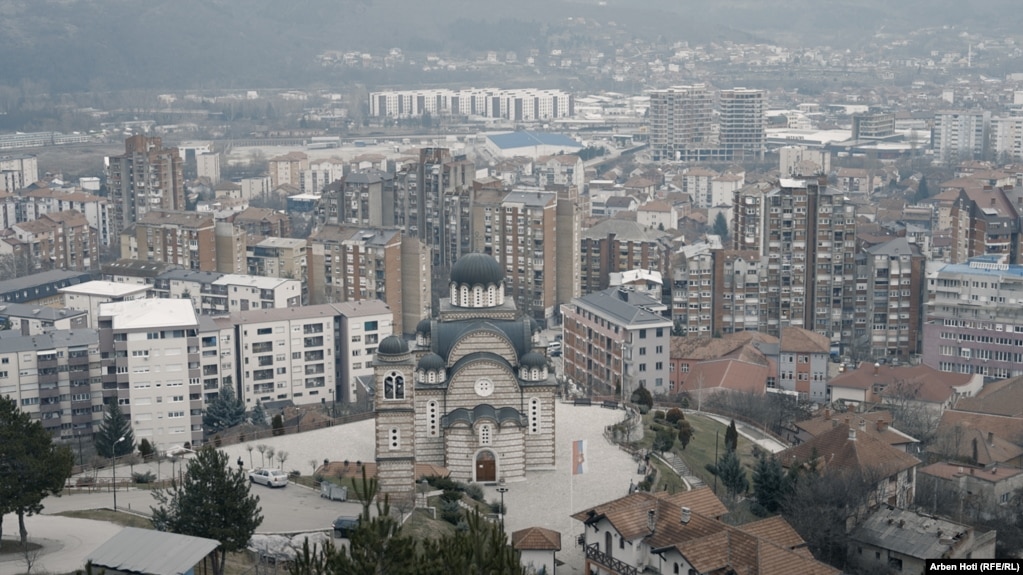
The process of turning Serbs south of the Iber River is also challenging, and according to the Ministry for Communities and Return of the Government of Kosovo data, about 30,000 of the 200,000 displaced people during the period 1999,2004 have returned.
Sadiku points out that Mitrovica, in recent years, has been a haven for many displaced people, both from the Serb and Albanian communities, and now there are cases where Serb and Albanian neighbours help each other.
Slobodanka Lazovic from Leposaviqi hopes for a better and more beautiful future for all, despite numerous challenges and tensions in northern Kosovo.
When the reconciliation occurs, it will be even better”, it concludes. / REL