8 minutes ago
Next EU-Western Balkans summit, part of declaration and normalisation of reports between Kosovo and Serbia
Periskopi(a year ago)
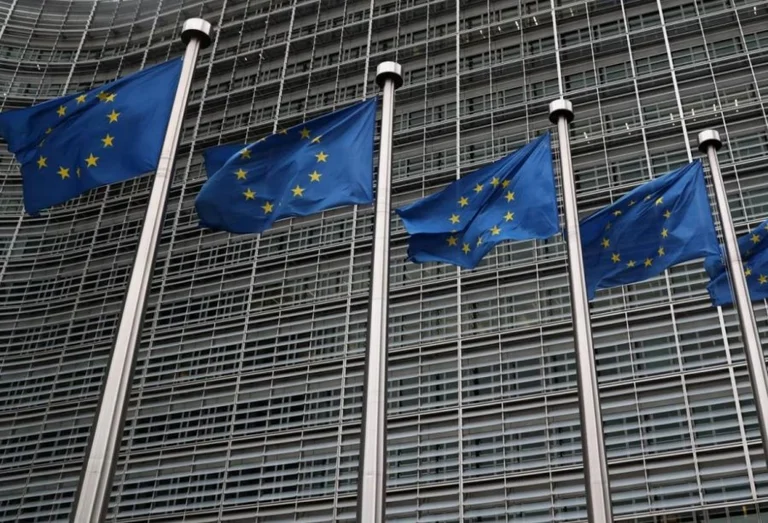
(a year ago)Strengthening the partnership between the European Union (BE) and the Western Balkan countries, including through the gradual integration of these countries into some EU policies, will be the focus of the upcoming EU-Western Balkans summit, which will take place in Brussels on 18 December. On the eve of this meeting, ten days ago, the president [...]
On the eve of this meeting, ten days ago, the new president of the European Council, Antonia Costa, has had an informal joint meeting with leaders of the countries of the region, where, among other things, preparations and expectations from this joint summit have been discussed.
The already regular development of joint EU-Western summits is one of the evidence that the EU has priority this region, reports with its countries, but also the process of their full EU integration. This commitment is expected to be re-enhanced this time at the meeting. This includes the draft of the Declaration prepared for approval in the summit, the text in which Radio Free Europe has also had access.
“Enlargement is a geostrategic investment in peace, stability and prosperity. There is now a new dynamism in the enlargement process. Acceleration of the enlargement process, given the fair and strict conditions and principles of individual merits, is in common interest”, says the declaration, expected jointly to approve the leaders of EU member states and their colleagues from the six states of the Western Balkans.
At the time of Russia's aggression in Ukraine, and with the change of global circumstances, it is expected to be renewed that the partnership between the EU and the countries of the region is more important than ever.
It is only to help speed up the enlargement process from this summit that calls will be sent to the countries of the region as soon as they resolve differences with neighbours, both with European Union member states and among themselves in the region.
“Regional and bilateral differences that have roots in the past for too long have hampered future focus. The integration of trust and tangible bilateral agreements, including the Prespa Agreement with Greece and the Friendship Treaty, the Good Neighborship Agreement and co-operation with Bulgaria, remains key to”, the document said.
These two agreements that are mentioned continue to be reasons why Northern Macedonia is being kept trapped on the road to European integrations without having the opportunity to open negotiating chapters, even though all the technical conditions required have been met. Until recently, Greece blocked decisions on the Council as Bulgaria now does.
Besides Northern Macedonia, which still has open issues with Greece, Serbia now, but Montenegro has open issues with Croatia, an EU member. Due to the deterioration of reports between Croatia and Montenegro, since the Montenegro government has entered the proserbe and prorus forces, Croatia has not presented obstacles even to closing chapters in Montenegro's membership negotiations.
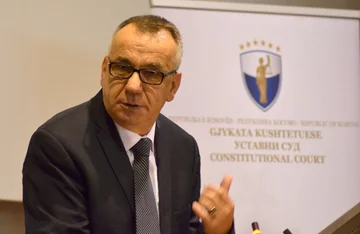
Both Serbia and Kosovo are stuck in the process, among other things, due to lack of progress in normalising their reports. This, in addition to undermining the European integration process, according to the EU, is negatively affecting the stability of the entire region. Therefore, even normalisation of reports between Kosovo and Serbia is expected to be part of summit declaration
The “Agreements reached within the EU's relaxed dialogue between Pristina and Belgrade, including the Agreement on the road to normalisation, must be implemented without new delays. The EU invites all partners to guarantee the rights and equal treatment of those belonging to minorities”, the draft of the Declaration's text says.
Serbia has now opened no chapter in the EU membership negotiations process. Recent Hungarian presidency efforts, backed by the European Commission and most member states, for Serbia to open several chapters have not yielded results, because some member states have agreed to Serbia move.
In addition to the lack of progress in the area of rule of law and media freedom, the cause has also been cited in the process of normalising Serbia's reports with Kosovo.
On the other hand, Kosovo has not scored any moves either. It has applied for EU membership two years ago, but that requirement continues to be kept closed in drawers and has never been reviewed by the EU Council. In the case of Kosovo, one of the main reasons is non-recognition by five EU member states, but also lack of progress in dialogue.
The European Union welcomes the participation of Western Balkan countries in the European Political Community Forum, a forum where many European states are, not just those of the EU. The fact is expected to be welcomed that the upcoming European Political Community summit next year will be held in Tirana.
This time at the summit, concrete processes are expected to be discussed, which are already helping the region get closer to the EU integration process through gradual integration in many areas.
One of them is the Economic Growth Plan for the Western Balkans, worth six billion euros. The EU will express readiness to review the integration of the region's economic and commercial further integration.
The European Union also cites integration into the transport bloc, which is already producing results. The location of green lines at border crossings is also mentioned to speed up the flow of goods. The EU also supports the participation of Balkan region countries in the Green “ “aimed at maintaining the environment and fighting global warming. It also supports the involvement of countries in the region in the EU digital agenda and “the joint digital strategy”.
Therefore, according to diplomats in the EU, this summit will be a chance to discuss concrete co-operation in many areas, from political, defence and security, to energy. All of this will help countries in the region become more quickly ready for EU integration, while strengthening their economies and increasing regional stability through resolving their differences.