8 minutes ago
Brussels hopes for progress in Serb integration after Kosovo elections
Periskopi(a year ago)
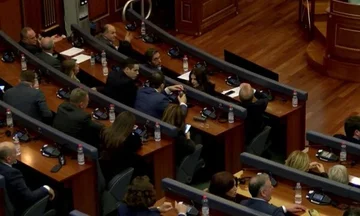
(a year ago)Parliamentary elections in Kosovo that will be held on February 9th of 2025 are viewed by European Union diplomats dealing with the region as an opportunity to normalise the situation in the north and restore Serbs' trust from that part of Kosovo to Kosovo authorities. According to Radio sources Europe and [...]
According to Radio sources Free Europe(REL), in the EU there has always been concern for the problems in this part of Kosovo, from security to the fact that among Serbs in the north or in the past there have been no proper conditions to vote completely free and have access to pluralistic elections, as in other parts of Kosovo.
In past election cycles in the EU's international reports, it is often mentioned that there has been fear and pressure on candidates who did not enjoy the support of Belgrade and the Serbian List in the north. Likewise, there has been no open and equal campaign, while even the media in Serbian have been under pressure.
For the EU, especially disturbing, has been the situation with Serb representation following its resignation organised by Kosovo institutions in November 2022 and boycotting local elections in April 2023.
REL conversationators have said Serbia has said despite claims that the boycott has been the election of northern Kosovo Serbs themselves has had the main role in the resignation of Serbs from Kosovo institutions at the time. And that boycott continues today.
The European Union from 2022 on a continuous basis through reports compiled for Kosovo and for Serbia found that, the withdrawal of Kosovo Serbs from the “institutions before Serbia's violation of obligations from the dialogue and represents a serious setback behind of the 2013-x1 April Agreement.
Before the Kosovo Serb boycott in the northern part of the country took place, the EU mentioned precisely their participation in Kosovo institutions as one of the biggest successes in the dialogue process in general.
“Although we have clearly and consistently expressed our dissatisfaction with the unilateral steps the Kosovo authorities have taken, we have also not hesitated to rebuke Serbia for the major crackdown on normalisation of the situation and the process of dialogue in general with the withdrawal of Serbs from the institutions in the north of“, he has told REL an EU diplomat.
Diplomats in the EU hope that the beginning of the coming year will bring a more positive atmosphere in northern Kosovo and a more constructive, both Kosovo and Serbia behaviour into the dialogue process. Diplomats link this to Serbia's lack of progress, but also Kosovo, in the process of EU integration.
Serbia has not been opened in December to a set of chapters in the negotiation process for integration, even though the European Commission had concluded it has met technical conditions.
Among the obstacles why member states have not allowed Serbia's advancement has also been cited in the lack of proper progress in normalising reports with Kosovo.
EU leaders do not hide that even reviewing Kosovo's application for EU membership relates to progress in the dialogue process.
Sources in the EU say they are encouraged with the reconciliation of Kosovo and Serbia at the latest meeting within the dialogue on implementing the Declaration of Unfinders. They have voiced confidence that this may be a new moment that can be followed with further progress in dialogue.
On the other hand, the call Serbia has made for Kosovo Serbs to participate in the elections in Kosovo is seen as a good sign that even Belgrade has realised it must be more constructive.
Serbia's call, believed to have great influence on Kosovo Serbs, has also been welcomed through conclusions from the Council of General EU Affairs meeting. But, at the same time, expectations are for the reintegration of Serbs in Kosovo to take place without any precondition.
The Council takes into account Serbia's September 2024 call for Kosovo Serbs to participate in the elections organised by official Pristina and for their reintegration into all Kosovo institutions, which have left in 2022. The council reiterates its expectation of their quick reintegration without any preconditions from Serbia, in accordance with agreements from the dialogue and, in all, respecting the Kosovo legal framework”, is said by the ministers of member states in the conclusions adopted on December 17th in Brussels.
The EU expects Serbs not only to participate in the elections but that those who receive the mandate, even to exercise it responsibly, both by actively participating in the work of the Kosovo Assembly and at other levels of government and public life in Kosovo.
It is expected that even the EU mission, which will observe elections in Kosovo, will carefully follow even the electoral process in the country's north and the exercise of the right to vote on the part of all ethnic groups, including those belonging to non-s majority ethnic communities.