3 minutes ago
The vow of Obadiah: CoEfficient 150 euros, economic growth, VAT removal for basic products
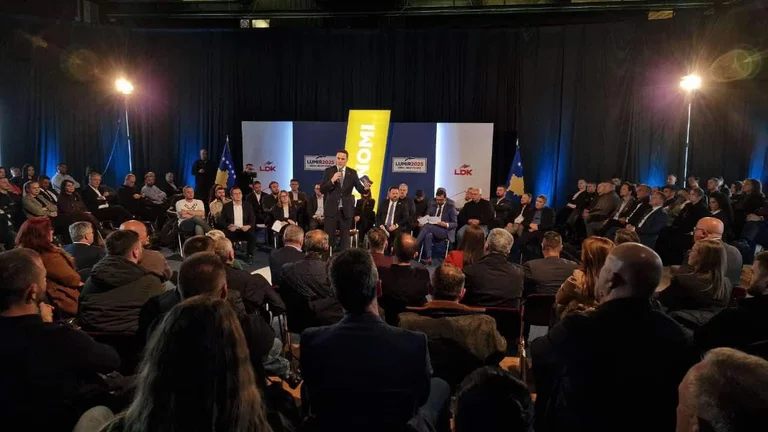
Periskopi(2 years ago)
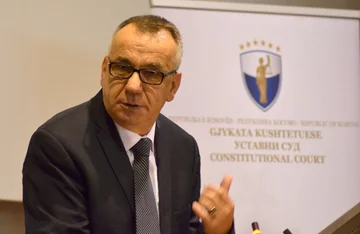
(2 years ago)The Democratic League of Kosovo, has presented the new “programme for Economy “. The leader of this party, Lumir Abdixhiku, has reiterated the pledge for the 150-euro cofficiency. The LDK's “government that in the first week of governance will change the wage cofficiency from 110 euros to 150 euros today. Such wage increases create [...]
The leader of this party, Lumir Abdixhiku, has reiterated the pledge for the 150-euro cofficiency.
The LDK government, which in the first week of governance, will change the wage cofficiency from 110 euros to 150 euros today. Such a salary increase, creates better conditions for civil servants and the entire public administration, which will then be translated into better public services, with particular emphasis on health, education, order and law”, Obadiah said during the programme's presentation, adding that “there will be no pension under 150 euros”.
The first of the LDK spoke of economic growth 45-5% annually and the 4.5 billion-euro budget.
“The LDK aims to average Kosovo to mark real economic growth from 4% to 5% annually. Such economic growth will be achieved mainly by unblocking Kosovo's investment potential through public and private investments”, he said.
Until he said that at the end of the government's first and full mandate, the budget of the Republic of Kosovo amounts to over 4.5 billion euros.
With an average real economic growth of 4.5% annually, the value of Kosovo's economy is expected to be around 12.5 billion to 13 billion euros,” said Abdixhiku.
He has also talked about tax policies that he claims will be advanced in order to ensure effective collections of revenues, equal distribution of tax burdens, and combating informality.
While the priority according to Abdixhiku will be to remove the VAT for the basic consumer basket and for electricity.
“Establishing formalism through the scheme of returning a portion of the VAT will be a priority of our plan. This project will be digitized, where in each purchase through a QR, the code buyers will be able to get back 2% of the VAT, this will affect the growth of formalisation and the creation of an environment for fair competition in the country. Removing the VAT for the basic consumer basket and removing the VAT on electricity”, Abdixhiku said.