9 hours ago
Stay away from antibacterial cleaners, this is the call of the American dermatologist
Periskopi(2 years ago)
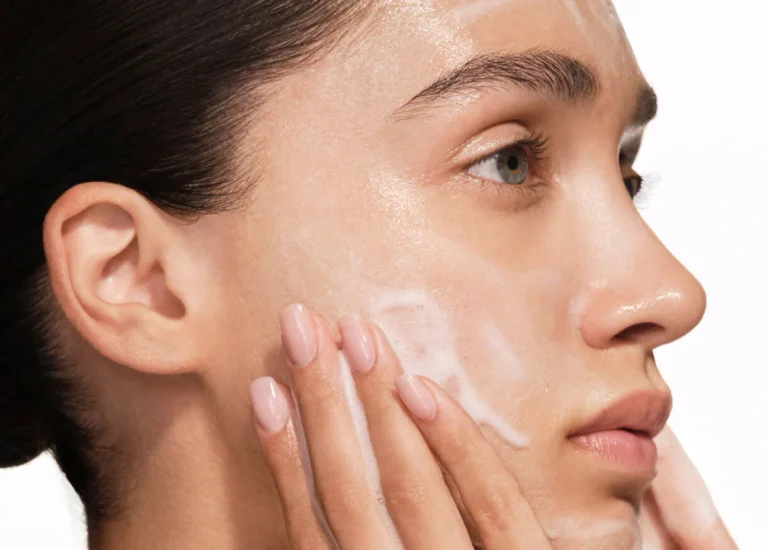
(2 years ago)Antibacterial facial cleaners have become increasingly popular on social networks, but a dermatologist says they are not the answer to most of the average skin problems. Cleaners like C-Scrub and Hibiscrub have become increasingly popular in recent years, especially in social networks, where users claim that these products are [...]
Cleaners like C-Scrub and Hibiscrub have become increasingly fashionable in recent years, especially in social networks, where users claim these products are a wonderful cure for all skin problems,
In particular, TikTok, users boldly claim that such cleaners can eliminate bacteria and reduce risk or even treat acne, eczema, or skin infections.
But according to Dr. Adam Friedman, professor and director of dermatology at George Washington University School of Medicine and Health Sciences, this linear idea that fewer bacteria lead to cleaner and healthier skin is wrong.
Our vivid skin pange, which consists of more than 500 kinds of bacteria, fungi, and even some viruses, is just that part of our dynamic jet armor that protects us from outside the world and helps regulate the function of our body”Says Friedman about Healthnews.
The Dangers of Using Antibacterial Cleaners
While many social media users believe that these cleaners are the best solution to skin care, Friedman says they could disturb the natural skin microbiotic and actually create skin problems.
“Lakura is home to a delicate balance of useful bacteria that protect against harmful pathogens and inflammation” He explains.
When you constantly break that balance, it can lead to unwanted consequences such as increased skin sensitivity, drought, and even a higher sensitivity to infections as the skin barrier weakens. ”
Who Should Use Antibacterial Cleaners
Although this kind of skin care should not be appropriate for all, Friedman says there are specific situations where they may be needed.
For example, dermatologists may recommend these products to individuals with repeated skin infections, which are caused by bacterial colonization or dispurtive hydraden, a condition that leads to dysbiosis because of skin inflammation.
<x) says Dr. Friedman.