11 hours ago
How to stay safe and healthy during the cold this winter season
Periskopi(2 years ago)
(2 years ago)Winter storms may spoil our daily schedules and travel plans, but extreme cold, rain, wind and snow can also affect our health. In recent years, worldwide death rates have been 8% to 12% higher during the winter months, according to data. [...]
Winter storms may spoil our daily schedules and travel plans, but extreme cold, rain, wind and snow can also affect our health.
In recent years death rates worldwide have been 8% to 12% higher during the winter months, according to mortality data from the Centers for Disease Control and Prevention.
This increase is linked to “seasonal changes in human behavior and body” as well as “increased exposure to respiratory diseases”, according to the US Environment Protection Agency.
In addition to preparing a warm house and driving for winter weather, there are other steps you can take to support yourself and others in the cold.
Caring for Children and the Elderly
The babies and the elderly should be the first to be cared for during winter, says Tyler Barrett, executive medical doctor at the University Hospital in Nashville. “Older babies and adults find it more difficult to maintain their basic body temperature because they lose their heat and tend to produce less body heat. Hypothermia occurs when the body begins to lose heat faster than it can produce”, he said.
Staying Safe in Closed Environments
Never use generators, gas, coal, or wooden stoves inside your home. Smoke from these devices can cause the collection of carbon monoxide, Barrett adds, and odorless gas can kill you. Use of the kitchen stove for heating is also unsafe, instead, to use extra blankets or coats. A chimney or a portable space heater may be a safer alternative.
Risks of Freeze and hypothermia
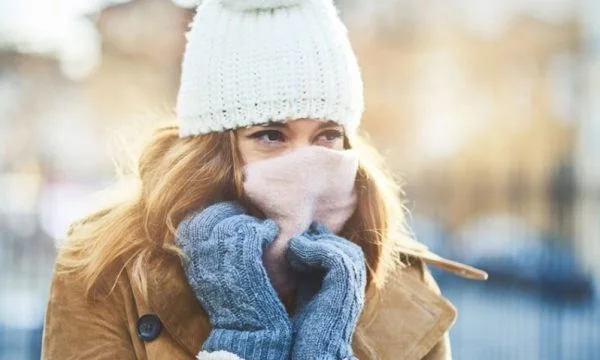
If you need to get out during a winter storm, Barrett recommends limiting the amount of time you spend outside to prevent freezing or hypothermia. “Strike in warm clothing especially for protecting more sensitive areas such as ears, nose, cheeks and fingers, said Dr. Barrett. Freeze can occur when your blood vessels shrink, skin temperatures drop, and ice crystals form around and inside your cells, causing damage. Symptoms include white or gray yellow skin that feels extremely strong. Beware of hypothermia, which is a more serious medical condition and requires urgent medical attention. Other signs include confusion, memory loss and drowsiness.
Stay hydrated
At extremely cold temperatures, our skin can become very dry and cracked if it is not properly hydrated. Use hot water instead of hot water during baths and showers to prevent dry skin from getting worse. The American Academy of Dermatology recommends applying hydration cream immediately after the shower to block the current humidity in your skin. “The people suffering from eczema may have several explosions added during the winter,” said, adding that those with winter-related skin diseases should speak to their primary care provider for further instruction and treatment.