14 hours ago
Mankind faces a new pandemic threat: Disasters from the effects of thousands of years of viruses
Periskopi(2 years ago)
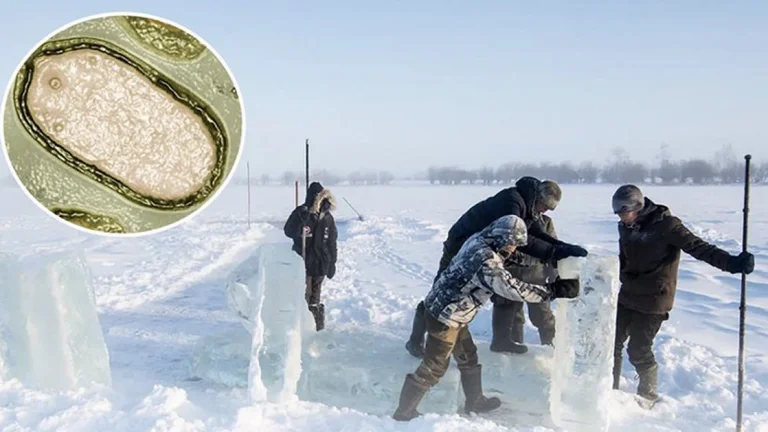
(2 years ago)Siberian Arctic zombie viruses can cause a terrible new pandemic, warn Viruse scientists from the distant past to the Arctic permafrost (free spot forever on or below the surface of Earth), one day may be released as a result of earth's climate warming and trigger a [...]
Siberian Arctic zombie viruses can cause a terrible new pandemic, scientists warn
Viruses from the distant past to the Arctic permafrost (forever frozen roof on or below the surface of Earth) can one day be released as a result of earth's climate warming and cause a major outbreak of diseases, they say.
Methhoselah microbes or zombie viruses as they are also known are already isolated from researchers who have claimed that a new global medical emergency could be caused.
Permafrost covers a fifth of the Northern Hemisphere, having supported the Arctic tundra and the snow forest of Alaska, Canada, and Russia for millenniums. It serves as a type of time capsule, preserving ) except for ancient viruses the mumified remains of a number of extinct animals that scientists have been able to detect and study in recent years.
The reason permafrost is a good storage tool is not just because it is cold; it is an oxygen - free environment in which light does not penetrate. But current Arctic temperatures are heating up to four times faster than the rest of the planet, weakening the upper layer of permafrost in the region.
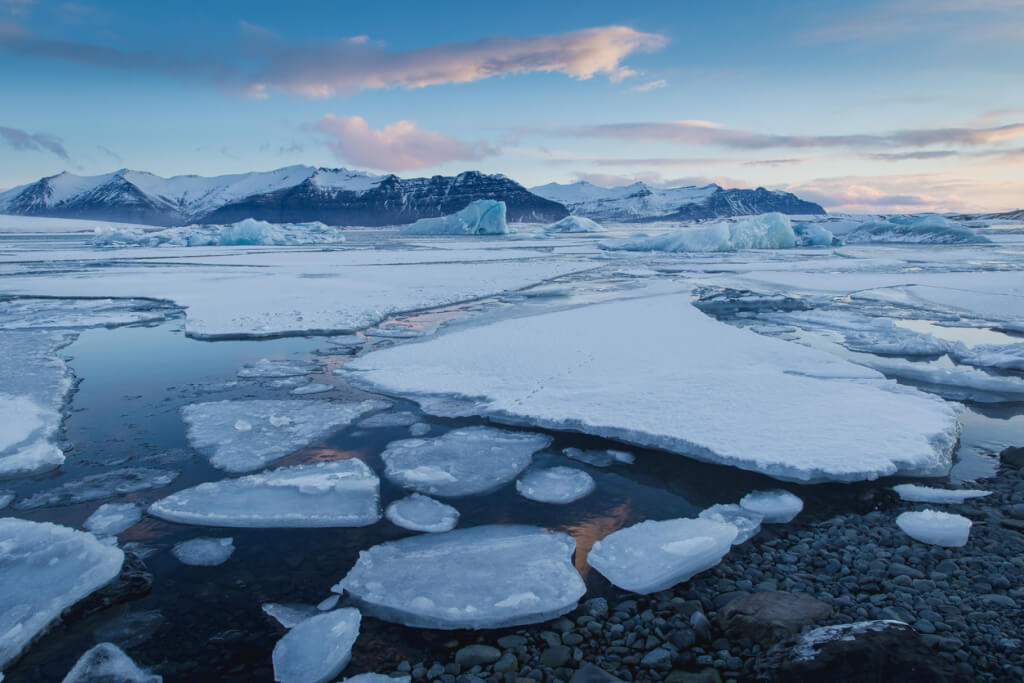
Scientists believe that permafrost ʹ at its deepest levels may contain viruses that are up to a million years old and will thus be much older than our species, thought to have appeared some 300,000 years ago.
Our immune systems may never have been in contact with some of those germs, and that is another concern.
For this reason, numerous scientists are working with Urctic, Arctic University an international educational network in the polar region to create quarantine objects and provide medical expertise that can identify early cases and treat them at a local level to control the infection.
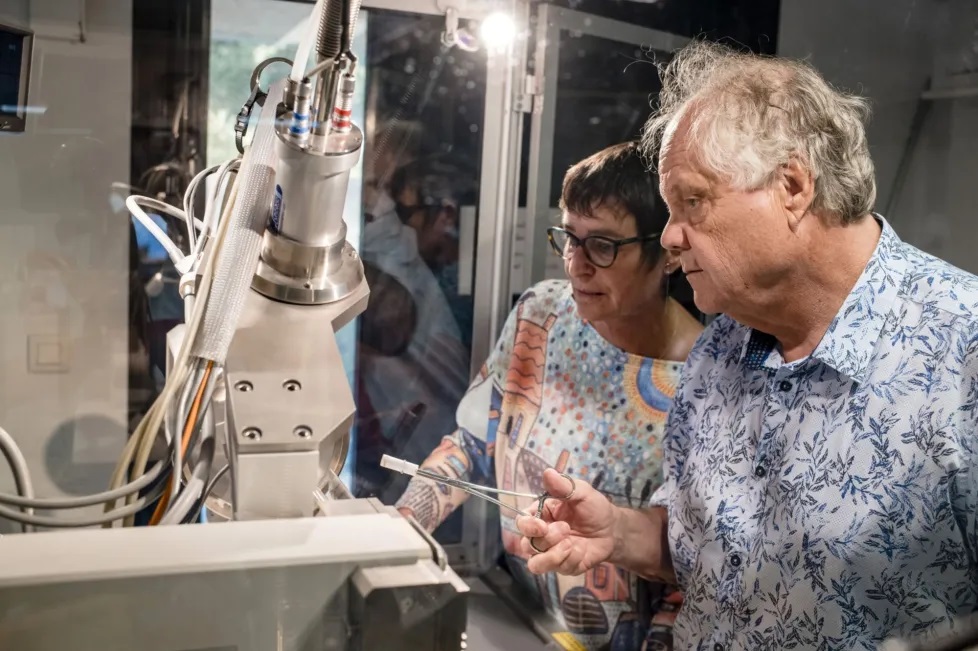
Last year, a team of scientists published research on samples taken from Lake Hazen, a freshwater lake in Canada within the Arctic Circle.
Using a computer model analysis, they suggested that the risk of spreading viruses was higher near the site where large amounts of molten water were poured into the lake a scenario that becomes more likely as the climate warms.
The fact that viruses that infect amoeba are still infectious after so long is an indication of a potentially greater problem. /Telegraph