8 minutes ago
Kosovo government adviser since 1992: The learning of dialogue is only done according to Serbia's interests
Periskopi(3 years ago)
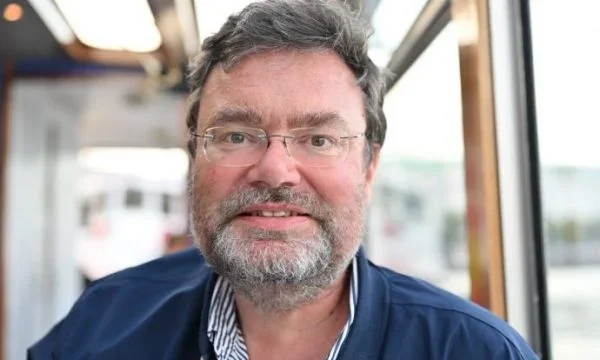
(3 years ago)Professor Marc Welle, who has served as a temporary adviser to Kosovo governments since 1992, has made a deep analysis of Brussels dialogue and its impasse. This expertise of Welle analyzes the reasons for the current impasse of Brussels' negotiations for normalising relations between the Republic of Kosovo and [...]
Professor Marc Welle, who has served as a temporary adviser to Kosovo governments since 1992, has made a deep analysis of Brussels dialogue and its impasse.
This expertise of Welle analyzes the reasons for the current stalemate in Brussels' negotiations on normalising relations between the Republic of Kosovo and the Republic of Serbia.
It says dialogue is being led by the EU's current facilitator in a highly unbalananized way, as much as jeopardises the continuation of the process.
“Accommodating Serbia's refusal to sign the Brussels Base Agreement of February 27, 2023, the process seems to focus only on issues the Republic of Serbia wants to be discussed and which require sacrifices only from the Republic of Kosovo. The whole process, including the German-French initiative for a basic agreement, appears to have been transformed into a machine to pressure Kosovo to accept Serbia's demands by completely ignoring the alleged balance of the Brussels Base Agreement. This fact becomes even more serious with the loss of confidence in the EU's appeal and its wrong approach, unbalanized and sometimes unprofessional during the” process.
According to him, shaping dialogue is only done according to Serbia's interests.
With all the obvious focus of dialogue and SPE mandate, Mr. Lajcak, the Brussels process, has largely ignored this overall goal. Instead, there have been attempts to revive negotiations and technical agreements. The Republic of Kosovo has repeated several times that many, if not the overwhelming majority of these agreements, which are more than 20, are not implemented by the Republic of Serbia”, has written Welle
However, according to him in accordance with the Republic of Serbia's key interests and requirements, dialogue is focused on a single key topic that interests Serbia. This is implementation of the 2013 Brussels Agreement, and this is only about the Association of the Serb Majore (AKSHS) proposed in it.
“Actually, this agreement contains some elements that Serbia has not implemented. Instead of taking a balanced point of view for implementing all agreements reached in the Brussels process, the related requirement for the AKSHS is allowed to turn into a major topic that now dominates the current negotiations. Thus, the facilitator and his international supporters have been corresponding to something that seems to have turned into an inconsistent rebus”
Weller says that instead of seeking to resolve the Gorani knot with innovative proposals in negotiations, all international attention has focused on the obligation of the Republic of Kosovo to accept certain demands at this point.
Such unilateral pressure is not believed to impress a government that has come to power with a powerful popular mandate to defend Kosovo's sovereignty and self-determination”.