23 minutes ago
Biden's Order for the Western Balkans, what it says about Kosovo and the list of people <x0non grata”
Periskopi(3 years ago)
(3 years ago)The Western Balkans pose a threat to US national security”, is the judgment of American President Joe Biden, who has on the basis of which continued the Executive Order for National Emergency in accordance with the International Act of Emergency Economic Powers to deal with the unusual and extraordinary threat to [...]
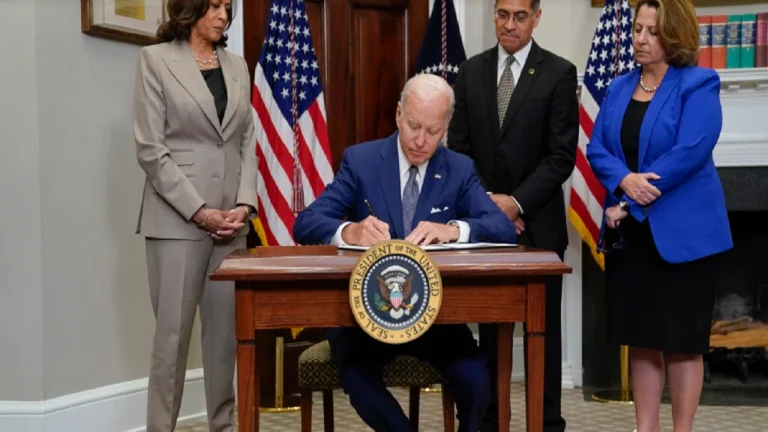
“Western Balkans pose a threat to US national security”, is the judgment of US President Joe Biden, who on the basis of which continued the Executive Order for National Emergency in accordance with the International Act of Emergency Economic Powers to deal with the unusual and extraordinary threat to national security and foreign policy in the United States.
What is said in this decision, and where is Kosovo mentioned?
On June 26th 2001 came the executive order, which was originally signed about the threat the Western Balkans presented to the US.
The order speaks of the US security threat, caused by the actions of those acting by obstructing UN Resolution 1244 of June 10, 1999, in Kosovo.
The order also includes those involved in or assisting, sponsor or support, extremist violence in the Republic of Northern Macedonia (then Republic of Macedonia) and elsewhere in the Western Balkan region, or against those who act by obstructing the implementation of the Dayton Agreement in Bosnia.
The American president later changed that order to the Executive Order of May 28, 2003, to take additional steps in connection with some actions that impede the implementation, among other things, of the 2001 Ohrid Framework Agreement concerning Macedonia that later changed its name.
“on June 8th 2021, I signed the Executive Order of Yugoslavia and the Republic of Albania (Western Balkans), which expanded the area of national emergency announced at Executive Order 13219, confirming that the situation in the territory of the former Socialist Republic of Yugoslavia and the Republic of Albania (Western Balkans), over the past two decades, including the minim of agreements and post-war institutions following the break-up of the former Socialist Republic of Yugoslavia, as well as widespread corruption within different governments and institutions in the Western Balkans, hinders effective progress towards democratic and full-to-Atlantic integration institutions in this way constitutes an unusual threat to the national security and foreign policy of the United States's president, BiH, the United States, the United States's President.
The actions of people who threaten peace and international stabilisation efforts in the Western Balkans, including acts of extremist violence and stumbling activity, and the situation in the Western Balkans, which hinders progress towards effective and democratic governance and full integration into transatlantic institutions, continue to pose an unusual and extraordinary threat to national security and foreign policy of the United States”, continue to be continued.
People included in the blacklist
On the annex of that document were also shown the names of people who were involved in the US blacklist of involvement in one of these activities.
Yesterday, another Albanian politician from Struga was placed on the US blacklist for “significant corruption”. Meanwhile, as of “rebel” due to corruption has been announced earlier even former Albanian President and former Prime Minister Sali Berisha.
Various commentators have recently cited the possibility that even Prime Minister Albin Kurti would join this list because of the threat of regional stability.