5 minutes ago
What is behind Vucic's resignation from the party?
Periskopi(3 years ago)
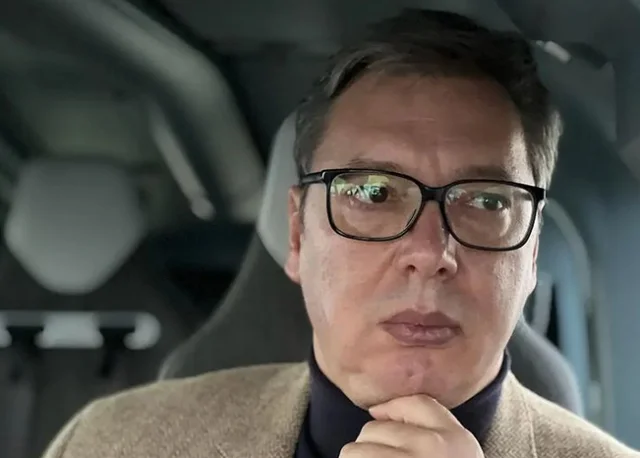
(3 years ago)Serbian President Aleksandar Vucic's resignation from the position of party chairman has passed without falling into the eye of major world media. The Associated Press describes this movement as a tactic to create a broader political movement because it is facing a wave of anti-government protests. According to them, Vucic often [...]
According to them, Vucic has often been criticised for continuing to hold two positions -- that of the president and party chairman. According to analysts, this is an attempt by Serbia's president to regroup as many people after a decade of power and following increasingly growing public pressure.
The Associated Press cites mass protests that are being organised after two tragic events, and also mentions the accusations of protesters towards the government for creating a spirit of anger against political opponents and ruthless propaganda campaigns in major Serbian media.
The American agency writes that opposition parties have pledged to continue demonstrations until their demands are met, which include the dismissal of the interior minister and the head of the intelligent service, the removal of broadcasting licenses for two pro-government television stations and the dismissal of the media monitoring body.
Meanwhile, the new movement of the president of Serbia has also written French FP media, saying the Organised rally Friday looked like an electoral campaign.
quite a bit of the statement by the executive director of the Centre for Free Elections and Democracy (CESID), Bojan Klacar, who has said that the creation of a new political movement is “a way to overcome crises that could potentially explode within the SNS”.
Klacar added that Vucic wants to secure another political mandate by creating a new movement, Danas writes.
With Vucic's suggestion, SNS chairman was elected current Defence Minister Milos Vucevic. Vucicit's party has faced huge public pressure for nearly a month, following two mass killings in early May, in which 18 people, including nine students, were killed at a school in Belgrade.
Since then, several tens of thousands of people, led by the opposition, go to the streets of Belgrade once a week to protest violence in the media and in the political sphere.