2 minutes ago
Report UN for Religious Freedoms Names Serbian Orthodox Church Status in Kosovo
Periskopi(3 years ago)
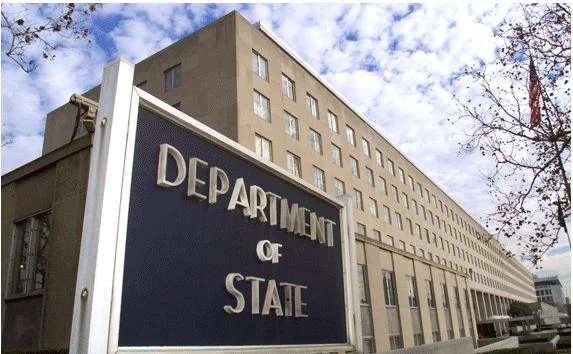
(3 years ago)The government has failed to implement the 2016 Constitutional Court's decision recognising ownership of Serb Orthodox Church lands around the Decani Monastery”, the US State Department for Religious Freedoms report published on Monday, says. The report, about religious freedoms in the Republic of Kosovo, as part of the report [...]
The government has failed to implement the 2016 Constitutional Court's decision recognising ownership of Serb Orthodox Church lands around the Decani Monastery”, the US State Department for Religious Freedoms report published on Monday, says.
The report, which speaks of religious freedoms in the Republic of Kosovo, as part of the general report on religious freedoms internationally, also cited criticism of President Vjosa Osmani's approach and Prime Minister Albin Kurti, when commenting on the Court's decision.
The Serbian Orthodox Church has criticised the statements of top officials, including President Vjosa Osmani and Prime Minister Albin Kurti, who have challenged the court's decision”, says the UN report.
It mentions that the church has considered them dangerous and politically irresponsible”, Kurt and Osman's statement.
In the UN report, much of it has been dedicated to the very issue of the Serbian Orthodox Church and non-invention of the Constitutional Court's decision.
“Decan municipality officials and the central government continue to fail in implementing the 2016 decision that recognises ownership of the Decani Monastery for 24 hectares of land. There was no progress either this year, despite repeated request by the Church and the international community for the Kosovo Cadastral Agency, and more widely for the Government of Kosovo to register ownership of the Church”.
The Constitutional Court of Kosovo in 2021 had declared that all government institutions are obliged to enforce decisions and bring the case to the state prosecutor as well.
By the end of the year, the prosecutor has not initiated criminal action against officials responsible for failing to implement the constitutional implementation of decision”, the report says.
The UN also cites an interview of Prime Minister Kurti, conducted in February, saying that the Kosovo Constitutional Court's “on the return of 24 hectares of land to the monastery is based on the discrimination policy of Serbia's Government 1997”, writes Albanian Post.
The report also speaks of a statement made in June by the head of the Decani municipality, Bashkim Ramosaj, who had publicly reaffirmed that he has no intention of implementing the court's decision.
In response to Ramosj, “a civil society group from Kosovo and Serbia has called for implementation of all court decisions”.
On October 10th, the Decani Monastery had issued a statement saying that the <x0-blocks of implementation of the decision by politicians are violating the independence of the judiciary”, until in July in a media communique, the pan-European federation for cultural heritage, a civil society organisation, Europa Nostra, put the Decani Monastery on the list of the seven most endangered cultural heritage objects in Europe for 2021.
The issue of Decani's monastery has also been discussed in some cases by American officials, who have called for implementation of the decision.
And the very issue of the status of the Serbian Church in Kosovo, which is discussed by the report The UN was also involved in the agreement between Kosovo and Serbia on normalisation of reports.
“Piles will formalise the status of the Serbian Orthodox Church in Kosovo and offer a strong level of protection for Serb religious and cultural heritage sites, in line with existing European models”, says Article 7 of the agreement reached on February 27th based on the Franco-German proposal.