26 minutes ago
Mental - ill inmates are put together with others in prison for conflict
Periskopi(3 years ago)
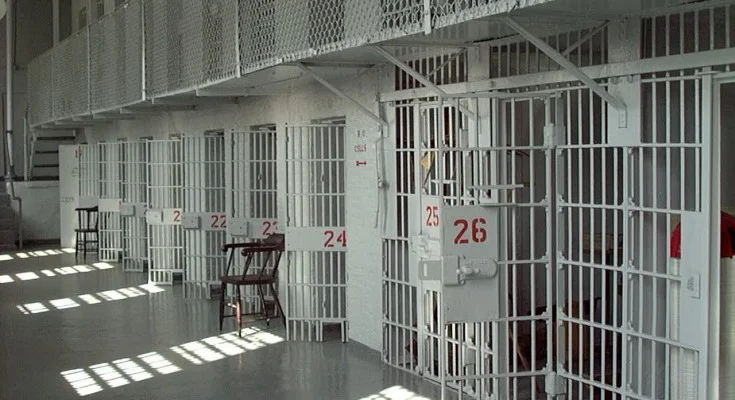
(3 years ago)Placing prisoners of different categories into the same Kosovo prison wards is one of the problems that should be addressed urgently, say representatives of human rights organisations. A report published by the Kosovar Centre for the rehabilitation of Torture Survivors (QKRMT) at the beginning of this [...]
A report published by the Kosovar Centre for the rehabilitation of Torture Survivors (QKRMT) earlier this month has found that inmates with mental health problems and users of narcotic substances are located and treated in wards similar to other inmates, including the elderly and chronically ill.
This acommodation, according to the CRC, represents “unrecognizable treatment”.
The executive director of this organisation, Feride Rushiti, says he is opposed to legal provisions in power, especially to the detainees. The management of these categories of prisoners with other prisoners is also difficult for the staff of corrective centers. This mixture of prisoners brings many times conflict and violence among prisoners”, Rushiti says of Radio Free Europe.
In most cases of violence among prisoners, according to the KKRT findings, prisoners with mental problems and inmates dependent on narcotic substances are involved.
According to Rushiti, such cases are most frequently identified at the Dubrava Correct Centre, the High Security Prison, the Pristina and Gjilan Centre. For this situation, the caution has also appealed to the ombudsman in Kosovo, who has asked the responsible authorities to address the issue. According to data from this institution for 2022, 218 cases of mental disorders and 226 chronically ill 50 persons have been over 65 years of age and four persons with special needs have been addressed in Kosovo.
The same problem is highlighted in the U.S. State Department Human Rights report published last year.
Because of lack of space, inmates with mental disorders are accommodated with the general prison population”, it is said in the Kosovo part of this report.
The special centre for dealing with several categories of prisoners, Kosovo's Ministry of Justice, since 2021, has initiated the procedure for regulating the D ward of the Dubrava Core Centre, as a special object for accommodation and treatment of these detention categories.
Deputy Director General of the Kosovo Correctional Service Ismail Dibran tells Radio Europe that this facility will be put into place soon, but does not specify more.
He gives no details either about the capacities this ward will have or other guardian conditions.
Mistreatment of Prisoners
In addition to the problem of accommodation, the KRC report also singles out “mishandling prisoners” from the staff of correctional centers.
A prisoner, according to the CRC, has claimed that the correctional “was hit by rubber bars several times”, until “has dropped his legs and dropped to the ground”.
For this finding, the REL asked Debra, from the Kosovo Correcting Service, which said that, at the moment the institution received this information from the CRC, it has put investigative commissions in place.
According to Debran, the investigative teams in this case have found that use of force “has been proportional to the reaction of the convict”.
The “models that have been highlighted as being used in this case, like rubber bars, have been removed from the Kosovo Correcting Service” for years, Debrani says.