15 minutes ago
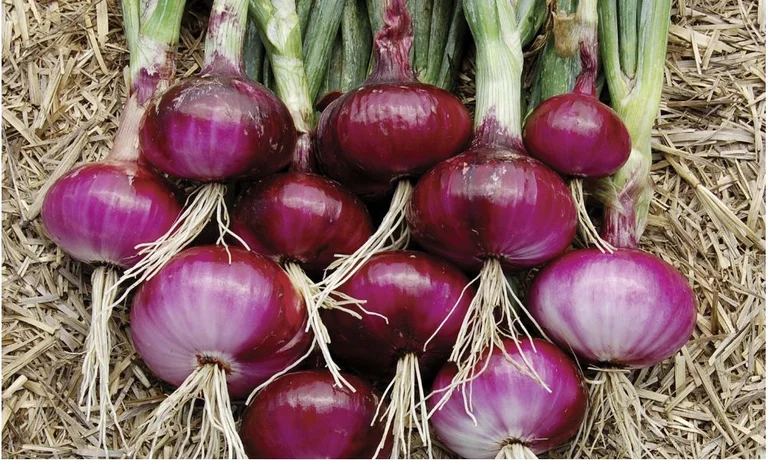
Kosovo does not produce that much onions, its price has tripled year-on-year
Periskopi(3 years ago)
(3 years ago)One kilogram of onions in the Kosovo market has reached up to 1.70 euros. This price is nearly triple higher compared to the same period last year, when this product was sold up to 60 cents. White and red onions on the local market come from China, Egypt, India, France, [...]
One kilogram of onions in the Kosovo market has reached up to 1.70 euros.
This price is nearly triple higher compared to the same period last year, when this product was sold up to 60 cents.
And white and red onions on the local market come from China, Egypt, India, France, Greece, Italy, Albania, Serbia and other states.
The Onion is a fundamental product in citizens' kitchen and one of the most popular vegetables in the market.
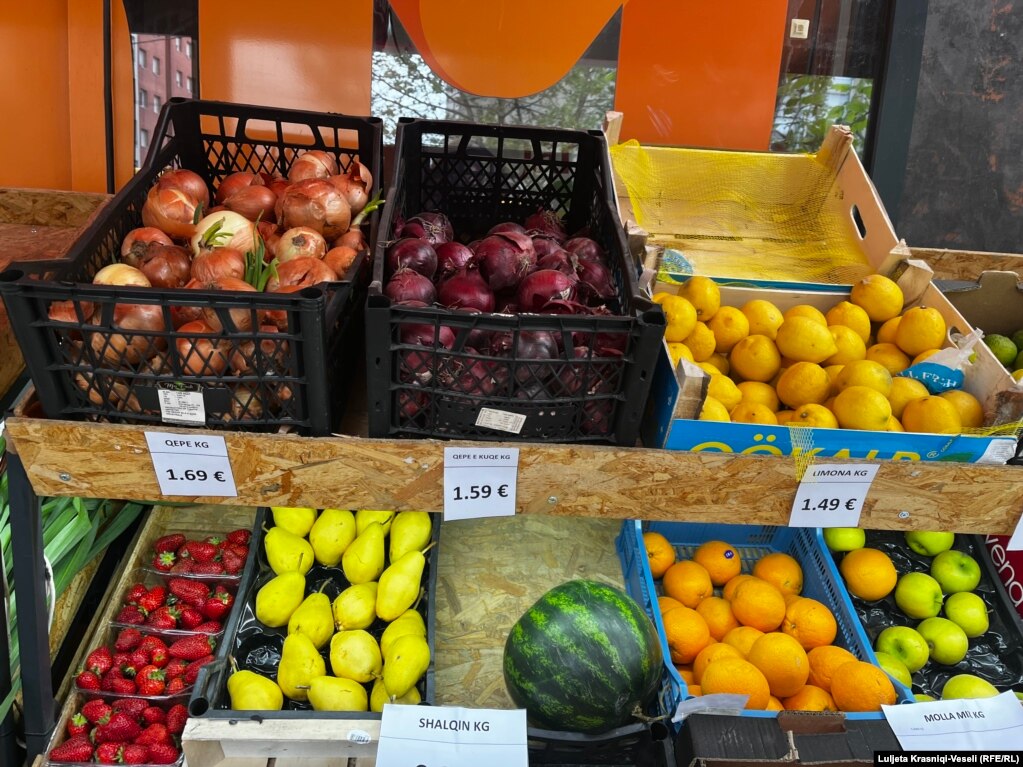
Agriculture Professor Imer Rusinovac considers the high price unwarranted, as it says, Kosovo has a long-term tradition of cultivating it. According to him, it is one of the easiest, most practical products that can be made in Kosovo.
The price for merchants is unusual. They say there are few local products and are obliged to import from other states.
At the Green Market in Pristina, one kilogram of onions ranged from 1.20 euros to 1.50 euros. But the price of this product is up to $1.70 in stores.
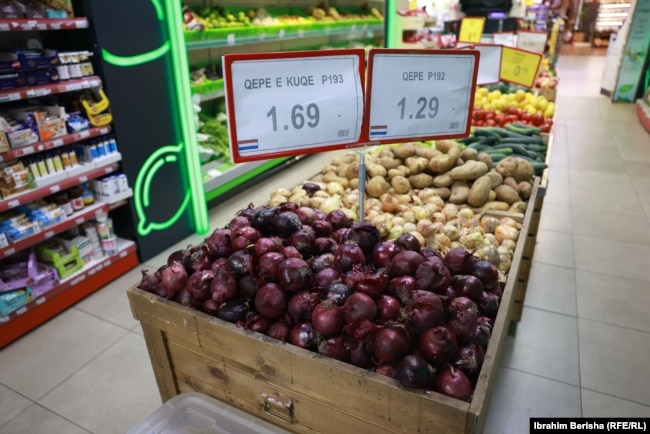
Traders claim that they do not remember that the price of onions was higher than that of tomatoes and cucumbers.
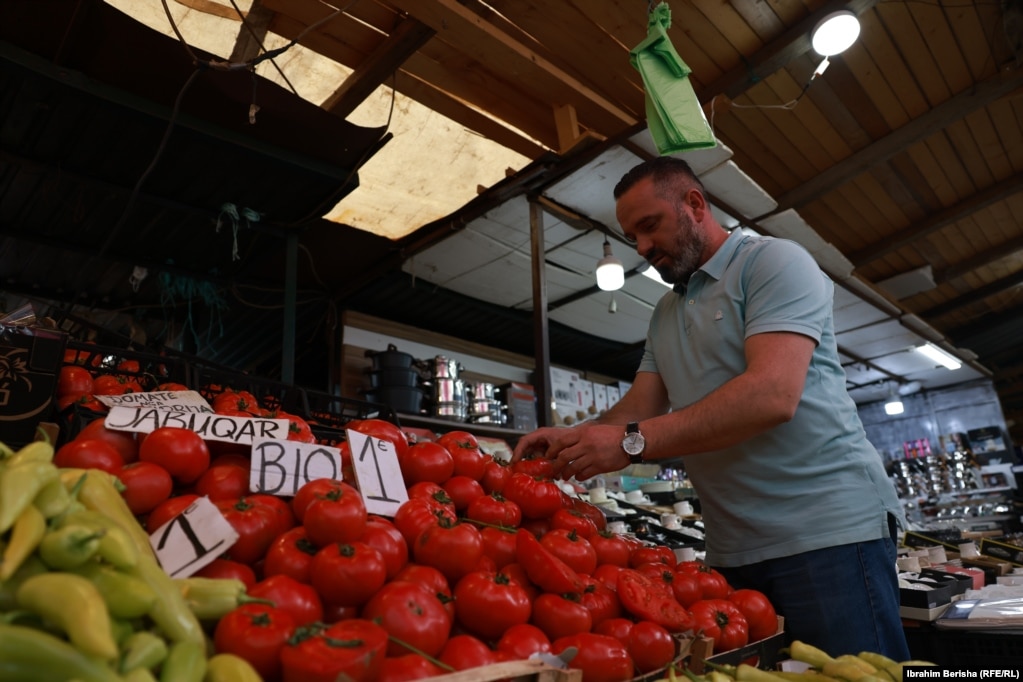
Other “Years have not been so expensive, there has been more local production. When local production, the highest price is 50-60 cents”, says Shaban Bislimi, who sells vegetables and onions imported from Albania.
“E save onion”
The customers we encountered at the market also complained about the price.
Magbula, who was buying this product at the market, said that she has been using fewer onions for a year.
It tastes like food and fixes it, but I'm saving it a lot”, she said.
Absurd also calls the price of onions Mustaf Hajdini until he buys vegetables in the capital's Green Market.
For our standard not only onions but also vegetables are expensive”
There's good and good soil work, but they don't want to work, and normally we should buy at these costs”, he says.
Why is the eyelid not cultivated in Kosovo?
Agriculture Professor at the University of Pristina, Imer Rusinovac, estimates that the cause for failing to meet the needs for consumption from local productivity, is the abandonment of rural areas and the lack of citizens to work the land.
Precipitation on the outside is nonological, and even the price is unwarranted. If it's about rice cultivation, lemons, oranges and bananas, it's not about Kosovo, it's about making eyelids, garlic is traditionally cultivated in Kosovo. And this is not pardoned for the fact that it can coincide with intensive cultivation with our agriecological conditions and can grow in all regions of Kosovo”, Russia says of Radio Free Europe.
Last year over 9.325 tonnes of onions worth over threem euros have been imported in Kosovo.
Zeqir Berisha from the Podujevo municipality cultivates this product for family needs. He does not buy onions but expresses surprise at their price.
It's scandalous to come out of Egypt, India, this is scandalous”, he says.
Farmers involved in cultivating this culture show that last year the price for one kilogram of onions on the Kosovo market has reached up to 40 cents. This year their price in the majority market could reach up to 50 cents.
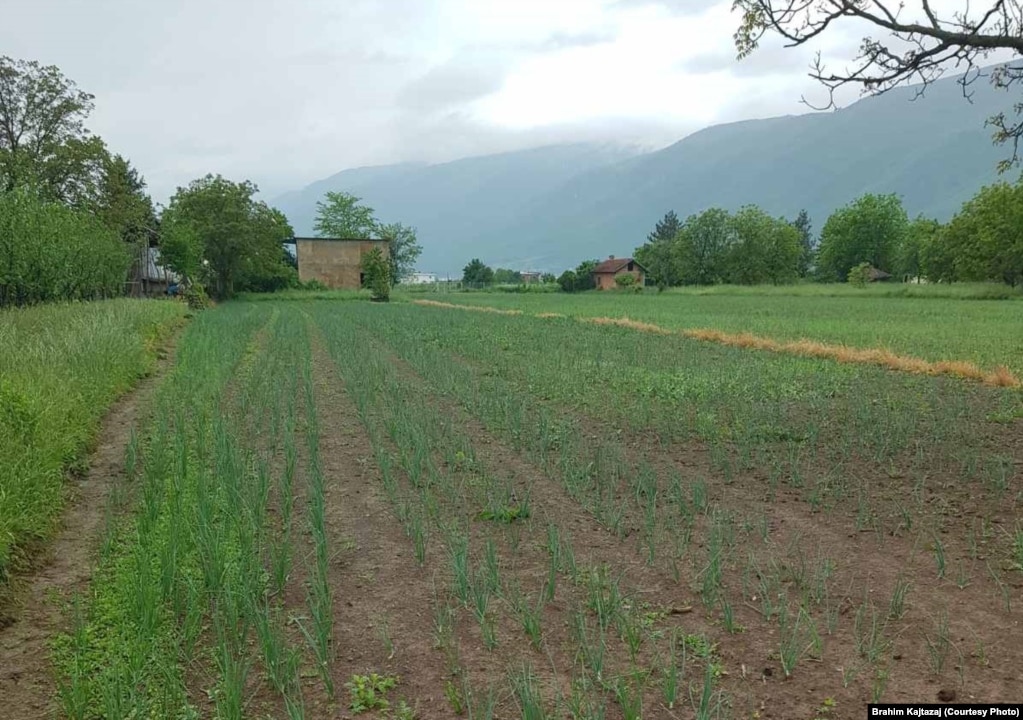
The farmer Brahim Kajtazaj from Dubrava Istog has more than 1.5 hectares of onions planted. He believes this year's final product will be sold from 50 cents per kilo.
Katizaj shows it is not difficult to cultivate, but the problem arises lack of workers because they are not interested in working in the agriculture sector.
“As coming from outside the price is high, as if our product is, the price falls to the ground”, he says.
Professor Imer Rusinovac considers that in the past two decades the agriculture sector has not been treated properly. Governments, he says, have not followed policies to sustain this sector.
The result is a lot of economic, organisational, technical, social and high unemployment rate”, he points to REL.
But officials from the Ministry of Agriculture, Forestry and Rural Development told Radio Free Europe that last year, 577 farmers, with over 402 hectares planted with onions, were subsidised. All of this, worth about 223 thousand euros.
This year, says the response, has just completed the application phase for the Direct Tax Programme, and according to initial reports, 635 farmers have applied for onions of about 470 hectares.
According to the Tax Programme, farmers will receive 500 euros for a hectare cultivated with this agricultural culture.