31 minutes ago
Kosovo soon joins International Commission on Missing Persons
Periskopi(3 years ago)
(3 years ago)Kosovo is soon expected to be joined by the International Commission for Missing Persons (ICMP) with headquarters in The Hague of the Netherlands, following the adoption of application by member states of this commission, says Framework Race, leader of the Government Commission for Missing Persons. Kosovo has been co-operating with this organisation since 2003 as it is now expected [...]
The race, in an interview, estimates that membership is great help for Kosovo in the process of whitewashing the fate of missing persons.
Kosovo is left to develop internal procedures, such as the adoption of a law and decree by President Vjosa Osmani, so that the country can even officially be considered part of this organisation. The government has adopted this bill until the same is expected to receive the approval of the Kosovo Assembly.
“Now we have the draft law approved by the Government is in the screening stages and I believe that very soon the necessary steps will be finalised and then followed. With the International Commission, we also have extraordinary co-operation in the process of identifying all major remains through scientific analysis. So, the International Commission from 2003 to this day is always in favour of citizens, but also of Kosovo institutions through the delivery of DNA services, to identify by scientific method the mortor remains or missing persons”, says Gara.
The race says that the country's accession to the International Commission on Missing Persons except that it will intensify this co-operation will also be an opportunity for exchange of experiences with other member states.
Kosovo's “accession to the International Commission, in addition to intensifying this co-operation, will certainly be an opportunity for exchange of experiences with other member states, but also an opportunity that Kosovo, now 24 years after the war, has created a genuine institutional infrastructure. Kosovo's engagement is always in an effort to make the first priority of learning the fate and whereabouts of missing persons, but certainly we will also be in favour of addressing other cases of missing persons as a result of wars in the former Yugoslavia. Given that even in the war in Bosnia and Croatia, we have Kosovo citizens missing as a result of the wartime circumstances, and part of the discussions are also”, says Gara.
However, benefits from membership are expected to be further.
“Vat contains five components, starting with the exchange of data, reviewing the exchange of experience and data in the attempt to identify unidentified mortar waste and to continue with trying to exchange information on access to locations, which are calling for common interest, as well as attempting more active involvement of households in the process and the latest that is more symbolic of nature, which is the effort to organise common homages or honours”, Garas shows.
The leader of the Government Commission for Missing Persons, Gara, says Kosovo will continue to play an active role in the regional process of finding people missing from the last war in Kosovo, but also those formerly in the former Yugoslavia.
The International Commission on Missing Persons is an international organization, but it is not part of the United Nations system.
The mandate of this commission is to provide the co-operation of governments and other authorities with the aim of whitewashing the fate of missing persons.
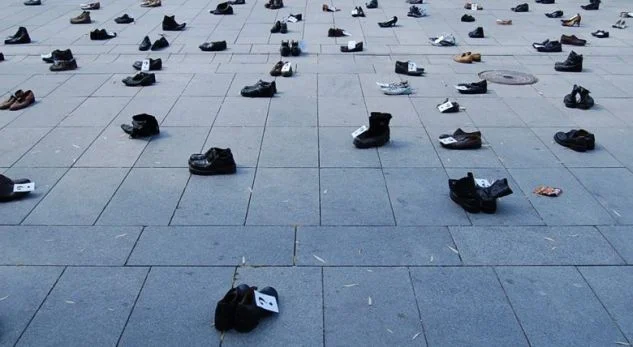
Over 13,000 civilians have been killed in the last war in Kosovo, and over 1600 people still result in extinction. / KP