13 minutes ago
International observers concerned by power stations in the election
Periskopi(3 years ago)
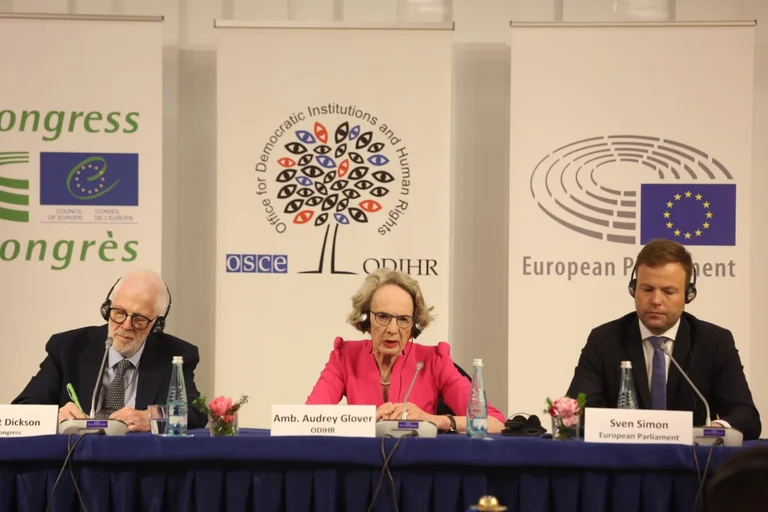
(3 years ago)The chief of the ODIHR mission, Audrey Glover, said the campaign was dominated by political leaders and that voter interest was taken into account, while expressing concern for allegations of the use of state resources, as well as the decline of media autonomy in campaign coverage. International Local Election Monitoring Mission 14 [...]
The chief of the ODIHR mission, Audrey Glover, said the campaign was dominated by political leaders and that voter interest was taken into account, while expressing concern for allegations of the use of state resources, as well as the decline of media autonomy in campaign coverage.
The International Election Monitoring Mission of May 14, 2023, emerged on Tuesday with a preliminary report of the findings for the election process, naming those elections dominated by political leaders and far from the real interest of voters in local problems.
“Fushata was dominated by party leaders taking into account the voter's interest,” said Ambassador Audrey Glover, chief of the ODIHR mission in Albania.
Glover added that “relatively campaigning and reflecting it did not focus on local issues” and that, according to it, “this focus damages the actual electors' ability to select”.
It considered the campaign politically polarised and singled out concerns about the use of state resources in the campaign.
“Issues of concern are claims of cases of state resource abuse, of pressure from administration employees and for sale of the vote,” said Glover.
Asked by BIRN about the use of administration and public resources for the party's campaign in the campaign, Glover said he hoped the CEC would take measures for cases of election law violations.
“About the use of power machines in the campaign, we were worried about situations and manipulations mentioned earlier, hopefully the CEC will do something about it, because it is that body responsible to ensure that the elections were made in accordance with the law,” said Glover.
The government's preliminary report to the observer mission highlighted the government's award for pensioners and made decisions on the eve of elections, as well as Prime Minister Edi Rama's statements on conditioning the government's future support for municipalities with the election results.
Glover also spoke of the media's role in the campaign's reflection, stressing that she did not report the elections but reflected the campaign through ready tapes of candidates and parties.
Their “Autonomia (Medias) has suffered a progressive decline due to the concentration of media ownership and control exercised by combined business and policy interests,” quoted in the media report.
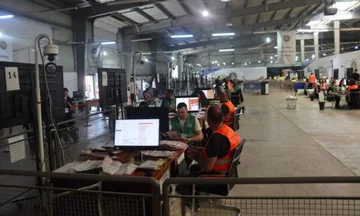
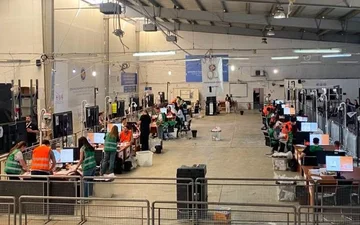
International observers have reported a calm day of voting in general, but for cases of pressure near polling stations and other problems related to the technical standards of the process.
“Monitors noted indications that voters were encouraged or forced to vote for a certain party, outside of the areas of 3 per cent of the surveyed centres and 11 per cent of them -- people who were not members of the CQV had not taken note of the voters,”, said the report.
Like Glover, the representative of the Congress of Local Authorities at the Council of Europe, Stewart Dickson and European Parliament representative Swan Simon agreed with the findings of the ODIHR mission and stressed that local elections do not offer platforms and debates among candidates for local problems related to voters, but a politically polarised campaign. /Reporter. al