11 minutes ago
How the Instagram Changed the Tourism Industry
Periskopi(3 years ago)
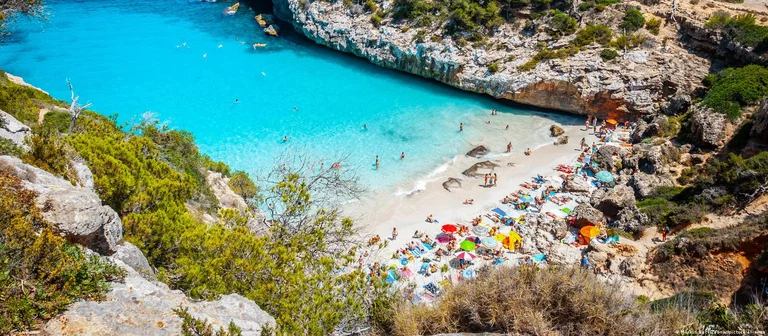
(3 years ago)Influences and hashtags in social media have changed holiday destinations and not always for the better. With weather heating on the Spanish island of Majorca, hundreds of tourists begin flocking to Calo des Moro beach every day. The rush to experience the famous beach is so furious that there is no room on the belt [...]
With weather heating on the Spanish island of Majorca, hundreds of tourists begin flocking to Calo des Moro beach every day. The rush to experience the famous beach is so intense that there is no room in the narrow strip of sand to lay a towel. Roads form as people wait for their turn to see the amazing blue waters, although very simply give up, not wanting to spend time in line.
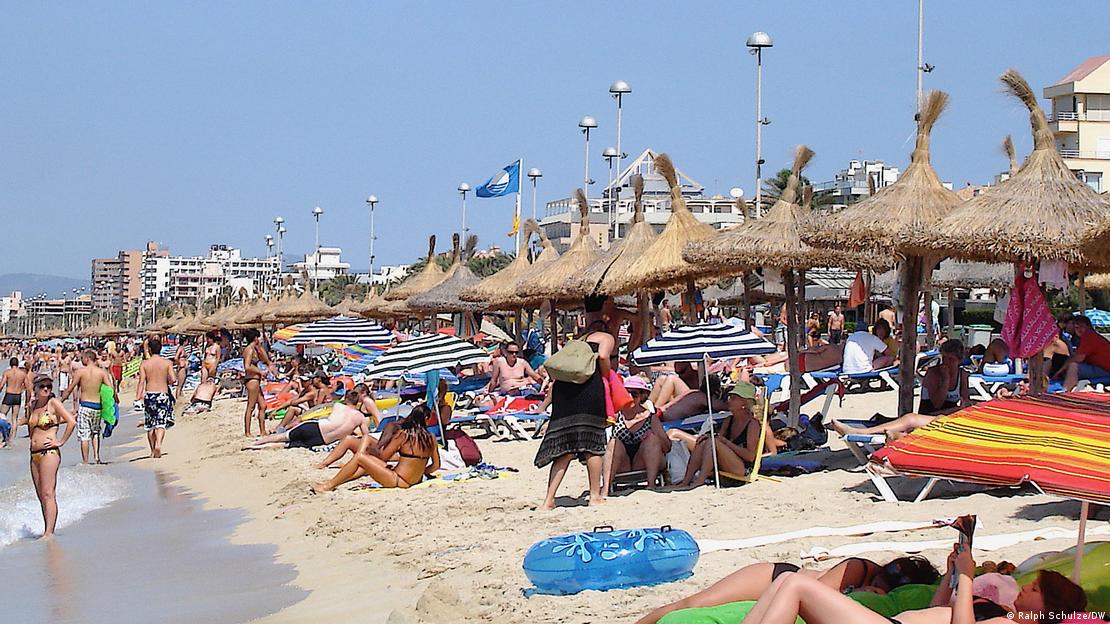
Overcrowded beaches are a common sight in Majka, one of the most popular holiday destinations in Europe. Callo des Moro, however, is an extreme case and many believe the Instagram is guilty. A search on the social media platform reveals tens of thousands of photos on which the beach looks desolate, with its blue waters blinding itself in the sun. An influencer in the Instagram would have no idea that reality is actually far from this peaceful scene.
In Search of the Perfect Photo of Rest
Since the beginning of the Instagram in 2010, the same phenomenon has shown up from time to time: Following the tracks of influences, tourists look for perfect vacation photos, flock to countries that were far less familiar than they are now.
Sometimes the consequences are drastic. For example, the Koenigbach Falls in the Berchtesgadner Land region of Bvari was forced to close for visitors, as the increasing number of daily travelers entering the area's natural pools threatened ecosystem balance.
Tourists have said in the polls that they are often encouraged to imitate photos in the Instagram, and the platform actually plays an important role in their decision either against a certain destination. The online travel agency Expedia, for example, found that 50% of people under the age of 40 use social media as a travel inspiration, preferring it to traditional channels such as TV shows or magazines.

Inspiring From Others
“Instagram undoubtedly serves as an inspirational source for vacationers”, says Mike Owens of the Academy of Social Media on Travel and Tourism in the Hesen region, Germany. She adds that the platform plays an important role, especially when people investigate destinations. Many today no longer use search machines like Google to find information about where to go on vacation, but instead they're looking for hashtags in Instagram. “This is where they look to see what they should do instead,” says Owens. “If you are not represented in the Instagram, you will not be discovered”. For tourism companies as well as destinations, there is basically no way out of the platform.
That's how the German Hotel and Restaurant Association (DEHOGA) sees it. “Communification aimed at specific targeted groups involving all necessary branches is more important today than ever before,” said a spokeswoman for the DW. She added that recommendations and holiday experiences of friends and acquaintances also have a major impact on deciding where you will go on vacation. It is no surprise that most tour operators and travel agencies use the Instagram to reach their customers.
An installation as a photo background
For us, the Instagram is an important channel of communication to give people the sense of travel,” says Michael Faber, who heads three travel agencies in Germany's Hunsueck and Mosel regions. His employees upload new photos every day and include very specific suggestions on where the next vacation might be, for example, at the Zillertal Valley in Tirol.
There, the five-star Stock Resort hotel has also long recognized the importance of the Instagram. He placed a giant iron sculpture of a pair of large arms on the roof of the hotel to encourage people to take pictures. The goal was to create a background that guests would be happy to take photos ahead; with the ultimate goal, of course, these photos would be distributed to Instagram”, says Barbara Mitterer of the hotel marketing department.
A little farther south on Italy's Lake Garda, Natasa Bontadi, responsible for the social media activities of the Garda Trentino Tourism Board, also uses the Instagram. Bontad uses the platform to promote people's curiosity about the region, she says, presenting little known facts for the region and posting pictures of fascinating sites and landscapes. We avoid talking about known areas that are already hot tourist spots. To that end, she said, they also work closely with the influencers to help convey the desired message.

The Great Power of Photos
Many destinations do not want mass tourism, but rather highly managed tourism,” says Julia Stubenböck, managing director of the tourist marketing agency Piroth Comunition in Munich, which plans social media-related activities for tourist destinations, among other things. “Image scope is enormous. You can explain something, but you can also show it.” This often works very well, she says, especially with the Instagram after being designed to share photographs. Social media platforms such as TikTok and Instagram have significantly increased marketing options targeting destinations and tourist companies. Some targeted groups, particularly Gen Z's millenniums and travelers, can simply be achieved much better with social media platforms.
Stubenböck doesn't believe people naively fall behind the highly decorated photos on the Instagram, believing their holidays will be just as perfect. In fact, she says the trend is actually going in a different direction and that <x0-sensity to the fact that you can't believe everything you see in the Instagram is growing”.
However, there is not much evidence of this in Majorca these days. Callo des Moro Beach is likely crowded with tourists again this summer. Anyone hoping to get the perfect picture in the Instagram there can just be disappointed. / DW