 2 hours ago
Serbia's parallel institutions operating freely in Kosovo
Periskopi(3 years ago)
(3 years ago)Thousands of Kosovo Serb citizens continue working at parallel institutions, financed and managed by the state of Serbia, since the post-war in 1999. Serbia shares tens of millions of euros each year. Towns, companies and public enterprises, nursery, elementary, high school, and public universities, financed directly by the Government of Serbia, have many cities [...]
Serbia shares tens of millions of euros each year.
The municipality, public companies and companies, nursery, elementary, high school, as well as public universities, financed directly by the Government of Serbia, has in many Kosovo cities, where members of the Serb community live.
These mechanisms, although illegal under Kosovo laws, have not stopped acting, despite Kosovo's proclamation of independence in 2008.
An agreement on their extinction was reached in April 2013, under the Kosovo-Serbia dialogue for normalisation of relations, but its full implementation on the ground leaves to be desired.
Part of the community is integrated into only a few institutions, such as the police or the judiciary.
In terms of dialogue, Kosovo and Serbia have also agreed on forming the Association of Serb majority municipalities, which would have “full jurisdiction” in specific areas, such as spatial planning, health, education, economic development and so on.
However, the Kosovo government has never implemented this agreement, with the argument that it could threaten the functioning of the state.
At a meeting in Ohrid on March 18th, Kosovo Prime Minister Albin Kurti, and Serbia's president, Aleksandar Vuciq, have agreed to implement a new agreement towards normalisation, supported by the European Union.
This agreement, among other things, envisions that the Serb community in Kosovo is provided a “level appropriately exclusive”.
Exactly what this is all about, is not yet known.
In a report before the Kosovo Assembly on March 23rd, Kurti said that “self-awareness is neither self-government nor self-management” and has added that it cannot avoid earlier agreements with Serbia.
The EU's special envoy for Kosovo-Serbia dialogue, Miroslav Lajcak, has said in an interview for Radio Free Europe that Kosovo has the obligation immediately to start implementing the part of the normalisation agreement, which relates to the formation of the majority Serb municipalities in Kosovo.
In an interview for REL, US Special Envoy for the Western Balkans Gabriel Escobar has said Serbia's parallel structures operating in Kosovo will be introduced into the Kosovo legal framework when it forms the association.
“ ... so they will not be led by Serbia, but by Kosovo, through Association”, Escobar has said.
But where are these structures located, and how do they function?
According to the Government of Serbia public data, on Kosovo territory, Serbia has over 20 active parallel municipalities.
Some of them have few staff, but the largest ones -- such as Pristina's parallel municipality with headquarters in Gracanica or parallel municipalities in the Serb majority north of Mitrovica, Zvecan, Leposaviq and Zubin Potok -- have greater staff and perform daily tasks, like official and legal municipalities created by Kosovo institutions.
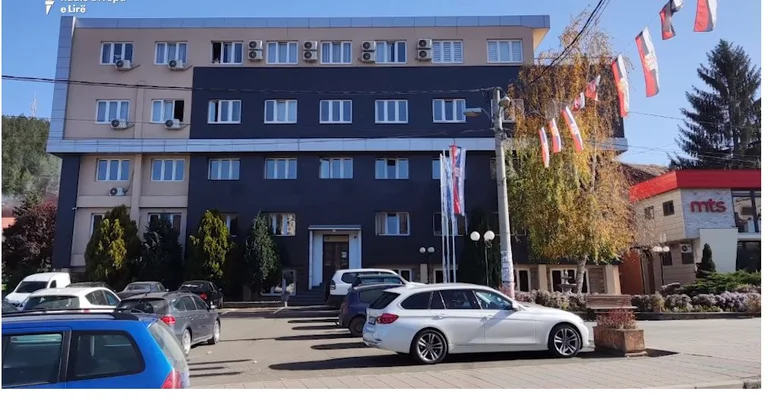
Since the Pristina parallel municipality is the largest in Kosovo, REL has visited its facility in Gracanica, but neither access nor photography was allowed.

Long ago, REL has also visited the Serb parallel municipality in Zvecan. It is in the same facility as the Zvecan municipality, created by Kosovo institutions.
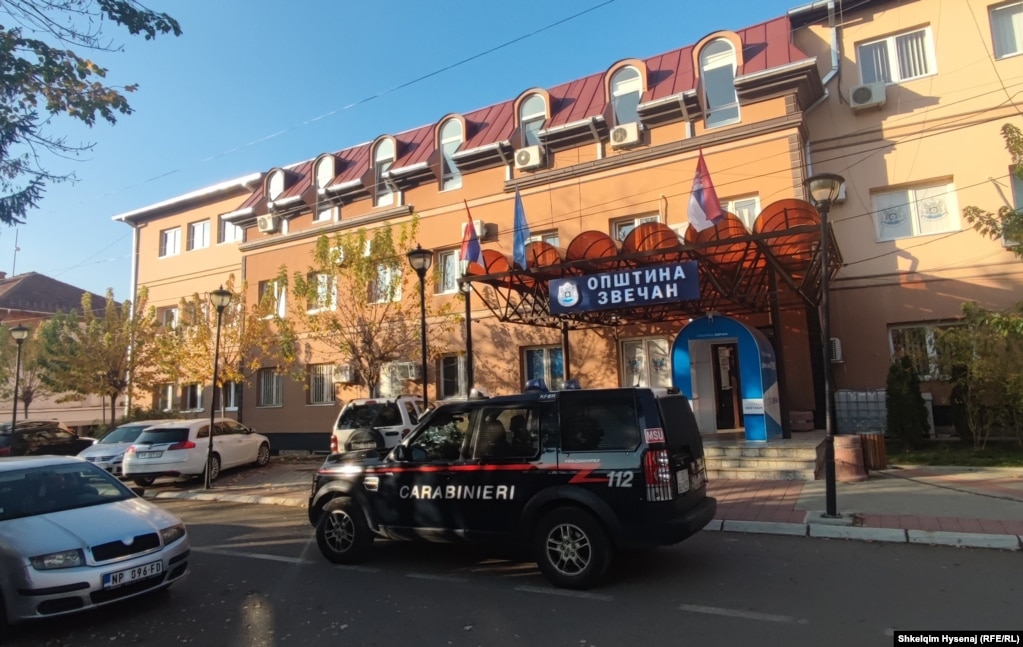
In some cases, Serbian chiefs and staff are the same as working for both the Kosovo system and Serbia.
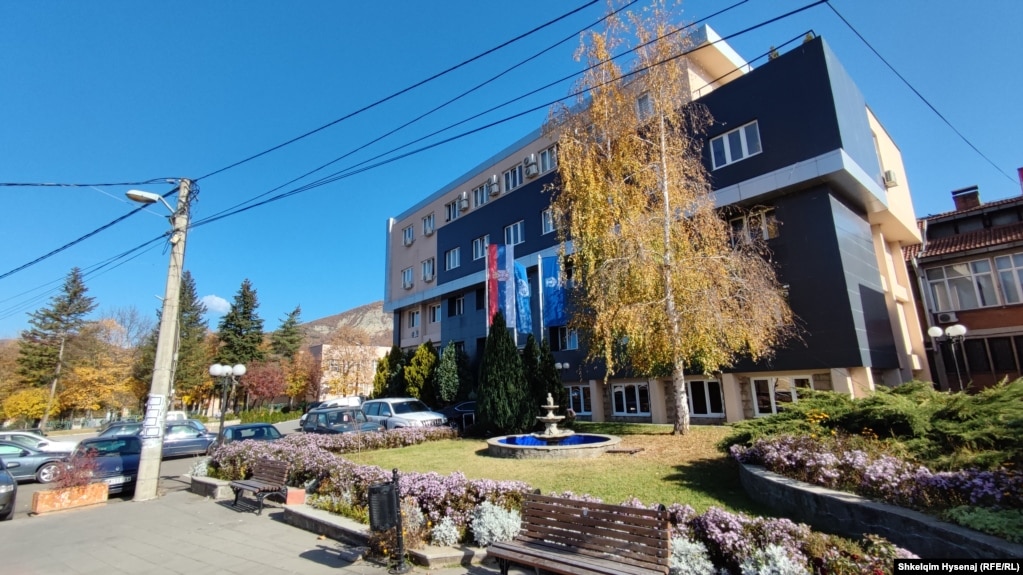
Serbia's government regularly names people in leading positions in its parallel municipalities in Kosovo.
These are some of the decisions signed by Serbian Prime Minister Anna Bernabiq, for the Pristina parallel municipality and the Suhareka municipality:

On July 23rd, 2021, the government of Serbia appointed leaders and members in these 16 parallel municipalities in Kosovo: Kacanik, Skenderaj, Fushe Kosovo, Shkure, Decani, Pristina, Dragash, Vushtrri, Istog, Peja, Gjakova, Rahovec, Zvecan, Suhareka, Leposaviq.
Over 70 Serbian schools in Kosovo
Since the end of the war of 1998-99 to this day, Serbia has preserved its educational system in Kosovo. More than 70 schools of all levels, managed and financed by Serbia, function on Kosovo territory.
They have their schedules. For example, a second-grade Serbian student learns from the same book as a second-grade student in Serbia.
Some efforts by Kosovo institutions to integrate these schools into the Kosovo education system have resulted in unsuccessful.
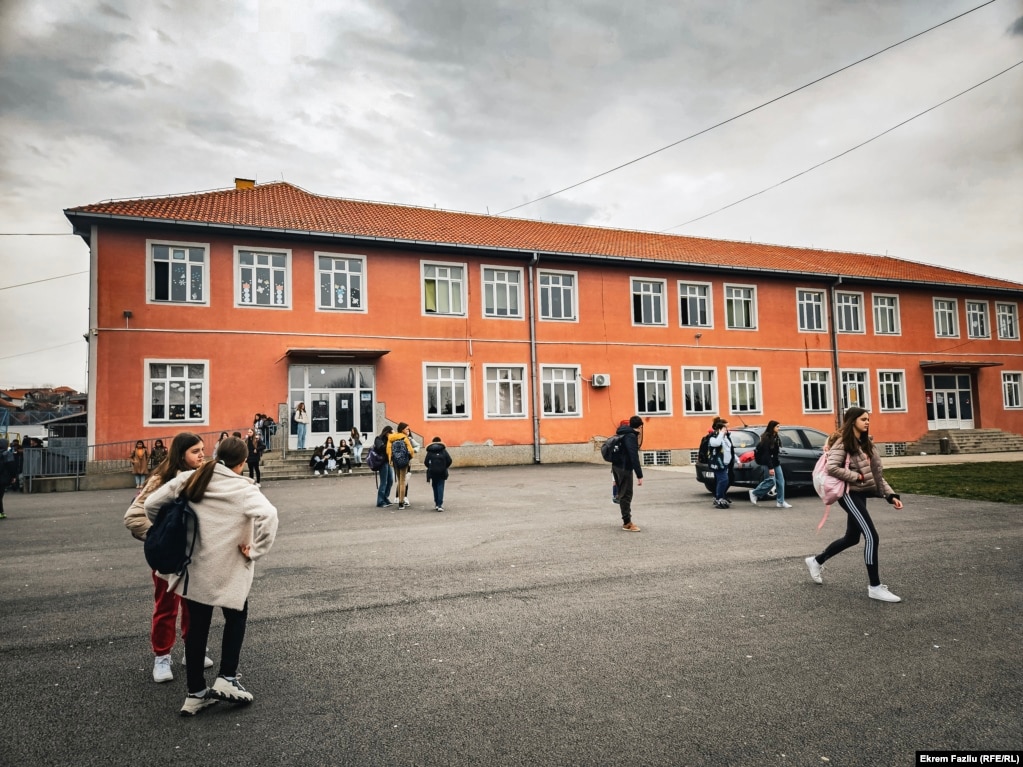
Serbia also heads universities in Kosovo. Pristina's parallel university is located in northern Mitrovica.
He holds no account for the state of Kosovo and has nothing to do with the education system in Kosovo. It is financed and managed by the Ministry of Education of the Republic of Serbia.
The exact number of education workers working in Serbia's parallel system in Kosovo is not public.
The parallel health system
Ambulance, hospitals and other health centres are financed and managed by the state of Serbia in different parts of Kosovo territory.
Family medicine centres live in most of the villages where the Serb community lives.
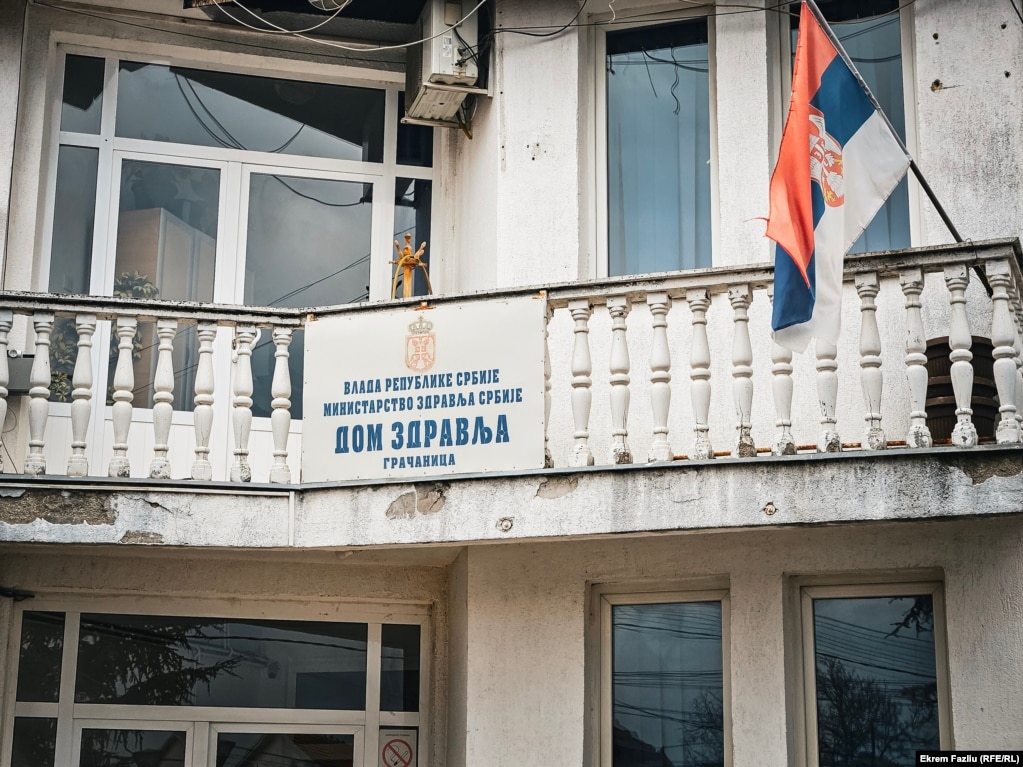
The largest hospitals financed and managed by Serbia are three: in northern Mitrovica, in Gracanica and in the village of Pasyan in Gjilan.
The exact number of health workers working in such institutions is not public.
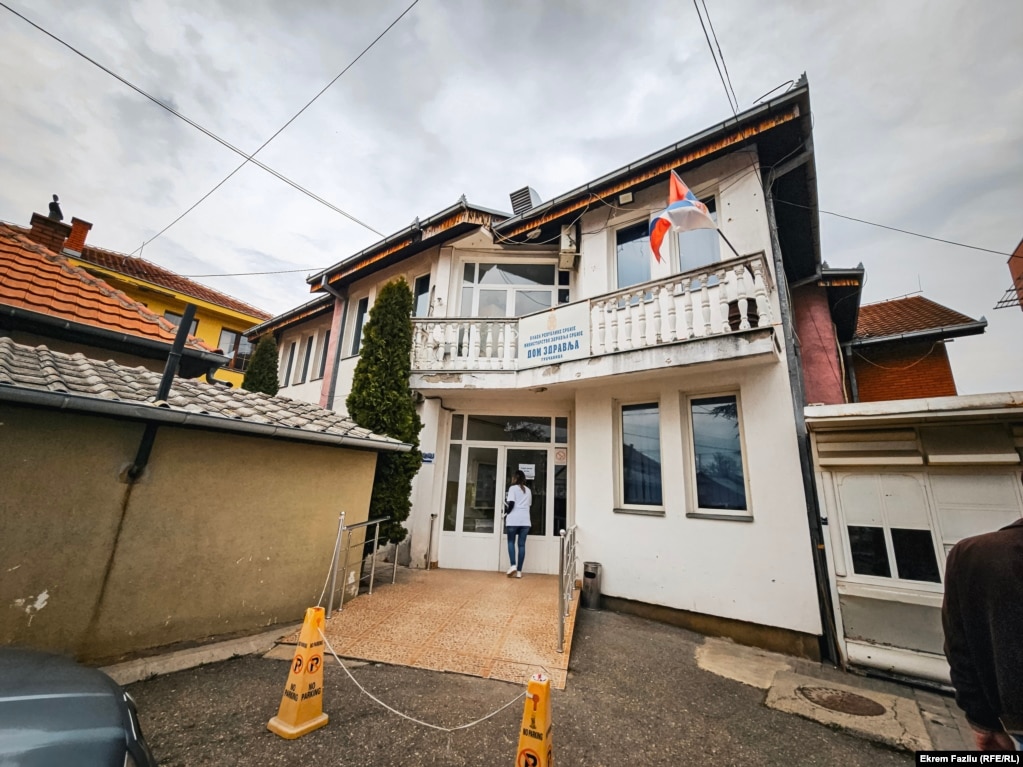
Offices for Employment, Pensions, and Health Insurance
Serbia also keeps a large number of employment offices in Kosovo active.
One is in Gracanica, where on March 21, there were numerous citizens who received services.
Such parallel offices operate in other Kosovo cities, but the most active are those in northern municipalities: Northern Mitrovica, Zvecan, Zubin Potok and Leposaviq.
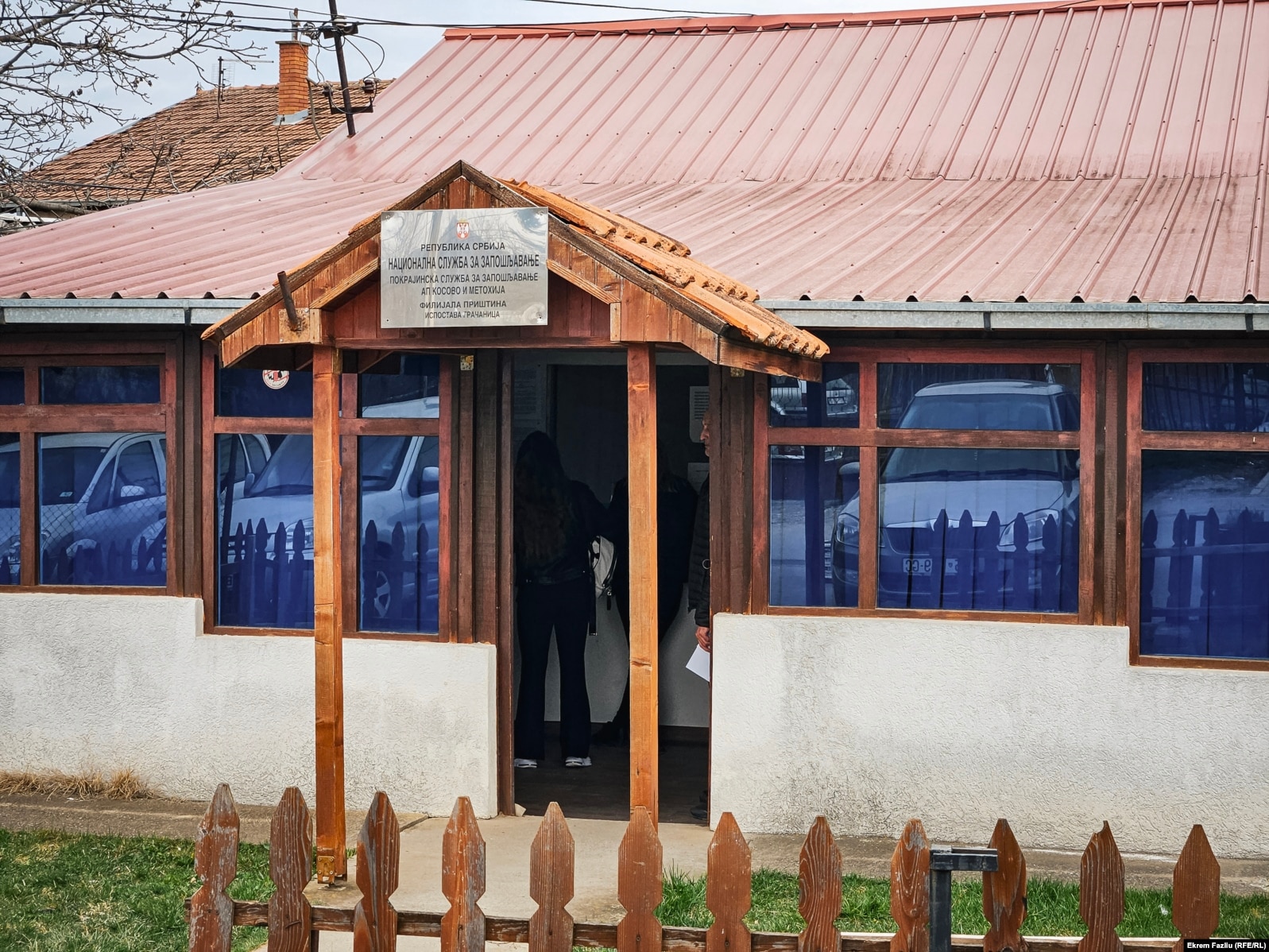
The object's entry board says: National Centre for Employment, District Office for Employment, Kosovo and Metohija, Pristina branch.
In Gracanica and other Serb-run municipalities also function, the Republic of Serbia's retirement offices.
Serbia also has health insurance offices in Kosovo, as every Kosovo Serb, according to laws in Serbia, has the right to health insurance.
Serbia's post office functional in Kosovo
The activity of Serbia's Post is not very obvious in Kosovo, but ahead of its facility in Gracanica are seen in dozens of parked cars of this parallel institution.
Serbia's post also functions without the reconciliation of Kosovo institutions.
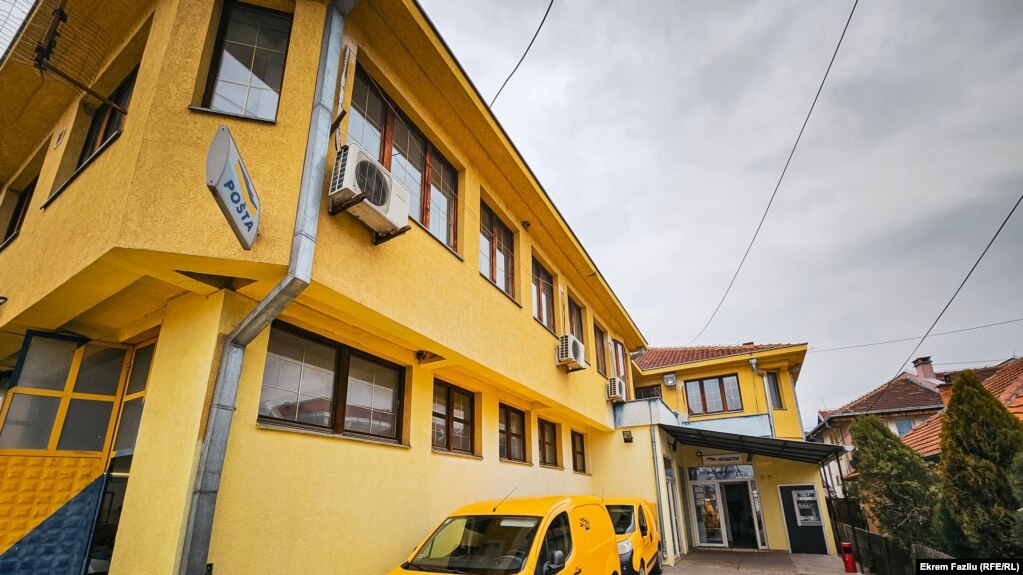
Serbia's parallel mail in Kosovo
A parallel culture system
Various cultural centres, libraries and libraries are numerous in locations where most residents are Serbs.
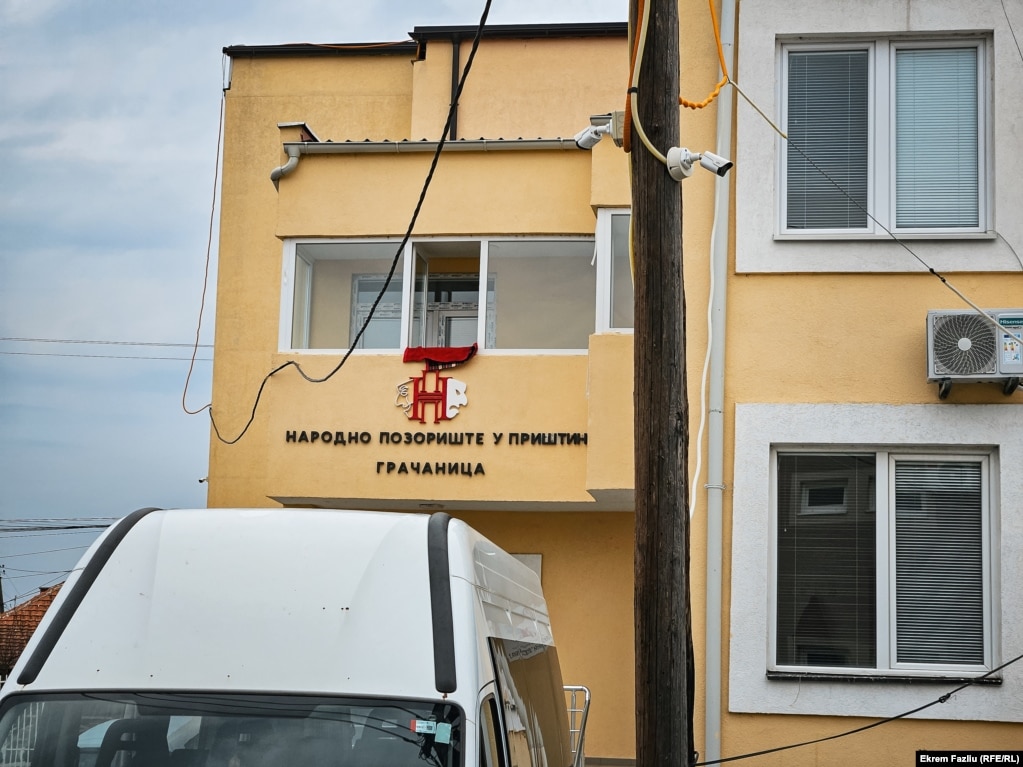
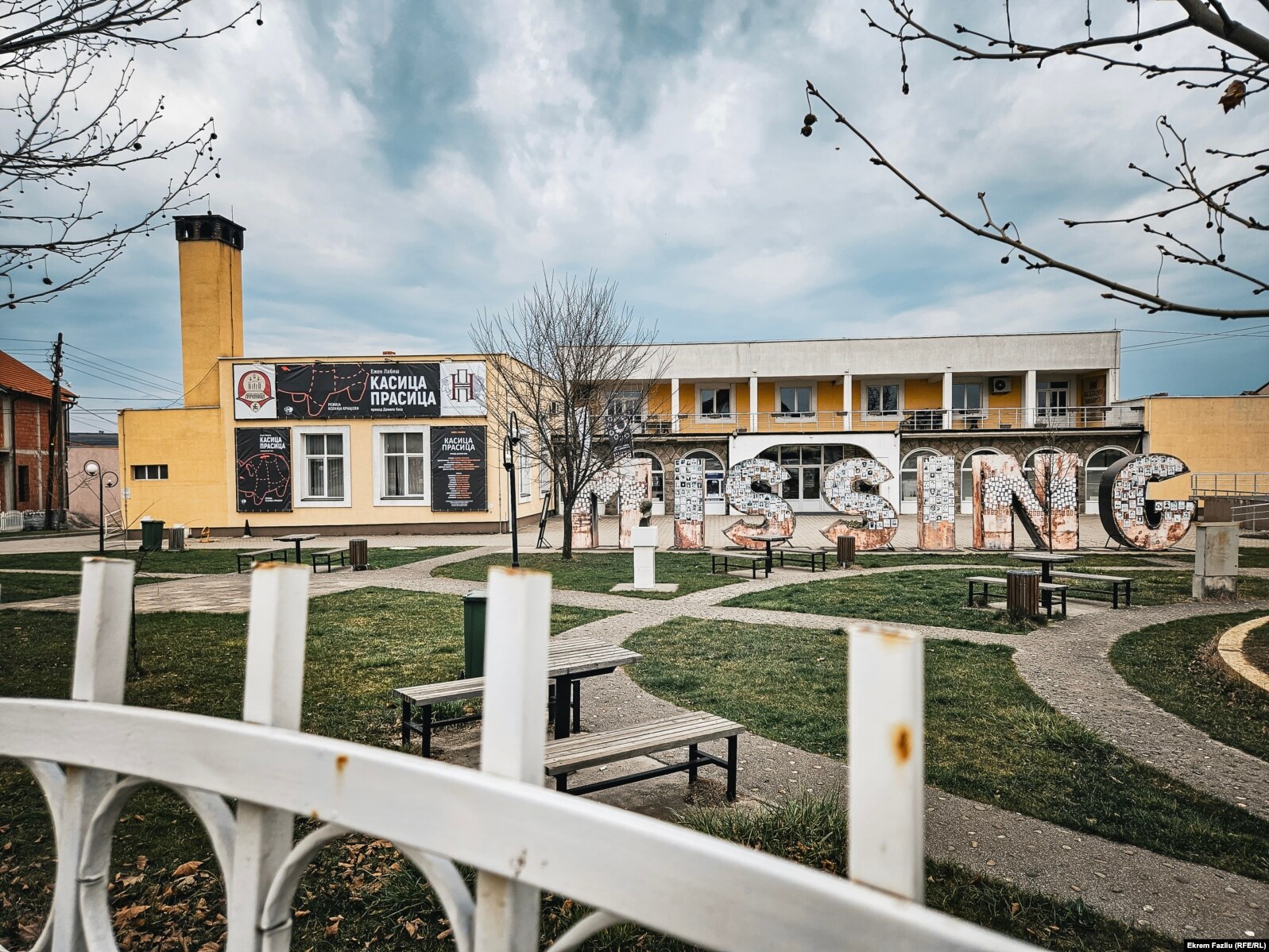
In Gracanica, the Pristina People's Theatre works -- the parallel institution funded and managed by Serbia's institutions.
At the same facility is the Gracanica Cultural Centre, which is similarly managed and financed by Serbia.
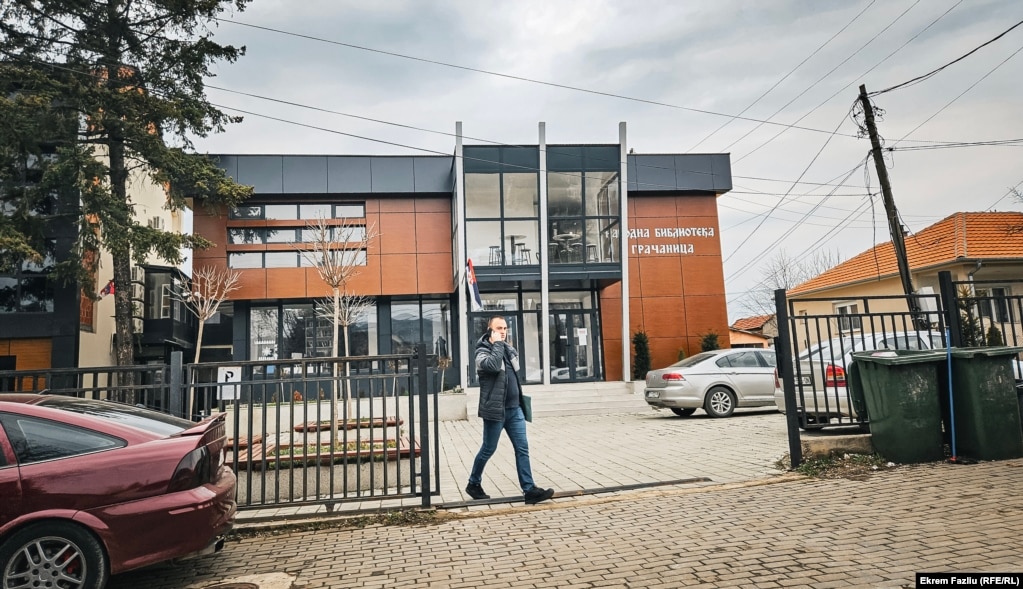
The National Library of Serbia is also found in Gracanica.
In the municipality of northern Mitrovica, they are functional: The city library “Vuk Karadzic”, City Museum, City Museum, Cultural Centre “Dradica Zharkovic” all parallel institutions.
Serbia's Red Cross operates there as well.
parallel sport
Many sports clubs from majority Serb municipalities in Kosovo compete in Serbia's state-run competitions.
In northern Mitrovica alone are some clubs that are not part of the leagues or the Kosovo system, such as: The football club “
Such clubs are also in Leposavic, Zvecan, Zubin Potok, but also in other Serb-run municipalities in the southern part of Kosovo.
Serbia Keeps Active Even Public Companies
Various Serbian public companies and companies are also active on Kosovo's territory. Some of them working on regular grounds are: The North Mitrovica-based Directorate for Binary Space and Afarist, the North Mitrovica-based Directorate for Construction Land and the North Mitrovica-based Road, and the public irrigation company “Ibri”, also based in North Mitrovica.
The websites of these companies view their activities, including road construction, maintenance, damage repair and other damage.
The websites of some of these companies where their activity can be seen: http://kosmivica.rs/,http://stambenokm.rs/.
Integrated Again
With agreements reached within the dialogue on normalising relations, Kosovo and Serbia have agreed to integrate several Serb parallel structures within Kosovo's legal and constitutional system.
Over 700 people who worked in the organisation “Civil Protection”, which has operated in municipalities in the north, have been integrated into Kosovo institutions in 2016.
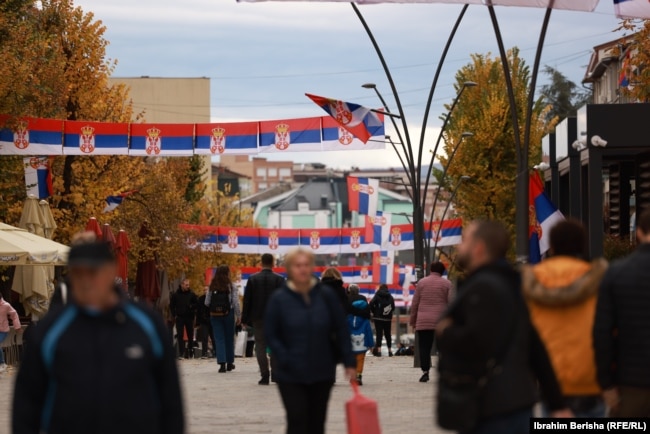
For this organisation there have been various perceptions of Kosovo institutions, it has been designated an illegal paramilitary structure, while for Serbs it has been the facility for providing aid to civilians in emergency cases.
Most members of this facility have integrated into the Kosovo Police.
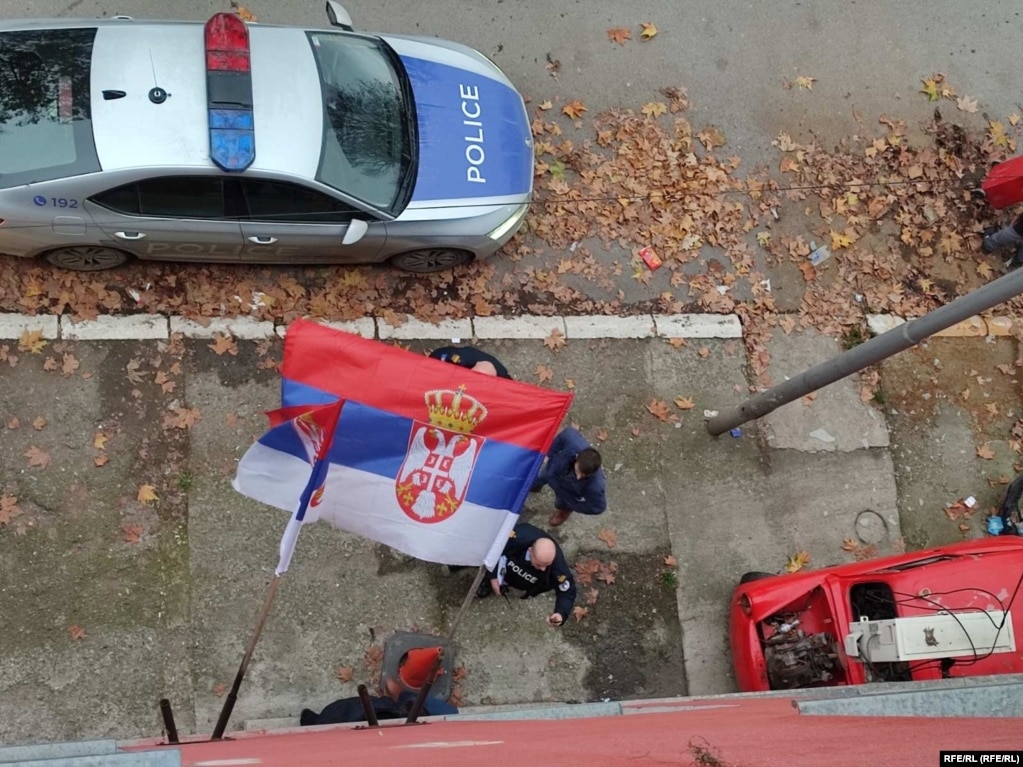
In November last year, members of the Serb community in the north have resigned from all Kosovo institutions, as a sign of opposition to a Kosovo government decision to reregister Serbian license plates on license plates RKS, or Republic of Kosovo.











