4 minutes ago
Kosovo oil prices fall, other products continue to be expensive
Periskopi(3 years ago)
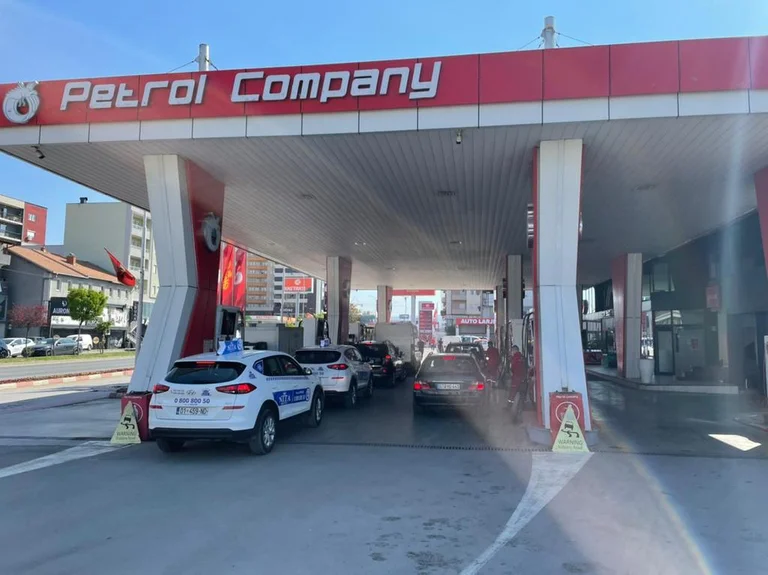
(3 years ago)Oil and gasoline prices in Kosovo have been released, but not at other products or services. They have dropped for about 40 cents, respectively, 15 cents compared to last August, when they were at their peak. Hoov has given them market disorders that have caused Russia's war in Ukraine. [...]
They have dropped for about 40 cents, respectively, 15 cents compared to last August, when they were at their peak.
Hoov has given them market disorders that have caused Russia's war in Ukraine.
The extension, then, has caused the chain effect ʹ prices of many consumer and service products have increased.
Elizabeth from Istog pays 5 euros in bus fare to Pristina, where she studies.
Until last summer, the price for this 78km resolution has been 4 euros.
Despite the release of oil, the price of the bus ticket has remained the same, says Elizabeth, who travels three times a week.
For students, the price is unaffordable. I don't work, my parents finance me. This is a burden to them because they have other expenses”, Elizabeth tells Free Europe Radio.
Likewise, the Gjakova prize in Pristina is 10 euros per return.
Fiona Soti, a master-level student in Pristina, says she has to travel once a week to this relationship and considers it destiny.
Last year, when I was a high-level student, It has been a huge burden for parents, since at the same time, brothers and sisters” have also studied, Fiona tells Radio Free Europe.
Kosovo has closed 2022 with an average inflation rate of over 12 percent and an average salary of about 480 euros.
Kosovo's Road Transport Association says ticket prices do not only affect the price of oil. According to the chairman of the association, Jakup Berisha, bus equipment and maintenance have been significantly expensive.
“... then the salary affects. A driver who in this period last year had 400 euros in pay currently has 600 euros, or even 50 percent more”, Berisha says.
Prices of consumer products have remained, too, without change. In some cases, they have continued to grow despite the release of oil, which is the basic component of transportation.
Teuta, a public sector employee in Pristina, says the price burden is going heavy.
“Decent notes too much. We've been out in restaurants before, now we're out less often. We buy elementary articles because they're necessary, but some things have had to limit”, Teuta says.
Improval of inflation is expected
Visar Ymer, executive director of the Institute for Social Policy “Musine Koklari” in Pristina, says inflation stabilisation is expected this year.
“means inflation will be lower than it was last year, but not necessarily there will be price cuts. Stabilizing prices may now be at the level that is now”, Ymer says of Radio Free Europe.
According to him, the only solution is to adjust wages at prices.
In early February, the new Law on Salaries has entered into force in Kosovo, which has brought growth to nearly all public sector employees. Authorities have said that by this law, the average salary will reach up to 730 euros.
Kosovo Central Bank Governor Fehmi Mehmeti has warned in an interview given Radio Free Europe in January that inflation will decline in the second half of this year.