2 hours ago
Daciq: Implementation of the Ohrid Agreement, by “red lines”
Periskopi(3 years ago)
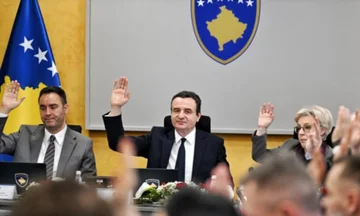
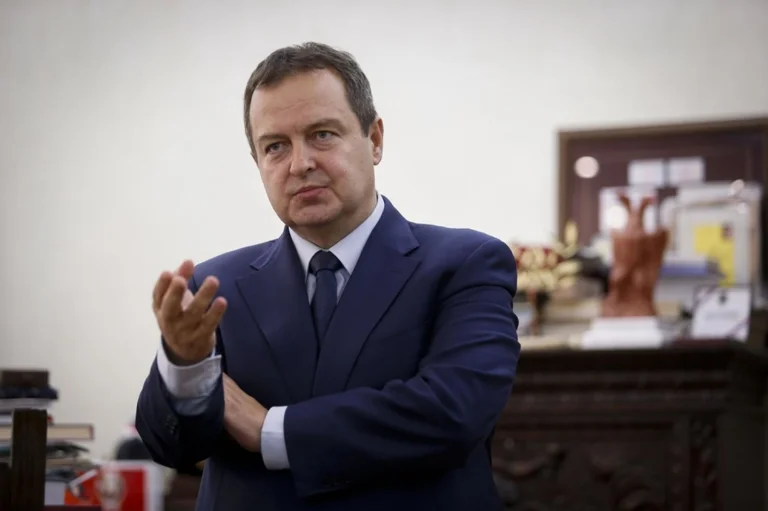
(3 years ago)Serbia's Foreign Minister, Ivica Dacic, has said his country is willing to implement the agreement reached with Kosovo in Ohrid, but by the red lines. Kosovo Prime Minister Albin Kurti and Serbian President Aleksandar Vuciq have reached compliance on March 18th in Ohrid for implementing the agreement towards normalisation. [...]
Kosovo Prime Minister Albin Kurti and Serbian President Aleksandar Vuciq have reached compliance on March 18th in Ohrid for implementing the agreement towards normalising relations between the two countries.
The 11-mother agreement, made public on February 27th, does not force Serbia to recognise Kosovo, but requires both countries to accept each other's documents and symbols, including passports, diplomas and license plates, the REL writes.
It also requires that the parties implement all agreements reached so far in the dialogue on normalising relations, including that of forming the majority Serb municipalities in Kosovo, which the government in Pristina has so far refused, with the argument that it could jeopardise the functionality of the state.
Our red lines, which we disagree with include mutual recognition: non-recognition of Kosovo and no membership of Kosovo in the United Nations”, Dacicic said in Brussels, where he participated in a donor fund collection conference following the earthquake that hit Turkey and Syria last month.
The chief of Serbian diplomacy has said that Serbian national interests have been preserved in Ohrid.
According to him, forming the Association of Serb majority municipalities in Kosovo would be legally binding for Pristina.
The process of dialogue, according to him, is only in the direction of normalisation of relations and nothing more than that.
I think it's a continuation of what we started about 10 years ago, and in this regard, it is very important to know that this is an agreement for further steps on normalising relations, and not on status issues”, it is expressed.
Asked by journalists whether to allow the formation of the Serb majority municipalities, Kosovo Prime Minister Albin Kurti, has said on March 18th that it is up to “an adequate level of self-awareness of the Serbian community” and “for self-rule”.
Kosovo and Serbia have reached agreement on Association in 2013 and later 2015 on principles for its establishment.
But in 2015, the Constitutional Court of Kosovo has found that the agreement is not in full harmony with the Constitution.
Serbia wants Kosovo to implement the agreements reached, but the Kosovo government has been declared against a single-ethnic association.
The European top diplomat, Josep Borrell, has told EU ministers Monday that it is urgent that Kosovo establish the Association of Serb majority municipalities, while the reconciliation reached in Ohrid has called it a “status new quo“in dialogue.
With EU mediation and US support, Kosovo and Serbia have been in negotiations for normalising relations since 2011.
They have reached dozens of agreements, but most of them have not been implemented and parties have blamed each other for the impasse.