 4 hours ago
Bank of Albania raises basic interest rate to 3%
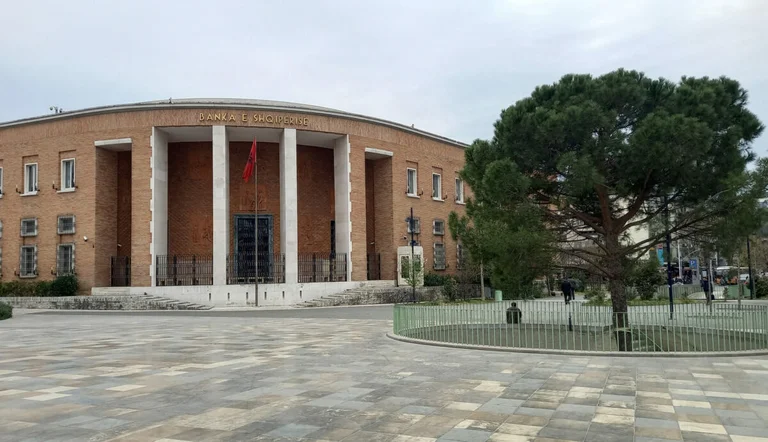
Periskopi(3 years ago)
(3 years ago)The Bank of Albania's Supervisor Council decided today to raise the basic interest rate by 0.05 percentage points, returning to monetary normalisation after a nearly four-month pause. The basic interest rate has reached 3%, the highest level since late 2013. Governor Gent Sejko said that although inflation has [...]
The basic interest rate has reached 3%, the highest level since late 2013. The governor, Gent Sejko, said that although inflation has continued to decline in recent months, inflationary pressures remain high, referring particularly to record levels of basic inflation and signals from the labour market.
The Supervisor Council ruled that the high inflationary pressures stemming from the internal environment are an important risk factor, first, for respecting the price stability objective and, further, for the country's sustainable and long-term growth. Under these circumstances, he deemed it necessary to reduce monetary stimuli through the growth of the basic interest rate. The Supervising Council notes that this move is in line with our previous communications and consistent with the recent movements of the main central banks,” said Sejko.
He added that the Albanian economy has continued to grow in the fourth quarter of last year and the first quarter of the current year. The increase in aggregate demand is based on increased household consumption, private and public investment, as well as exports of utility goods. This dynamic is supported by increasing available income, by improving business and family trust, by sound private sector balances, as well as by still stimulating financial conditions.
According to the Bank of Albania's analysis, the rapid and sustainable expansion of aggregate demand has brought about an ever higher exploitation of Albanian economy production capacities.
Our “assessments suggest that aggregate demand for goods and services has marked a faster rise than the production potential of the Albanian economy. This conclusion is reflected in historically high rates of private sector capacity exploitation, by continued employment growth, from decline to minimum historical unemployment rate, as well as rapid wage growth in the private sector.
In particular, the average salary in the private sector expanded by about 14% in annual terms during the last quarter of last year. This increase has supported expanding the available income of Albanian households, fuelled the expansion of household consumption, and helped sustain economic growth. On the other hand, however, it has increased business production costs and facilitated conveying prices from foreign markets to the domestic economy,” said the governor.
According to the Supervisor Council, inflation is expected to mark gradual decline during the next quarter and turn into an objective during the middle of next year. Similarly, economic growth is expected to stay in positive territory, although the pace of growth is projected to mark a slight slowdown during the current year.











