11 hours ago
The Nine Most Common Symptoms of the Brain
Periskopi(3 years ago)
(3 years ago)There are two major types of brain tumors, with non-canceptrogen tumors growing slower and less likely to return after treatment. The cancerous tumors of the brain can begin either to the brain or to spread elsewhere in the body and are more likely to return. And their cause is [...]
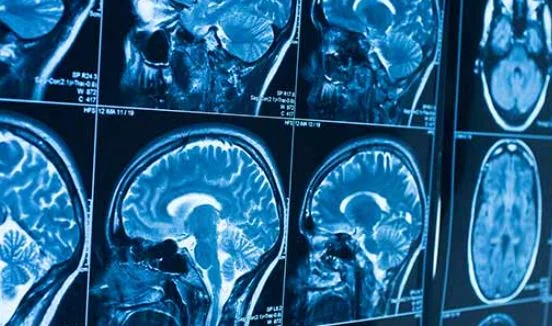
There are two major types of brain tumors, with non-canceptrogen tumors growing slower and less likely to return after treatment.
The cancerous tumors of the brain can begin either to the brain or to spread elsewhere in the body and are more likely to return.
While the cause is unknown, you may be more at risk as you age, with most brain tumors occurring in adults aged 85 to 89, even though some species are more common among children.
Radiation exposure from radio therapy, CT scans or head X rays could also increase the risk in rare cases, writes The Sun, broadcast Klankosova.tv.
The genetic conditions of family history such as tuberculosis sclerosis, neurofibromosis and Turner syndrome can also increase prospects.
As for treatment, treatment depends on the type of tumor, where it is in the brain, how large and how widespread, as well as your overall health and finance.
Brain tumors can cause headaches, concessions, nausea, vomiting and memory problems, according to the NHS.
If you suffer any of these symptoms, especially a headache that is different from what you usually have, you should visit your general physician, says the health service.
These are the nine most common symptoms of a brain tumor:
- Headache,
- Convolitions,
- You feel sick.
- You're sick.
- Problem with memory,
- Changing personality,
- A weakness or paralysis on one side of the body,
-Problem with sight,
- Speech problems.