11 hours ago
Blood tests indicate whether organs age rapidly or slowly
Periskopi(3 years ago)
(3 years ago)Scientists believe that they can run blood tests to check how quickly a person's internal organs age and even predict which ones may soon fail. Stanford University team says they can monitor 11 major parts of the body, including the heart, brain and lungs. [...]
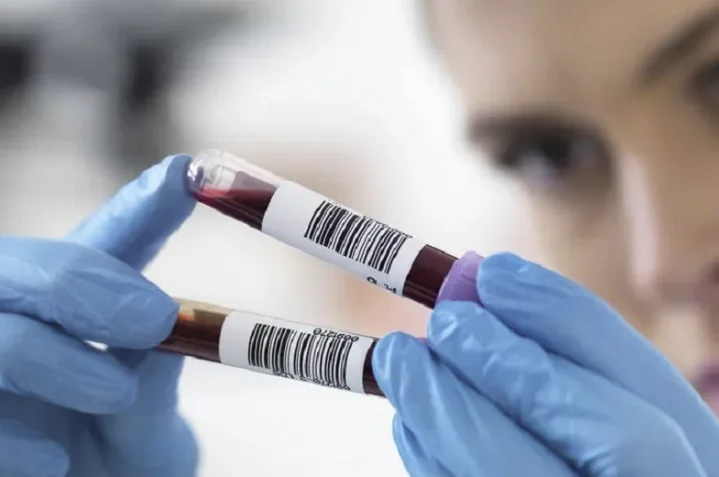
Scientists believe that they can run blood tests to check how quickly a person's internal organs age and even predict which ones may soon fail.
Stanford University team says they can monitor 11 major parts of the body, including the heart, brain and lungs.
They experienced this in thousands of adults, mainly middle - aged or older.
One in five very healthy adults over 50 years of age may have at least one organ that is rapidly aging, the results suggest.
And one to two out of every 100 can have some organs that result older than their birthday years.
Knowing what organs are older can help to reveal the health problems that may arise, says researchers in Nature magazine.
For example, an old “heart for its time” increases the risk of heart failure, while a brain that ages rapidly may be more prone to degeneracy, the BBC writes.
In the study, the rapid aging of one or more organs was linked to a higher risk of certain diseases and death over the next 15 years.