5 minutes ago
Germany with new proposals for EU enlargement: How will Kosovo benefit?
Periskopi(3 years ago)
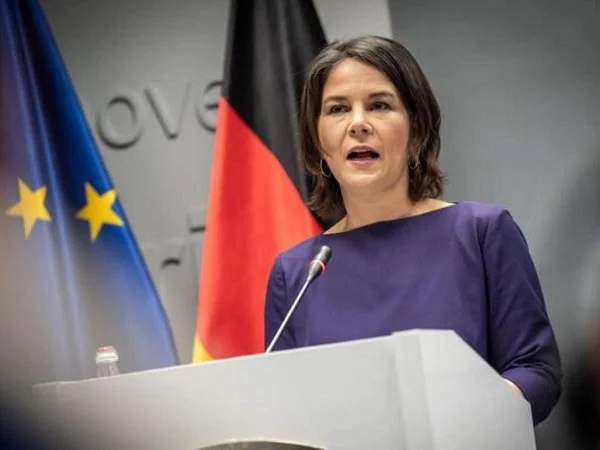
(3 years ago)Germany has proposed a detailed and innovative guide to expand the European Union. This guide would provide candidate countries with early benefits, including observer status at leaders' summits in Brussels ahead of full membership. German Foreign Minister Annalena Baerbock's proposals constitute an offer for the integration of candidate countries [...]
Germany has proposed a detailed and innovative guide to expand the European Union.
This guide would provide candidate countries with early benefits, including observer status at leaders' summits in Brussels ahead of full membership.
German Foreign Minister Annalena Baerbock's proposals constitute an offer for the integration of candidate countries in the EU sections long before the technical negotiations for membership end, which may drag on for years.
And, in a major political gesture aimed at removing part of the power game from the enlargement debate, she said Germany would even be willing to give up its guaranteed post of European commissioner to leave room for new arrivals.
“We need to ask ourselves how we can make sure that the membership process is carried out in a way that avoids leaving a generation in the waiting room with the European Union for the rest of their lives”, she said.
Ukraine and Moldova increased last summer in the order of official candidates that included: Albania, Serbia, Kosovo, Turkey, Montenegro, Northern Macedonia and Bosnia and Herzegovina, with Georgia in the active application process.
Next week, a key Union report on their progress will be published, with a decision on official negotiations expected in December.
Baerbook's speech focused on how to unblock the accession process, which she said had become a banned “theme for several countries due to concerns about the extended budget, parliament size and decision in a 35-nation bloc.
Speaking at a conference in Berlin she suggested that candidate countries be given an opportunity for more active EU participation.
“What may appear to be a small gesture or small thing can have a big effect”.
“Why do we, for example, not invite those countries that have finalised individual chapters in the membership procedure to attend the council's respective meetings as observers? We would have them there, for example, when we decided on our common future instead of inviting them only once a year to hear the commission's progress reports”.
According to her, “we need to make sure that people in these countries, especially young people, have an opportunity to participate in the advantages of the European Union at an early stage, even before their country becomes a full member even here”.
Ministers from 15 countries, including member states, participated in the conference, shed new light on their disappointments.
Ukraine's Foreign Minister, Dmytro Kuleba, said “Ukraine had helped the EU exit its enlargement coma”, but was afraid Brussels would end up being tracked by internal disputes over budgets, the number of jobs that would be lost to the commission, or the number of countries would have to resign to parliament.
On the other hand, Northern Macedonia Foreign Minister Bujar Osmani said at the conference that his country, which is expected nearly 20 years to join the EU, had experienced all “shortcomings of the membership process.
The problem was “the EU's focus on formal membership itself” and fears that more countries would gain veto rights for policies in certain areas