an hour ago
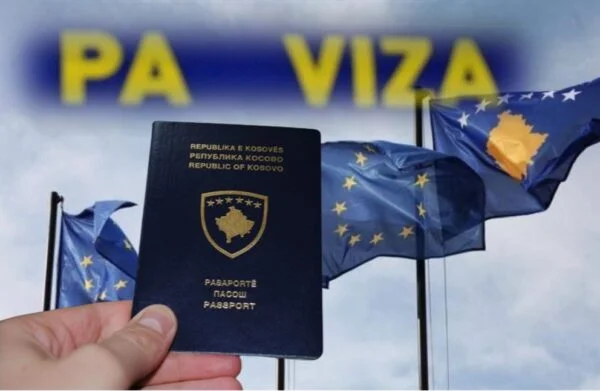
Citizens' interest in passports increased six weeks before visa liberalisation
Periskopi(3 years ago)
(3 years ago)In the past month, the number of citizens who have expressed interest in being equipped with passports has increased. That is because on January 1st of next year, Kosovo citizens can move without visas to the Schengen area. The demand for passports has also been raised by citizens of the northern part of the country. Number [...]
In the past month, the number of citizens who have expressed interest in being equipped with passports has increased. That is because on January 1st of next year, Kosovo citizens can move without visas to the Schengen area. The demand for passports has also been raised by citizens of the northern part of the country.
The total number of passports issued in the four northern municipalities is 5 thousand 800.
The deputy director general of the Civil Recording Agency, Blerim Camaj, in an interview for Kosova Prees, has indicated that the number of passports applicants in Kosovo has seen significant increases.
While, for citizens in the north, Camaj stresses that a thousand people have applied more for passports, compared to last year 2022.
Camaj stressed that citizens' interest in passports has to do directly with visa liberalisation envisioned to begin on 1 January next year.
Camaj announced that in the last month, 25 thousand and 126 citizens were equipped with passports, marking an increase of 7 thousand and 300 compared to last year.
Camaj also said that the Civil Recording Agency has enough material to address this increase in demand and that they are prepared to serve citizens within the time term and in accordance with the law.
Meanwhile, in four northern municipalities in the country, the figures show that about five thousand passports have been issued for citizens. According to him, however, requirements continue to increase ) stressing the need for an effective response from competent institutions”.
On April 18th of this year, the European Parliament approved the decision for Kosovo citizens to move free to EU countries from January 1st to 2024.