2 hours ago
Sarrazine: Scholz believes with heart that the Western Balkans have the future in the EU, sė makes for political gain
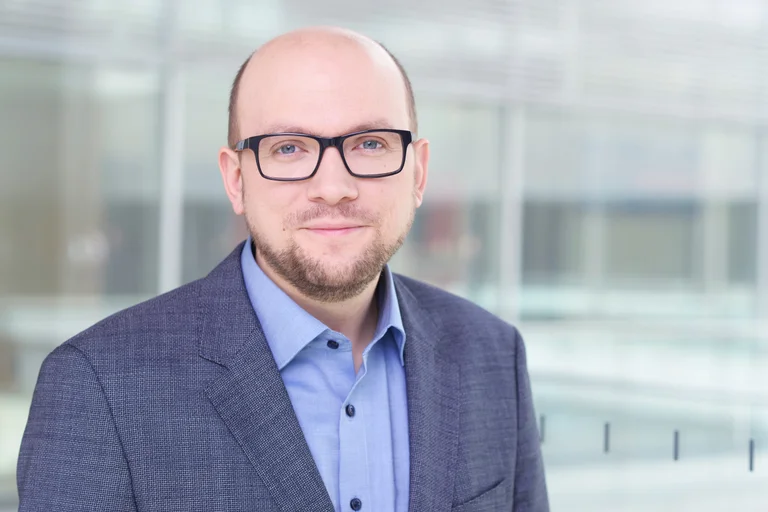
Periskopi(3 years ago)
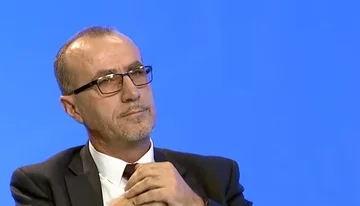
(3 years ago)Germany's special envoy for the Western Balkans, Manuel Sarrazin, has talked about the process of expanding the European Union and the challenges facing Western Balkan countries. As Tirana hosted the Berlin Process Foreign Ministers Ministers' Ministers ministerial Ministers, this meeting that precedes the Berlin Process Summit on October 16th, Sarrazin [...]
Germany's special envoy for the Western Balkans, Manuel Sarrazin, has talked about the process of expanding the European Union and the challenges facing Western Balkan countries.
As Tirana hosted the Berlin Process Foreign Ministers' Ministers Ministers' Ministers, this meeting that preceded the Berlin Process Summit on October 16th, Sarrazin spoke at the postcast “Public Square” of Ditmir Busati on this topic.
For Manuel Sarrazin, the Berlin Process has produced some concrete results for Western Balkan countries, even though they are often underestimated.
“has a historic chance of finally seeing that the Berlin Process can be a very powerful instrument in terms of contributing to the European perspective. But let's put it this way, the role of European institutions and rule of law in the Western Balkans. In this historic change that is already coming with Ukraine and Moldova, enlargement resurfaces as the EU's most powerful foreign policy instrument. By the way, it is unequivocally in the hands of the Commission under procedure, not according to decisions, because of the situation in the Council. So it's a historic chance for Germany and the Berlin Process countries in general to give another push and another influx of ideas to this” process, he says.
According to him, Brussels does not have to be afraid of the Berlin Process.
“We are an instrument for the Brussels agenda and we agree with that role. Certainly a powerful instrument, because for the German Chancellor, the foreign minister, the coalition in Germany, this is an important instrument for them. But Olaf Scholz does not require a country in history as the Chancellor who enabled EU enlargement. He truly believes in the future of the Western Balkans in the European Union. He believes it with his heart, with conviction, and not with political advantages. The same applies to the foreign minister. This is the German position. We believe what we say. The geopolitical situation, I think, is also contributing a lot to”, says Manuel Sarrazzin.
But is the decision to organise the Berlin conference here in Tirana an expression of will that the future of our region is in the EU?
For Manuel Sarrazin, the results of the meeting are more important than the location of the meeting. “Ide is to deliver the message that the region is in an equal position in the Berlin Process. That's the idea. We must stick to political will, and Germany is trying to inject a flow of political will into the region as well, with the aim of increasing responses to more political speed. For us, it is not only about opening chapters and opening negotiations, especially for Albania and North Macedonia. Our commitment is for a strong political will and for concrete results”, the German government's Special Representative for Western Balkan countries, Manuel Sarrazin, points out.
Sarrazin says that Western Balkan countries can make the mistake of losing a great opportunity again, as sometimes the Western Balkans are very good at it.
On the one hand, we have a geopolitical shift that has brought enlargement back to the stage as a political instrument of the European Union. On the other hand, the policy of enlargement in the Western Balkans seems to be weak as a boost to internal change. So, I think we have a mixed situation. And then it's usually followed by the weaker argument of enlargement that in fact, people are not willing to wait for the changes they want. On the one hand, as you may know, the region is very patient with regard to major domestic policy changes, but on the other hand, people are leaving the” region, he points out.
Ditmir Bushati highlights that today citizens of the Western Balkans are linking Germany more with the flow of nurses, medical students and doctors leaving, causing human potential losses in the region.
The German government's Special Representative for the Western Balkan countries says that the departure of people must be addressed by enlargement policy, which must restore to people the hope of not leaving the country to bring about change.
“On the one hand, France and Germany are to some extent not very careful with the Western Balkans at this point. On the other hand, this shows that reforms are not only for the European Union. Doing reforms is important for citizens, to realize changes even when Europe may not be the right response to changes. So, we better not talk about who is responsible for this, since it's clear that the migration of the educated will not change from tomorrow immediately, but people have to cultivate trust in the countries of the Western Balkans, that you can be successful there and the country will be successful. It's not about personal success anymore, it's about the country's success. It should also be clear that the credibility of the European Union rests on the principle that if you promise something you will have to keep it”, Sarrazin points out.