4 minutes ago
REL with sources: France has not proposed visa suspension, but if there is political interest I can do that
Periskopi(3 years ago)
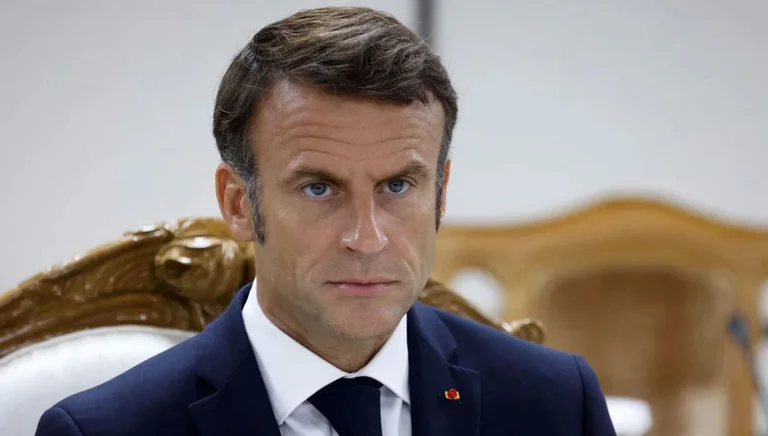
(3 years ago)Some REL diplomatic sources within the European Union (BE) have clarified that it is unlikely that a state will unilaterally suspend visa liberalisation for another state and that this could be done only through a regulation by the EU Council, following a statement by France's president, Emmanuel Macron, which [...]
While for many media in Kosovo Macron “threatened” with the suspension of visas for Kosovo when he said in Tirana Tuesday that “we have made a gesture of confidence on the visa issue. As for France, they [visions] are removed because we respect the word given. And today, the word is not being maintained”, but sources within the European bloc said France has made such a request.
What did Macro say about visas?
Sources from Brussels told Radio Free Europe on Tuesday that the suspension is possible only through procedures in the EU Council “using the regulation for the visa suspension mechanism“by 2018.
“Finance, nor any other EU member state, has at the moment proposed no visa suspension for Kosovo or for Serbia. But if there is political interest, it can also do so“, a European Union source has said.
In April of this year, the decision on visa liberalisation for Kosovo was also formally adopted by the EU and published in the official European Union newspaper the same month.
From 1 January 2024 Kosovo citizens are expected to travel visa-free to 27 EU countries, which make up the so-called Schengen zone.
To suspend this decision, another decision must be made by the EU Council. This can be done either by the European Commission or by any member state. Then, Council member states can vote for possible suspension.
So far, only once had it happened that an EU member state would seek suspension of visa liberalisation for a country in the region.
In 2019, the Netherlands had demanded that visa liberalisation be suspended for citizens of the Republic of Albania. In reasoning, he mentioned the danger that Albanian citizens involved in organised crime in the Netherlands pose for the national security of this country.
But the European Commission had rejected that requirement.