11 minutes ago
Aggression in Banjska: EU urges Serbia to co-operate unconditionally for investigation
Periskopi(3 years ago)
(3 years ago)The European Union (BE) expects not only full co-operation from Serbia but also unconditionally during investigations into the full whiteening of attacks that took place in Banjsk, in northern Kosovo on 24 September, attacks the EU has called terrorist. In this case, no one should hide behind positions about status as [...]
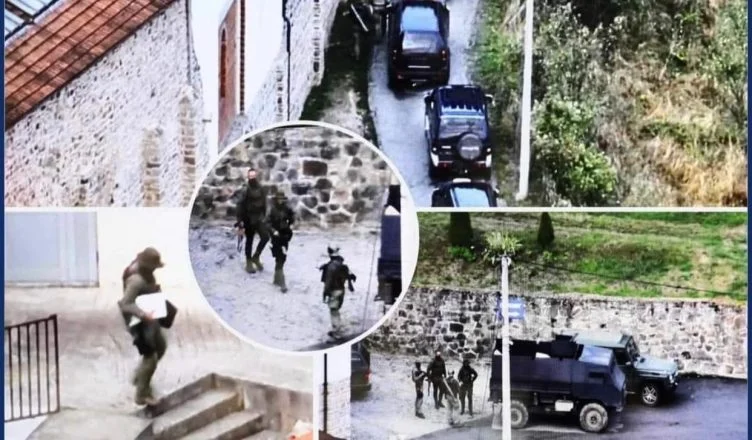
The European Union (BE) expects not only full co-operation from Serbia but also unconditionally during investigations into the full whiteening of attacks that took place in Banjsk, in northern Kosovo on 24 September, attacks the EU has called terrorist.
In this case, no one should hide behind positions about status as a pretext. That is what EU spokesman for foreign affairs and security Peter Stano said at a conference with journalists in Brussels on Monday, answering questions about whom Serbia should co-operate in investigations, as Belgrade says it does not recognise Kosovo. Belgrade has also stated that it will not extradite him to Kosovo, Milan Radocicin, who has claimed responsibility for the attack on Banjska.
The results of the investigations are also expected in the EU to clarify whether there will be punitive measures against Serbia. A large number of states have called for measures to be imposed on Serbia, but the European Commission and some member states are hesitant with the argument that “the outcome of the investigations should be expected to see whether Serbia had anything to do with this” act.
Our expectations from Serbia are not only to have that full co-operation, but to have unconditional co-operation. If there is will, there is also a way and no one should hide behind formalities like recognition or ignorance. There are many ways you can exchange evidence, how you can co-operate, and how you can contribute fully to the investigation”, Stano said.