3 hours ago
The Guardian: Unless association is implemented, the danger of conflict between Kosovo and Serbia is real
Periskopi(3 years ago)
(3 years ago)The prestigious British newspaper The Guardian has written an editorial for the Western Balkans criticising the European Union's approach to this region, enabling the official Kremlin to extend its agenda. Guardian has done a review of six states that make up this geopolitical space, but with particular emphasis on the problem between Kosovo and Serbia. “reports [...]
Guardian has done a review of six states that make up this geopolitical space, but with particular emphasis on the problem between Kosovo and Serbia.
“Reports between Pristina and Belgrade enjoying the enthusiasm of the Kremlin -- they look worse than ever in the last 20 years, writes the Guardian editorial board.
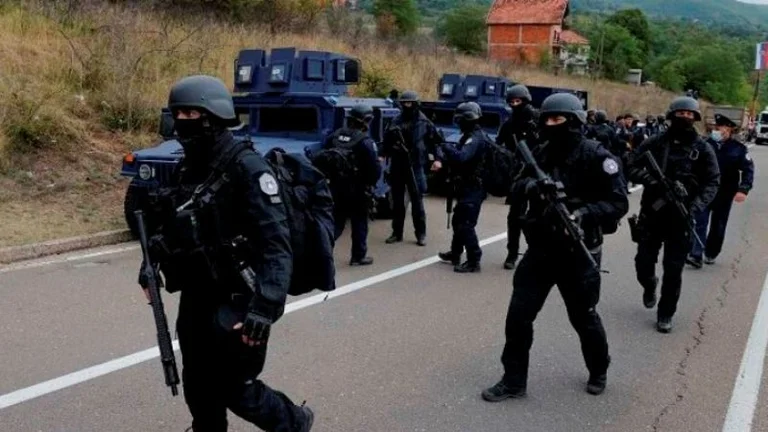
The EU's capacity to mediate is complicated since Serbia depends on Russian gas and also refuses to impose Moscow sanctions. But if the 2013 Brussels Agreement does not eventually be implemented this year that implies political autonomy for Kosovo Serbs leading to normalisation of reports between the two countries the risk of an immediate conflict is real”, writes Guardian.
And if there was a conflict, the consequences would be serious.
Given geopolitical implications, and China's growing influence in this region, the EU must improve its game immediately, says the paper's writing.
“Success of anti-emigrim and Islamophobic parties in several European states like France and the Netherlands means that eastward enlargement is unrealistic in the near future. In Serbia even, support for membership has dropped below 50 per cent, until Belgrade refuses to become part of European sanctions for Russia”.
According to Guardian, the EU is still likely to increase influence and do the right thing by restoring years lost from neglect.
“The EU should offer much more in terms of changing the game through greater economic assistance and access to the EU market. In exchange for progress on issues such as corruption, order and freedom of expression, an approach with concrete involvement can generate the goodwill needed to reduce tensions in the region and boost democratic values”, the Guardian editorial says.
According to the paper, the other, disgruntled alternative is allowing a vital strategic region to look from the east as much as west, empowering nonliberal etno-nationalist forces and advancing the Kremlin agenda in Europe's backyard.