16 hours ago
What happens to you while you're under anesthesia, and why don't you eat and drink before surgery?
Periskopi(3 years ago)
(3 years ago)The anesthesiologist's work is very heavy and carries heavy responsibility and must certainly wipe out your consciousness, eliminate your pain, and embillise your body during surgery. He measures the pulse until the patient sleeps, controls the breathing and pressure of the blood, and Henry Jay Presebillo has discovered what is allowed until we sleep [...]
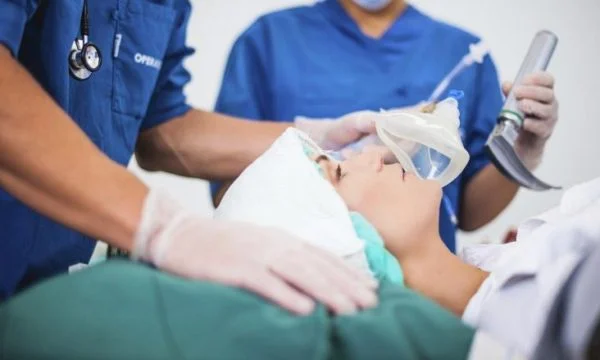
The anesthesiologist's work is very heavy and carries with him great responsibility and must certainly wipe out your consciousness, eliminate pain, and commit to the body during the operation
He measures the pulse until the patient sleeps, controls his breathing and blood pressure
Anesthesiologist Henry Jay Preesbylo discovered what's allowed until we sleep at the operating table.
You probably always asked why patients were forbidden to eat before surgery. The reason is that anesthesia releases the muscles and shuts off the reflexes, transmitsgraphy.
Ventiles between the throat and the lukth are released and allow the content to go into the mouth, even though the food ends up in respiratory routes, mildews can damage lung tissue.
Only clear liquids are allowed, even up to two hours before surgery.
There is still a debate about how anesthesia works and prevents it from forming memory during the time of the operation. Complete anesthesia was once provided with supplementary drugs, but some remember.
The amount of anesthesia of anesthesia differs from person to person, but it also depends on how old man is. Adding oxygen levels spent, so does the anesthesia level.
Small species tend to consume more oxygen than large ones, so the injected dose of human medicine could kill the elephant but not the mouse.
As anesthesia, three types of gases are used - desflutan, Izofluran, and sevofluran, who are the most popular.
The mother of all the drugs in my body is epinephrine, which is the last salvation of my life and I call it “Oh, not”, because every time someone in the room brings this word out of my mouth I take the syringe with epinephrine. She is the hormone, sometimes called adrenaline, speeds up the heart's work and raises blood pressure, says Dr. Preembillo.
There is a belief that anesthesia steals something from the patient's brain. Leaving the patient's family in his room only strengthens this wrong faith.
Compared with seconds the anesthesia needs to take action, but it takes a lot of time to stop acting.
Patients are able to respond to orders soon after surgery, but recognition of requests requires higher brain function, and the last one returns to function.