a few seconds ago
The only European state not suffering from an energy crisis
Periskopi(4 years ago)
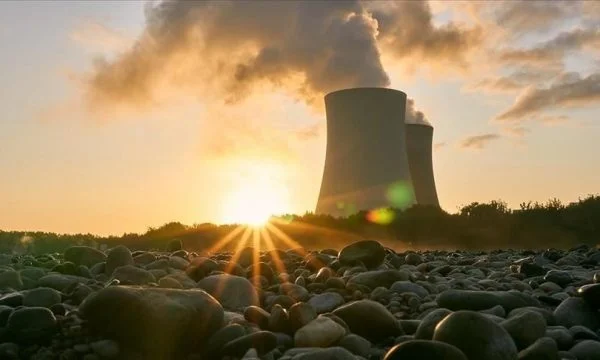
(4 years ago)Because of the war in Ukraine and a real risk of cutting off energy supplies from Russia, Norway has become the European Union's first gas supplier since months of trying to diversise supply sources in order to reduce its dependence on Russia more and more. Norway, a country [...]
Norway, a NATO member country but not the European Union, has managed to rapidly increase production and meet a growing need for Russian gas replacement. And for now, it collects huge profits. Norway is the seventh largest oil exporter in the world, and the fourth largest of gas.
According to data from the Norwegian statistical institute, in the first eight months of this year gas exports amounted to 775 billion Norwegian korons, about 77 billion euros, or 315 percent more than in the same period in 2021.
In August, gas exports reached their historic maximum: 176 billion Norwegian crowns, or 17 billion euros, nearly 40 percent more than a month ago, and 360 percent more than in August 2021.
In 2021, Norway exported nearly 113 billion cubic metres of gas to the European Union and was the second supplier to Russia, which sold 155 billion cubic metres. While the war began in Ukraine, it has become the European Union's biggest supplier.
Since the beginning of the year, Oslo has exported gas for a value of 60 billion euros, almost 80 percent of all gas exports, and 304 percent more than the same period in 2021. But Norway added not only the volume of sales but also its high prices of raw materials.
In August, its profits were more than 4 times higher than in 2021, compared with sales volumes that increased by only 12.8 percent. The Norwegian government predicts that revenues from oil and gas will reach 100 billion euros this year -- an extraordinary figure.
Oil exports have also increased. Since the beginning of the year, Norway has exported 35 billion euros of oil, or 61 percent more than last year. In view of the high profit prospects, Norway expects to maintain current gas production levels by 2030, announced Norwegian Energy Minister Terje Aasland at the end of August.al.
Further reduction of Russian gas to the European Union in recent weeks has made this country essential to supply the continent so much that European Energy Commissioner Kadri Simison declared a press conference that, along with Norway, they are trying to create a stable and growing supply line, in exchange for EU countries to buy the first material at a lower price compared to that of the market.
This dynamic has highlighted a paradox that actually exists for years. Norway is being enriched by exports of fossil fuels, while it is one of the most advanced countries in renewable resources.
But the energy crisis in the European Union has increased pressure for Norway to further increase gas and oil production, with new research in sensitive areas, opposed by environmentalists, as well as the Barents Sea. The dilemma has implications in domestic political debate, which also emerged in the 2021 election campaign.
In reality, in addition to the Greens and Socialist Left, none of the main parties demanded that new resources explorations be put to an end, as well as possible consequences for employment, but also because gas and oil revenues can finance the development of clean energy in the country.