35 minutes ago
EU's five-year non-recognition, government criticised for inactivity
Periskopi(4 years ago)
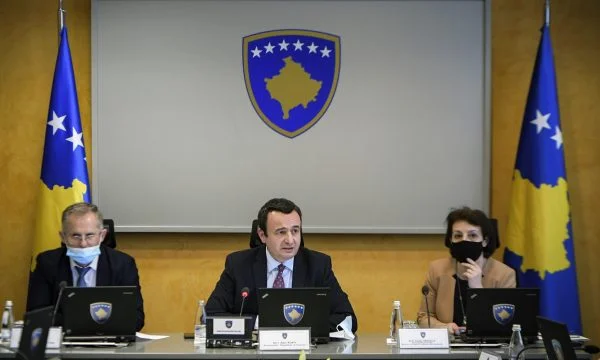
(4 years ago)The continuing refusal to recognise Kosovo's independence by the five European Union countries is seen as disturbing in the country. Kosovo's disregard during the Spanish prime minister's visit to the Western Balkans and the failure to move the positions of Greece, Slovakia, Romania and Cyprus for recognition of Kosovo is also being billed by Kurti Government. However, this [...]
The continuing refusal to recognise Kosovo's independence by the five European Union countries is seen as disturbing in the country.
Kosovo's disregard during the Spanish prime minister's visit to the Western Balkans and the failure to move the positions of Greece, Slovakia, Romania and Cyprus for recognition of Kosovo is also being billed by Kurti Government. However, this process also connects with Kosovo-Serbia dialogue and the achievement of the final agreement.
According to the AAK deputy, Time Kadrijaj, the executive has not done enough in foreign policy to approach these non-accident countries.
She also questions Prime Minister Albin Kurti's frequent visits to Greece until she says that this state has yet to signal recognition of Kosovo's independence.
We have raised it as a concern, as in any initiative Kosovo takes in the international arena it is an obstacle not to recognise from the five EU member states. It is said that the government will apply for EU membership, but we from European community officials who have had contacts say that a consensus is needed only to get into the agenda and the same one said we do not have. As it worked in this direction by this government, it hasn't worked enough and it's made a platform for how to get to these countries... I don't know what the reason was that Mr. Kurt stayed in Greece, was he on vacation, or all those agendas he told him, he kept them secret. A prime minister's stance in a country that has not recognised Kosovo's independence is meaningless, with no results. There hasn't been a prime minister that long. We would have rejoiced if there had been positive moves from these five countries that have not recognised Kosovo's independence”, she has said of the KP.
In contrast, Vetevendosje Movement MP, at the same time chairman of the Commission for Foreign Affairs and Diaspora, Haki Abazi, says recognitions of the five EU nations depend on the internal dynamics of these states and the engagement of Kosovo institutions.
He also cites Kosovo's report with Greece, which says the latter had a constructive role in visa liberalisation and the SAA.
This conversation with Greece and other non-conventional states is entirely dependent on our commitment and internal dynamics that states have, especially when there are electoral campaigns and enormous political costs for changing positions. I think Greece has played a constructive role in Kosovo's walk even in the SAA and issues of financial support from the EU has been a constructive partner in the visa liberalisation process. These make a framework of the actions Greece has made progressively for Kosovo's support. When and what time Kosovo's recognition of independence will come, I believe it is a matter of Greece's internal decision, which I had not commented on at all. But we must continue to be constructive and engaged not only to Greece, but also to all countries that have not recognised us”.
On the other hand, analyst Artan Muhhaxhiri says recognition of five EU countries depends largely on the dynamics of Kosovo-Serbia dialogue.
The positions of the five non-concilative countries depend entirely on dialogue dynamics. The more adventures there are in dialogue, the closer the idea of reaching a final agreement, which will also mean recognition by the five countries and membership in the United Nations. In this blockade in the dialogue, there is not expected to be changes in the attitudes of the five non-concilative countries”.
During his visit to Albania this week, Spain's Prime Minister Pedro Sanchez reiterated his state's stance that unilateral declarations of independence violate international law. However, he expressed support for visa liberalisation for Kosovo citizens.
Unlike authorities in Spain, Greece's Foreign Affairs Minister Nikos Dendias has visited Kosovo more often.