44 minutes ago
Study: American frog and tree snake have caused billions of damage to the world economy
Periskopi(4 years ago)
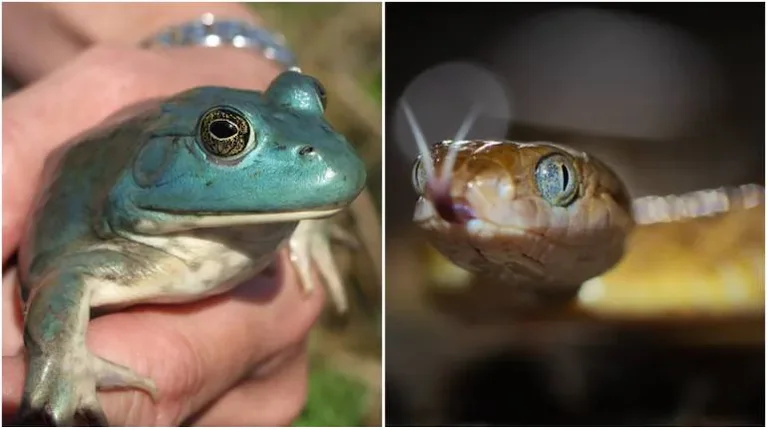
(4 years ago)Scientists who calculate the economic damage caused by parasites worldwide have found that two species are responsible for more damage than any other species. American frogs and tree snakes have caused $16.3 billion global damage since 1986, according to the BBC. Besides ecological damage, the invading couple have destroyed their crops [...]
In addition to ecological damage, the invading couple have destroyed farm crops and caused costly power cuts. Researchers hope their findings will encourage more investments to help block and prevent species and such in the future.
Typing in “Scientific Reports “, scientists have considered the tree snake to be solely responsible for the total damage of $10.3 billion in part by spreading uncontrolledly to some Pacific islands.
In Guam, where the reptile was accidentally introduced by the American marines in the past century, today's snake population causes massive power outages because they slide over electric wires and cause extensive damage.
Over two million snakes have populated the small Pacific island. Island ecosystems are thought to be more vulnerable to invading species where they pose a greater threat to extinction for local animals.
In Europe, an increasing number of American frogs have become necessary because of the creation of ambitious and costly managerial programmes. To prevent the spread of amphibious, which can grow to 30cm of height and half kilograms of weight, officials have been forced to install expensive fences against frogs around known breeding sites.
Building these fences to stop the amphibious escape cost German officials 270,000 euros, according to an EU study.
The amphibious is said to eat almost anything, including other frogs. Another species, the usual coqui frogs, is guilty of causing economic damage in another way: their extremely noisy singing of mating is believed to have caused a decline in property values in areas where they are populated.
The study authors hope their findings will encourage officials to invest more in such animals' control and to take steps for the future. /abcnews. al