24 minutes ago
Germany adopts new immigration law, do Kosovo Albanians benefit
Periskopi(4 years ago)
(4 years ago)The new migration bill was adopted Wednesday by the German cabinet. Federal Minister of Internal Affairs Nancy Fyser (SPD) said the aim of this first migration package is to shape migration policies. It aims to end the current common practice of “duldung” in succession (Kettenduldung). A chance of [...]
A new chance for former asylum seekers
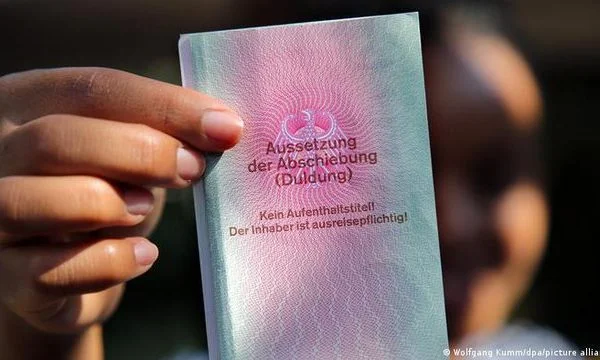
The law captures those rejected asylum seekers -- that is, with Duldung -- that on January 1st, 2022 has been in Germany for at least five years. If approved by Bundestag, according to the current bill, they would be granted a one-year residence permit -- young people up to three years old.
During this year, they will have the right to learn the language, find a place to work, and provide testimony to their identity. If they succeed, they gain everlasting right to stay. The condition is to accept the order of Germany's constitutional values, said Germany's Interior Minister Nancy Fyser, SPD, at a press conference Wednesday, 6. 2022 in Berlin.
Access to Language Savings
But even those who do not yet benefit one - year residence permits will have access to language courses and integration.
For us, the mediation of our values and language is always important even to those who are temporarily in Germany”, German Minister Fäser said.
So far in many banks, foreign access to integration courses depends on the perspective of their stance.
Relief for Family Families
The bill also envisions relief for qualified workers and members of their families.
„We need to acquire the workforce we need in many sectors. Therefore, even qualified persons will be allowed to bring their families to Germany without the need for evidence of the” language course, Fäser said.
Consistent convict deportation
On the other hand, the law envisions more consistent implementation of expulsions from Germany to be convicted of criminal acts and persons who have declared a false identity.
The pre-prisoned “convicts will be more easily denied permission of residence. The administrative procedures will be simplified”, Fäser said.
According to her, it will become easier for them to be sent into custody to prevent illegality before being deported.
Approval expected in autumn
The new bill must be approved by Bundestag, what is expected to happen by autumn.
Government coracion paramilitary groups have welcomed the new package. SPD parliamentary group spokesman for domestic issues Sebastian Hartmann explained that this would set the way for a new “beginning in migration policy”.
The “is unintelligible to return well-intended people to their country and then recruit from outside hard workers we need“, Hartmann said.
The executive chairman of the FDP parliamentary group, Stephan Thomea, spoke of “beginning another paradigm in migration policy”.
CDU/ CSU charged with inciting irregular migration
The opposition turned down the bill immediately. Andrea Lindholz of the largest parliamentary group CDU/ CSU, in a statement to the media, accused the coalition among Social Democrats, ecologists and liberals of boosting the lure of illegal immigration in Germany.
The bill rewards especially foreigners who need to leave, but who cannot leave because they have refused to explain their identity and that even after many years they have not integrated into the work market”
CDU/ The CSU also criticises the fact that the law will now allow everyone to participate in integration courses.
A rejected asylum request will decide less if one lives permanently in Germany. The coalition is turning the asylum procedure into a” farce, Lindholz complained.
Parliamentary Group Vice President CDU/ CSU also criticised the fact that more and more foreigners would come to take advantage of social systems in Germany.
This projection is harmful to our country and does not solve the problem of lack of qualified workers. That's why we need a special recruit and not a riot of exile because of asylum and exile for work”, Lindholz said through a media statement.
Do Albanians benefit from this law?
On December 31, 2021, some 242,000 foreigners lived in Germany with Duldung, over 136 600 of them for more than five years. This is highlighted in a response by the German government of March this year to the parliamentary group “Die Link” in Bundestag.
This document reveals that over 5,500 people with Duldung descended from Kosovo were registered in Germany. Yet, it cannot be said how many of them will benefit from this bill. / DW