3 minutes ago
6 Balkan Countries Expect EU Summit
Periskopi(4 years ago)
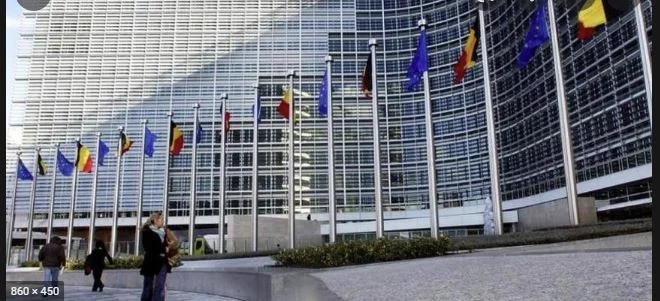
(4 years ago)The summit of EU member states to be held today and tomorrow in Brussels is expected to be demining for many developments. At this summit, which is held under the French presidency of the EU, and under pressure from Russia's aggression on Ukraine, decisions are expected to affect the Western Balkan countries as well.
The summit of EU member states to be held today and tomorrow in Brussels is expected to be demining for many developments. At this summit, which is held under the French presidency of the EU, and under pressure from Russia's aggression on Ukraine, decisions are expected to affect the Western Balkan countries as well.Got it.
With all the major troubles in the region, there is expected to be a greater clarification of what will happen in the ongoing months in EU reports with many political and security developments.
In this context, Kosovo expects the appointment of a visa liberalisation date -- a process that has been extended -- when it is known that it has remained 12 years now -- the only country in the region whose citizens have yet to be equipped with visas to travel to the Schengen area.
Such a right to free movement, Serbia, Montenegro and North Macedonia have won it in 2009, and Albania and Bosnia and Herzegovina in 2010. On the other hand, Albania and Northern Macedonia expect more clarity if they will get the starting date for EU membership talks.
Northern Macedonia is an EU candidate country now 17 years old, but Greece's veto of its constitutional name left it in the corridor for almost two decades.
Now, when the name barrier was resolved, it is Bulgaria that has set the next obstacle, seeking to resolve differences on language history.
In addition to Northern Macedonia, there is Albania, which has been deployed to a package with northern Macedonia without its will.
This means that the obstacles Skopje has are penalising Tirana, which has no trouble with Bulgaria.
Thus, Albania has received such a candidate status for EU membership in June 2014, but continues to wait.
Albania's prime minister, Edi Rama, has not rarely expressed his appeal to the situation, demanding that each country move on its own integration path.
Meanwhile, Serbia, which was among the last in this process, has not only begun negotiations on membership, but has managed to complete several chapters.
The candidate country's status, Serbia, received in March 2012, while membership talks began in January 2014.
However, its close report with Russia and attitude towards Kosovo have cost it procrastination.
However, with the initiative for the Open Balkans -- which includes Albania, Serbia and Northern Macedonia -- the countries' first reaction to the EU is expected.
Albanian Prime Minister Edi Rama, North Macedonia's Dimitar Kovacevski and Serbia's president, Aleksandar Vuciq, have warned they are not excited to attend the EU Summit in Brussels on Thursday.
They have even said that today, when they consult each other, they will announce whether they will attend this summit or not.
If these three countries were to boycott this summit, it would be the first time Western Balkan states would refuse to participate and hear what Brussels has to say and do official in its report.
That is after Thursday, the summit will be dedicated to Western Balkan countries.
Meanwhile, at this summit, Montenegro, Bosnia and Herzegovina and Kosovo, which are not part of the “Open Balkans initiative, will participate.
Kosovo in this case will be represented by Republika President Vjosa Osmani-Sadriu.