21 minutes ago
Russia starts war in Ukraine, is China expected to invade Taiwan?
Periskopi(4 years ago)
(4 years ago)Chinese officials are looking for ways to protect the country from economic attacks if the West is to impose sanctions on China in the same way as Russia, boosting fears that the nation is preparing to invade Taiwan. China's regulators held an emergency meeting April 22nd among China's central bank officials, [...]
Chinese officials are looking for ways to protect the country from economic attacks if the West is to impose sanctions on China in the same way as Russia, boosting fears that the nation is preparing to invade Taiwan.
China's regulators held an emergency meeting April 22nd among officials of China's central bank, the Ministry of Finance, local banks operating within China and international lenders like HSBC.
The West's harsh economic sanctions towards Russia prompted an urgent meeting with the finance ministry, which declared President Xi's administration had been put on alert by the sudden freeze of the dollar.
The news comes after Great Britain and the US held high-level talks on how to manage a crisis in Asia if China invades Taiwan.
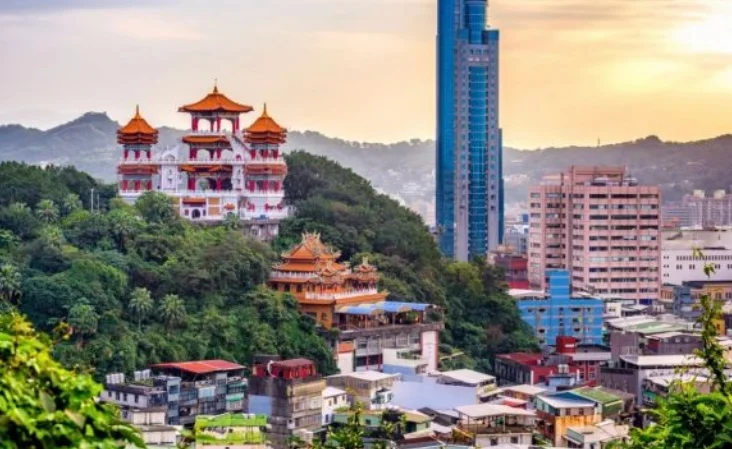
China claims Taiwan is part of its territory, despite the fact that the island country functions under a separate government since 1949.
The US is thought to be considering proportional sanctions against China in the event it invades Taiwan, predicting a scenario similar to that played in Ukraine.
Although Chinese businesses have refrained from doing business openly with Vladimir Putin's regime since he gave the order to invade Ukraine, President Xi Yinging reportedly has maintained some economic ties with Russia.
Why did China set its sights on Taiwan?
China and Taiwan have a long dispute over the island's sovereignty.
China considers Taiwan part of its territory, more precisely a province, but many Taiwanese people want the island to be independent.
From 1683 to 1895, Taiwan was ruled by China's Qing dynasty. After Japan declared its victory in the First Sino-Japanese War, the Qing government was forced to hand over Taiwan to Japan.
The island was under the rule of the Republic of China after World War II, with the consent of its allies, the US and Great Britain.
Chinese Nationalist Party leader Chiang Kai-sek fled to Taiwan in 1949 and established his government after losing the Civil War on the Communist Party and its leader Mao Ce Dun.
Chiang's son continued to rule Taiwan after his father and began democratising Taiwan, writes DailyMail.
In 1980, China presented a formula called a country, two systems, under which Taiwan would be granted considerable autonomy if it accepted Chinese reunification. Taiwan rejected the offer.
Taiwan today, with its constitution and democratic elected leaders, is widely accepted in the West as an independent state. But its political status remains unclear. /abcnews.al/