2 minutes ago
Russia: Hard year, not expected to have high wheat production
Periskopi(4 years ago)
(4 years ago)Quick climate change at a global level, the oil crisis, rising prices as a result of the war in Ukraine, is considered a difficult year for Kosovo agriculture by university professor Imer Rusinovac. Agriculture Professor at Pristina University “hasan Pristina”, Imer Rusinovac has considered this year to be difficult but [...]
Agriculture Professor at Pristina University “hasan Pristina”, Imer Rusinovac, has considered this year to be difficult but says there is no reason for panic.
It's a year that we're facing today the consequences of Coddy's is that I've been faced with the energizing enamel of mineral waste in particular. It's a year that is very current climate change, it's a year that bursts out of conflict between Ukraine and Russia from which about 15 percent of world food was traded and in this construction, I think this year will be difficult, but we have no reason or need to create panic, concerns of the population”, Russia has said.
According to him, there is great disbalancing between export and import of agricultural products in Kosovo and that nine items are imported, while only one is exported.
“The export issue may be probably symbolic, currently we're in a 9-to-1 prosperity that means we import and export nine articles. It may be in moderation in the overall sense or in the total sense, and certain products such as certain kinds of vegetables, wines etc. and so forth, something from the potato can be exported, but along with the staggering degree of import that we have is unwarrantable once again, this report is actually nine by one, which is totally disparable”, he said.
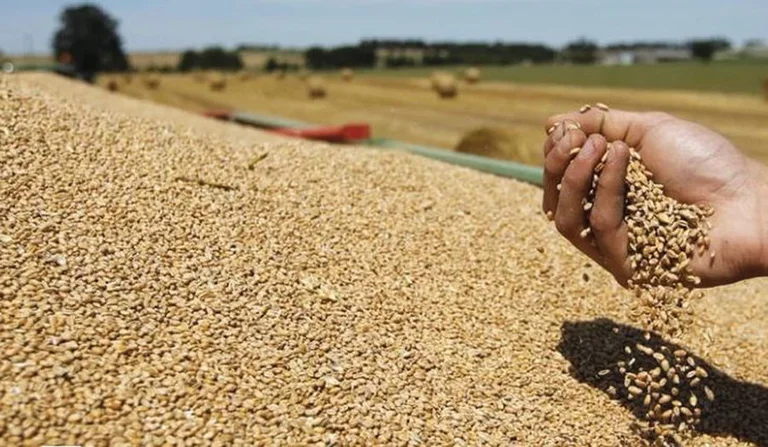
In contrast to past years, Rusinovac says this year is not expected to produce this higher wheat, because basic products have had an extremely high price.
He even added that this year will be considered large-scale import for basic vital products.
I don't think that in this year we expect a higher production of wheat in relation to the callable years, for the main reason that they haven't drafted and harmonised enough and the farmers' nutrients. First of all, I think that with mineral fertilizers, because they've been obviously expensive and in this structure, of course, production will also be absent and will be far from the production potential of wheat culters that are collected in general, and especially from other cereals such as the cervix, so it's a year that it will certainly affect the large amount of imports for basic products, such as strategic products, but what we have to work with farmers in the field to at least care until the end of the period that is the right level of <x> he has said.
Russia has further said it is justifiable that the import of wheat, corn and cultures that coincide with our agroecological conditions are imported to a large extent.
“The food insurance issue is a very huge issue because it is a number of problems, not just cereals and vegetables in animal products, etc. If we have a production capacity, along with the agroecological potential that we have for certain cultures, some of them don't match our agroecological conditions and they have to be imported. It's whether we interpret something in tropical plants in rice and other plants we have to buy, but import of wheat, corn and cultures that correspond to our agroecological conditions to import so much, it's unwarranted whether for farmers' level of institutions regardless of whether they are local or central”, he said.
“I think that Kosovo should build a common denominator between producers, whether it's a processor, whether it's a direct producer, whether it's an extensionist or advisory service on the field or a proper dictatorship, and so we can only get to certain ferries with a very clear objective of adding productivity to surface labor, because Kosovo actually participates in the group of poor working-headed countries or capitals that we say in the agromy and see for that when low work productivity gets added, then it should be importated.