13 minutes ago
G7 aims to protect poor states from consequences of war in Ukraine
Periskopi(4 years ago)
(4 years ago)The industrialized G7 states will deal with a global food crisis approaching in discussions beginning on May 12th, said Germany, which is economic, stressing that poorer countries must be protected from the effects of Ukraine's Russian occupation. “We as the strongest industrialized democracies have a responsibility [...]
“We, like the strongest industrialized democracies, have a special responsibility” to help poorer nations cope with the restrictions of food and energy caused by war, said Germany's Foreign Minister Annalena Bayerbock at the start of meetings.
The G7 foreign ministers will not only discuss “s can continue to support Ukraine, but also how we can help the poorest people in the world in this” situation, Baerbox said.
It's not only about wheat, it's about energy supply worldwide”, she added.
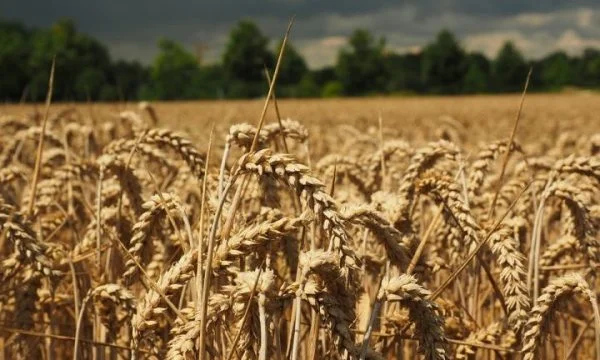
Prior to the war, Ukraine was the world's breadbasket, exporting 4.5 million tons of agricultural products per month through its ports 12 percent of the planet's wheat, 15 percent of corn, and half of sunflower oil.
But with the ports of Odessa, Chornomorski and others cut off from the world by Russian warships, the supply can only travel overcrowd land routes that are completely inefficient.
This imminent food crisis is deteriorating by the global effects of climate change. And that is exactly what the Russian president intended to use this crisis... to divide the global community”, she concluded.
Germany currently holds the presidency of G7.
Other members of the group are Canada, France, Italy, Japan, Britain and the United States.
The war in Ukraine is set to be the main topic in the agenda, with the foreign ministers of Ukraine and Moldova Dimitro Kuleba and Nicu Popescu also on the guest list. / REL