 an hour ago
Report The UN cites the work of The Hague-based war crimes tribunal, speaks of the case “Drenica I”
Periskopi(4 years ago)
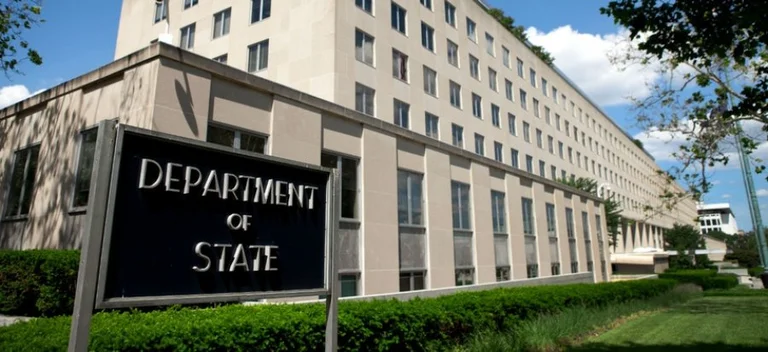
(4 years ago)The recently released report by the US State Department (DASH) mentions the work of the Kosovo Special Court for War Crimes at The Hague and actions to prosecute war crimes cases by courts in Kosovo. It says that by September, Kosovo Special Prosecutor (PSRK) had under [...]
It says that by September, Kosovo Special Prosecutor (PSRK) had 12 war crimes cases under official investigation. During the year P The SRK has issued a decision to launch investigations. A high-profile war crimes case known as “Drenica I” was sent for retrial in 2017, but was delayed several times. No hearings were held until December.
The report also notes that in July, a court in Pristina sentenced former Serbian police officer Zoran Vukotic to three and a half years of lifting freedom for raping a pregnant Albanian woman and participating in the expulsions of Kosovo Albanian civilians from the town of Vushtrri in 1999. Since 2019, Vukotic has been in pain with the six-and-a-half-year sentence for war crimes of ban and unlawful torture of Albanian prisoners from Kosovo in the Mitrovica region. The additional sentence marked the first time a Kosovo court sentenced a defendant for rape during the war.
The report included the March prison sentence of the Serb from Kosovo, Zlatan Krstic and Albanian Dean Shabani, both former Serbian police officers, with 14 and a half years and seven years in prison respectively, for war crimes against Albanian civilians in 1999. While in February, a court in Pristina sentenced Kosovo Serb Zoran Djokic to 12 years of lifting freedom for war crimes against Kosovo Albanians committed between March and April 1999 in the Pec region.
The government Commission for Missing Persons said in September that a thousand and 632 people still account for missing during the 1998-99 war and the subsequent political violence. Under the law, the government's database of missing persons does not include ethnic affiliation of missing persons unless they are voluntarily reported by their family. The Commission hinted that about 70 percent are Albanians, while 30 percent were Serbs, Roma, Ashkali, Egyptians, Bosniaks, Goran, Montenegrins and others. /Periscope.











