11 minutes ago
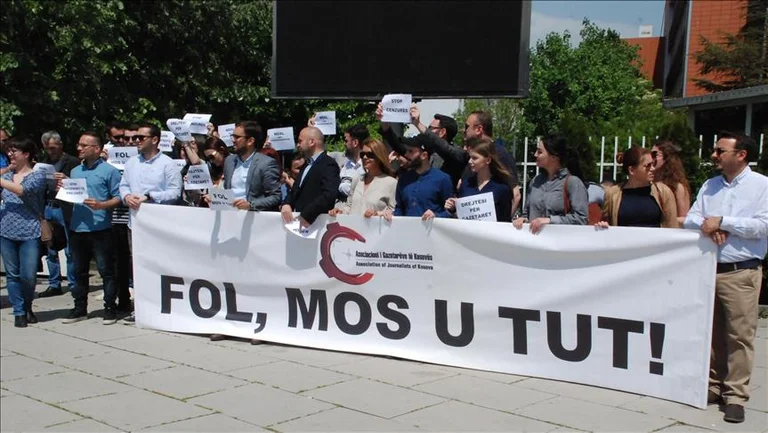
KAS: Journalists in Kosovo are threatened if they criticise the government in their reports
Periskopi(4 years ago)
(4 years ago)In the World Human Rights Report in 2021, the US State Department (DASH) has recorded serious restrictions on freedom of expression and media, including violence or threats to violence to journalists. The report released yesterday stresses that journalists in Kosovo were threatened with publishing articles criticising the work of the Government, [...]
The report released yesterday stresses that journalists in Kosovo were threatened with publishing articles criticising the work of Government, political parties or special officials.
The report also points out that there have been reports on several occasions that media owners threatened to fire journalists if they produce articles critical of government work. Journalists also complained that media owners prevented them from reporting corruption to high levels of government, the report noted.
Report The UN also states that journalists in Kosovo found it difficult to obtain information from the Government and public institutions, despite laws offering access to public documents.
“Since August, the ombudsman Institute is considering 26 complaints from the media, civil society organisations and individual citizens concerning alleged violations of the right to access public documents. The ombudsman's institution concluded that public institutions lacked professional capacity and personnel to respond to requests for access to public documents, leading to considerable delays or failures in offering legal reasoning for refusing or limiting approach”, the report stresses.
The report points out that independent media were active and expressed a wide variety of views, generally without restrictions. However, government officials, some political parties, businesses associated with government, religious groups and disgruntled individuals pressured media owners, individual editors and reporters not to publish specific stories or materials. Some journalists have refrained from critical investigative reporting due to fear of their physical safety or job safety, according to the UN report.
Journalists, according to the report, received offers of financial benefits from time to time in exchange for positive reporting or abandoning an investigation.
However, it is suggested that there were no reports of direct media censorship written or broadcasts, although journalists claimed that pressure from politicians and organised criminal groups often resulted in autosensuration.