28 minutes ago
Invasion for cancer protection in uterine soon comes to Kosovo
Periskopi(4 years ago)
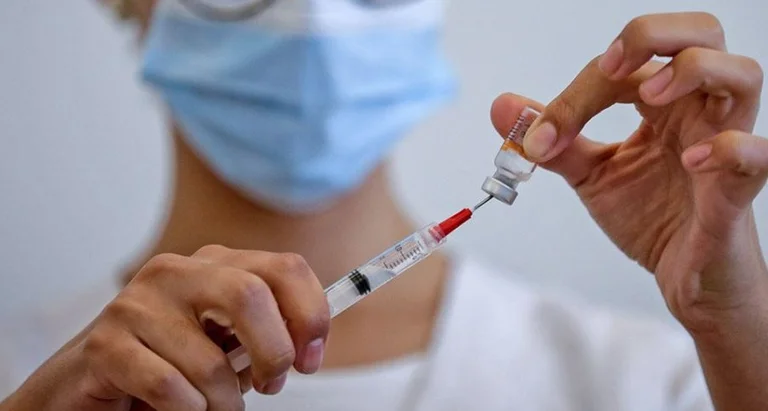
(4 years ago)The vaccine against the papyrus virus (HPV), which protects girls and women from cervical cancer, will also be given in Kosovo, starting this year. The virus is transmitted mainly through sexual relations and can cause various diseases among the affected, including cervical cancer in women. [...]
The virus is transmitted mainly through sexual relations and can cause various diseases among the affected, including cervical cancer in women.
According to oncologists in Pristina, this form of cancer is second to the frequency of the show in women, after breast cancer.
“ [In Kosovo], with cervical cancer, more than 100 women are represented annually, while, along with ovaries cancer, this number is up to 170”, says Free Europe Free Ilir Kurtishi, task manager of the Oncological Clinic at the University Clinical Centre in Kosovo.
Kosovo Health Ministry makes known about REL has ordered 300 doses of the vaccine against the papyrus virus for this year.
At first, volunteers or those with genetic predispositions will be able to receive them, while by next year the vaccine will be added to the regular vaccination calendar, released by the Kosovo National Public Health Institute (IKSHPK).
The vaccine will remain recommended, unlike some countries that are mandatory for certain age groups.
The vaccine, according to health authorities, will be given to girls between the ages of 12 and 16.
Fetije Fetaj, deputy head of communication at the IKSHPK, says that there are some patients on the waiting list whose immunization with this vaccine has been recommended by doctors.
“Vaxes have been secured, we are waiting within days or weeks to physically reach Kosovo. We've got a couple of cases, we've got their contacts, phone numbers, and, as soon as the vaccines arrive, they're gonna come and get isolated. There are three patients waiting...”, Fetaj says.
Based on studies recently conducted by the organisation “Cancer Research”, headquartered in Britain, HPV vaccine reduces cervical cancer to almost 90 percent.
According to the World Health Organisation, HPV vaccines function better if managed before exposure to papyrus virus.
To prevent cervical cancer. WHO recommends vaccinating girls between the ages of 9 and 14, when, reportedly, most have not yet started sexual activity.
Given these estimates, Arben Bislimi, from the Association of Oncologists of Kosovo, says it is the last time IKSHPK put this vaccine in the regular immunization calendar.
Why is Kosovo late?
“Preventova is better, more efficient, with lower costs and higher profits, compared to treatment after the eventual diagnosis of the disease”, he says. Bujar Vitija, journalist in Kosovo magazine “Shneta”, which largely conveys the health sector, says one of the reasons this vaccine has not been given so far in Kosovo, is its high price and lack of health ministry capacities to cover.
“... anyway, it doesn't reason her absence. We should stress that cervical cancer is one of the most frequent types in the world, but also in Kosovo. Therefore, it is imperative that we have the vaccine to prevent the disease and protect the health of women”, says the Year for Radio Free Europe.
In the Ministry of Health, REL has not been given details about the price.
From the IKSHPK, they say that for next year, when HPV will be introduced into the lists of regular vaccines have demanded 5,000 doses.
HPV in several countries' vaccine calendar
From neighbouring Kosovo countries, Albania has warned of introduction of vaccine HPV in the mandatory vaccine calendar.
In northern Macedonia, this vaccine is on the calendar, while by 2013 it is mandatory for group ages 12 to 26 and is given in three doses.
Serbia's vaccine calendar is also HPV, but vaccine is not mandatory, it is recommended.
In 2020, Montenegro has allocated the budget for HPV vaccine, but those tools have been used for the treatment needs of COVID-19, which has erupted in that year.
According to authorities in this country, HPV vaccine will become a priority when there is a more favourable epidemiological situation with COVID-19.
The HPV vaccine is also given in Bosnia and Herzegovina, though not binding. / REL/