4 minutes ago
Experts: Propaganda and Moscow Allies in the Balkans Risk to Democracy
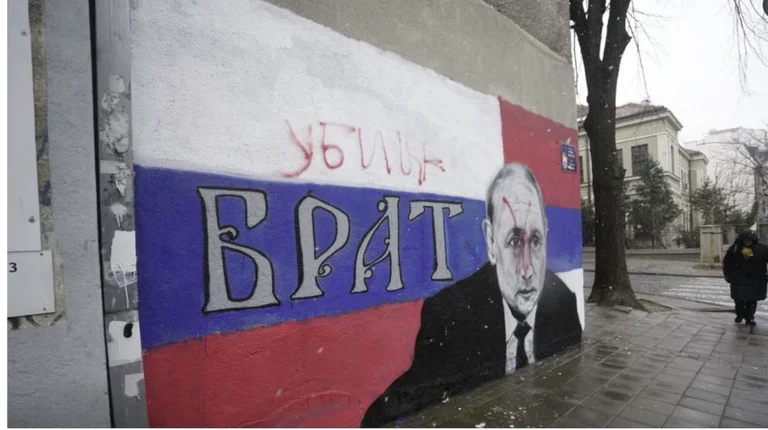
Periskopi(4 years ago)
(4 years ago)Russia's military intervention in Ukraine has raised concerns about the risk of expanding Moscow's influence in other regions of Europe, particularly the Western Balkans. This was the theme of a discussion organised yesterday by the Harriman Institute of Columbia University. Experts analyzed Russia's influence on the Western Balkans, through example [...]
Security experts estimate that Kosovo and Bosnia and Herzegovina are the most sensitive points in the Western Balkans, while saying Serbia continues to be Russia's main ally in the region.
According to them, mismanagement is one of the main tools the Kremlin uses for destabilising the region, aiming to undermine democracies, the European Union and NATO.
Ivana Stradner of the Foundation for the Protection of Democracy says the main weapon to fight the expansion of Russia's influence in the Balkans is the continuing expose of Moscow propaganda.
The only way to gain the war of information is to be very engaged and expose lies that spread throughout the Balkans. Days ago, Serbia accused the United Kingdom of sending weapons to Kosovo. This spread rapidly to the region. The following day Britain rejected the news. The European Union, the United States and Britain must react after any false news in the Balkans”, Stradner says.
These comments were made during a discussion organised by the Harriman Institute of Columbia University, where panelists analyzed Russian influence in the Western Balkans by taking the lead in Ukraine's example.
They estimated that the war in Ukraine has contributed to the European Union's increased attention to the Western Balkans. But journalist Una Hajdari says she recently notes a decline in concrete steps to improve the situation on the ground.
She cited three consecutive incidents in Serb-run northern Kosovo, where she was shot with firearms in the direction of Kosovo Police members.
Even though we know that concerns expressed by the European Union, usually through messages on Twitter have no effect on the ground, at least we know they are informed about these events. EU officials have a limited vision, which has now contracted even more”, she says.
Belgrade is facing pressure added from the West to harmonise its foreign policy with that of the West.
Serbia supported the UN resolution condemning the Russian attack on Ukraine, but continues to reject imposing sanctions against Moscow. Serbia's stance is seen by experts as Serbian President Aleksandar Vucic's attempt to maintain balance between East and West.
After voting for a resolution on the UN Security Council, everyone tries not to pull it off, not putting pressure on it because they fear it is approaching the other side. But they have to say let's go try and see how things flow. But there is no will to challenge”, Kurt Bassauner from the Democratic Policy Council said.
Attitude towards Russia and the conflict in Ukraine was also a factor in Serbia's presidential elections held early in April.
President Vucic has said he is not planning to change access, defending his aspirations for EU membership, but without damaging close ties with Russia and China.
Election results released the winner, securing a second five-year term.
I think Aleksandar Vucic is a politician who knows no limits, interested in retaining power. It is dangerous and undemocratic, because these individuals when they feel that their survival is under threat, attack by engaging in activities and behavior that could hit the Atlantic interests”, Richard Kraemer of the European Values Centre for Security Policy said.
After the start of the war in Ukraine, speculation has increased in support of Kosovo's NATO membership. But Rauf Bajrovic, vice president of the US-European Alliance, an organisation in Washington, this goal is hard to realise because Kosovo first needs recognition of all NATO member states.
“I think Kosovo is paying the Western effort bill to keep Vucic on their side”, he said.
Four out of the 30 NATO nations -- Greece, Romania, Slovakia and Spain -- have not recognised Kosovo's independence.