13 minutes ago
Energy crisis forces Balkan countries to return to use coal
Periskopi(4 years ago)
(4 years ago)Balkan countries are turning to coal to ease the crisis caused by increased energy prices. This has increased fears among environmentalists that countries are being attracted by commitments to gradually give up fossil - based fuels that cause pollution and influence climate change. Northern Macedonia, once leader [...]
Northern Macedonia, once a leader in attracting renewable energy investors, said earlier this month it was planning to open two new coal mines to supply its thermal power plants.
The Energy Ministry also said it wants to buy 3 million tonnes of coal from neighbouring Kosovo, though no agreements have yet been signed.
“With the beginning of the energy crisis, not just us, but all countries in Europe have immediately increased the production of electricity from coal because this is the low and safer resource”, says Vasko Kovacevski, president of the state energy company of Northern Macedonia, “Electricity na Severa Makedonija”.
The increase in retail prices, scarce reserves, and Russian attacks on Ukraine have increased energy prices and have caused many countries to try to provide other alternatives to power supplies.
But environmental protection activists say turning to coal is not the solution.
“Dicatorisation is one of the pillars of the green agenda and we now present a plan for opening a coal mine? This is unacceptable”, says Nevena Smilevska from environmental organisation “Eco-svest” in Skopje.
The new coal mines are in Zivojno, near the monastery thermal power plant in the south of the country and Augusterica, near the Oslomej thermal power plant in the west. Government and state energy company, “ESM” has not given a specific date for opening new mines and their level of production.
Skopje originally planned to gradually give up its use of coal until 2027, but in January it extended until 2030.
Meanwhile, Kosovo said foreign companies, including those from Germany, had also sought to buy coal. Kosovo has the world's fifth largest deposits of lignite, a kind of soft coal with a relatively low energy content, which causes toxic pollution when it burns.
Serbia has said it is increasing the level of coal production due to insufficient rainfall for hydropower plants and that it will import 500 tonnes of coal daily from Montenegro.
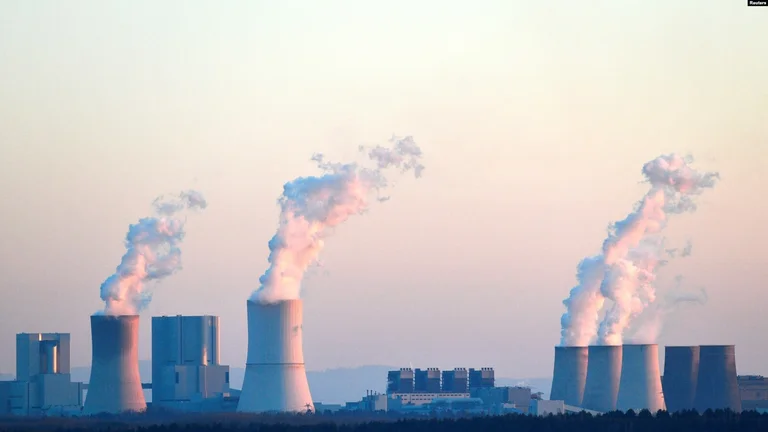
Bosnia, the only Balkan country to export electricity, says it will postpone plans to close coal power plants due to high energy prices and the impact of war in Ukraine. At the Oslomej thermal power plant in northern Macedonia, an object has recently been built for the production of solar energy with a capacity of 10 megawatts, as part of a plan to replace energy production from coal.
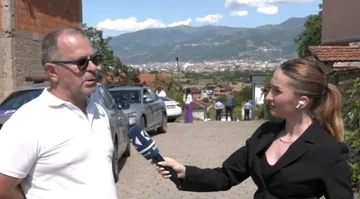
News that more coals will be burned at this plant was met with concern by Jelel Zendely, who lives nearby.
The “people here are revolting. This power plant shouldn't work another day. The sooner they shut it down, the better”, he said.
Much dust has fallen on the surface of his house, caused by burning coal in the thermal power plant. / VoA