a minute ago
War in Ukraine slows down Kosovo's economy
Periskopi(4 years ago)
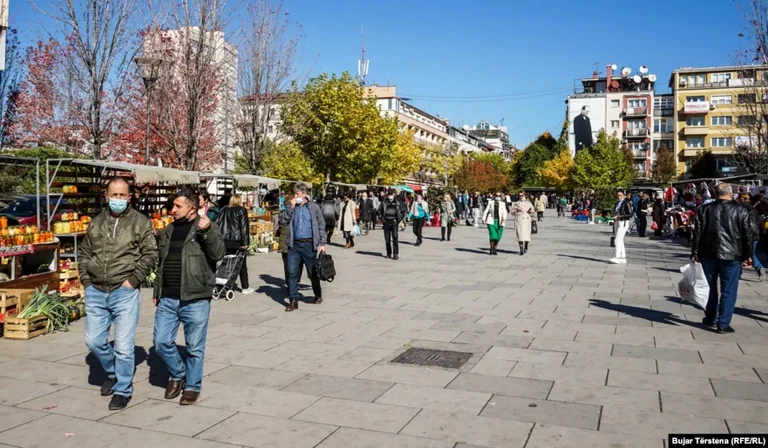
(4 years ago)Increasing inflation and declining living standards will be just some of the consequences of the war in Ukraine, which will reach Kosovo's citizens, says University of Pristina economics professor Berim Ramosaj. According to him, Kosovo will be among those countries that will have greater economic difficulties, [...]
Increase in inflation and lowering the living standard will be just a few of them The Consequences of War in Ukraine, which will reach Kosovo citizens as well, says University of Pristina economics professor Berim Ramosaj.
According to him, Kosovo will be among those countries that will have greater economic difficulties compared to the more developed countries.
“countries that have a level of development and have stable balance are more likely to cross this process. While, in countries that have a negative trade report, as is the case in Kosovo, there is no doubt that the consistencys of global and regional economic developments are more serious”, Ramosaj tells Radio Free Europe.
High trade deficit, for years, poses a major challenge for Kosovo, which It's an importer of almost all products.

According to Kosovo Statistics Agency data, import of goods in January this year has seized the value of 338.1m euros, while export has been worth 64.2m euros.
BQ: Economic growth from 10.5 to 3.3 percent
As a result of the war in Ukraine, Kosovo's economy will suffer a slowdown in activity, Kosovo Central Bank projections (BQK) show.
According to them, economic growth will slow to about 3.3 percent this year, down from 10.5 percent in 2021.
The war in Ukraine has influenced increasing risks for economic prospects. The impact of this crisis is expected to reflect on further potential increases in energy, oil and food prices, with negative effects on consumer credibility and purchasing power”, said a BEC report published on March 21st.
The riots in markets that have caused Ukraine's invasion from Russia have particularly raised energy, oil and gas prices.
Europe, some 40 percent of gas supplies are obtained from Russia.
Russia and Ukraine together make up about 30 percent of the global grain exports.
Ukraine is also one of the largest iron producers. Days ago it was reported that one of the largest iron and steel factories in Europe located in The city of Maritupol Ukraine is destroyed.
University of Mitrovica Economics Professor Isa Tahiri says these developments will also affect Kosovo's supply of iron and steel.
The “is a chain link, which will affect the rising price of armor used for construction. Kosovo is under construction, and this will affect halting the momentum of high construction. Banning construction momentum creates unemployment”, Tahiri says.
The Kosovo Builders' Association has already reported delays and lack of construction materials supply.
According to this association, construction materials have been expensive for more than 20 percent since the war in Ukraine began on February 24.
Government Steps in the Face of Economic Challenges
To ease the negative effects of the war on Kosovo's economy, Tahiri says the government should interfere with lowering the excise ʹ which is a tax that applies on excise products, such as energy, tobacco or alcohol, and the tax on Animatised Value (TVSH), as well as subvention of local producers.
Kosovo urgently needs to subsidize the agriculture sector. If we cannot achieve the step this year, at least we can increase production capacities for wheat, trees and vegetables for next year”, Tahiri says.
On 9 March, the Kosovo government has earmarked 50m euros for subsidies to the agriculture sector. Only for wheat subsidies have 474 euros per hectare been allocated.
According to the Central Bank of Kosovo, if the geopolitical crisis is not quickly closed and inflation rate continues to rise, the economic outlook for Kosovo will be more pessimistic compared to current expectations
In February of this year, inflation in Kosovo has reached 7.5 percent, compared to 0.7 percent in February 2021.
Kosovo, like many other countries of the world, has faced price hikes even before the outbreak of war in Ukraine.
This is largely due to supply disorders caused by the body of the Coronervirus pandemic.
On March 11, the United Nations Food and Agriculture Organization (FAO) has warned of further price increases of up to 20 percent as a result of the war in Ukraine.
FAO has said Ukraine will hardly be able to harvest wheat this season, while taking products from Russia has also become more difficult, as businesses do not want to risk falling against the sanctions this state has. / REL