21 minutes ago
Putin gives signals for peace, called Erdogan this afternoon, speaks adviser who heard the call
Periskopi(4 years ago)
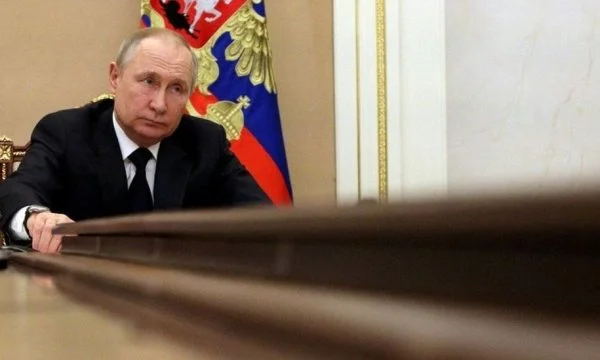
(4 years ago)Turkey is carefully positioned between Russia and Ukraine, and this seems to be paying off. Thursday afternoon, Russian President Vladimir Putin has called Turkish President Recep Tayip Erdogan, and has told him that specific Russian demands are for a peace agreement with Ukraine. Half an hour later, the BBC has [...]
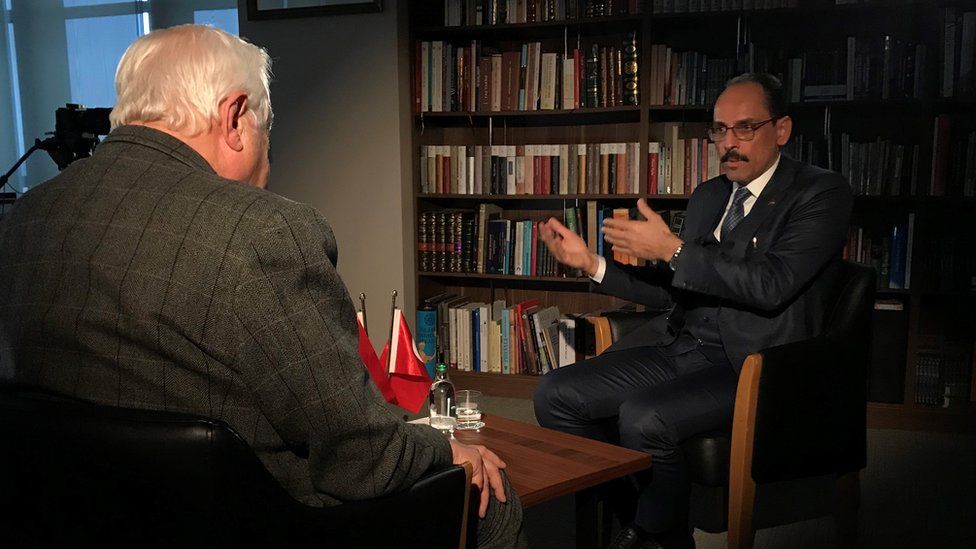
Half an hour later, the BBC has interviewed top adviser and spokesman for President Erdogan Ibrahim Kalin, who was part of a small group who has heard this call, writes Express newspaper.
Russian demands are divided into two categories. First Four RequestsAccording to Kalin, they are not difficult to fulfill by Ukraine. One of them is for Ukraine to accept neutrality and not join NATO. Ukrainian President Zelensky has already indicated he can accept this.
There are other demands in this category, more than enough to save Russia's face.
Ukraine will also have to undergo an disarming process to ensure that it poses threats to Russia and must protect the Russian language in Ukraine.
It's a request linked to denification. This is extremely offensive to Zelenski, who is Jewish, with some family members killed in Holocaust. However, the Turkish side believes it will easily be acceptable to it. Perhaps Ukraine will simply condemn all forms of neonazism and promise to fight.
Second category of requests, It is where difficulties were raised and in the developed call, Putin has called for face-to-face negotiations with President Zelenski, before agreements on these points are reached. Currently, Zelenski has declared he is ready to meet Putin.
In conversation with BBCKalin has been less specific on these issues, saying they include the status of Donbas, part of which has already been cut off from Ukraine. Putin also wants the Crimean status to be discussed.
Although Kalin has not spoken of details, the assumptions are that Putin will seek Zelenski to give up territories in eastern Ukraine. This thing will be difficult.
Other proposals, the BBC writes, are that Russia will also formally accept the independence of the Crimea, which Russia illegally annexed in 2014, which now practically belongs to Russia. This will be hard for Ukraine to swallow.
According to Kalin, Putin's demands are not as difficult, as some fear may be. However, this time, but also the time after the eventual agreement between the two countries, will be heavy for Ukraine. This, because, in the event of its disrespect, Russia can take a new action of invasion.