15 minutes ago
International Women's Day - History, Marching, and Celebrations
Periskopi(4 years ago)
(4 years ago)You may have seen the International Women's Day speak of it in the media or heard friends talk about it. But what is this day? When is it? Is it a party or a protest? And what events will take place this year for this party? For over a century, people worldwide [...]
But what is this day? When is it? Is it a party or a protest? And what events will take place this year for this party?
For over a century, people around the world have marked March 8 as a special day for women, reports the BBC, broadcast Klankosova.tv.
Read the following article to find out why.
How did it start?
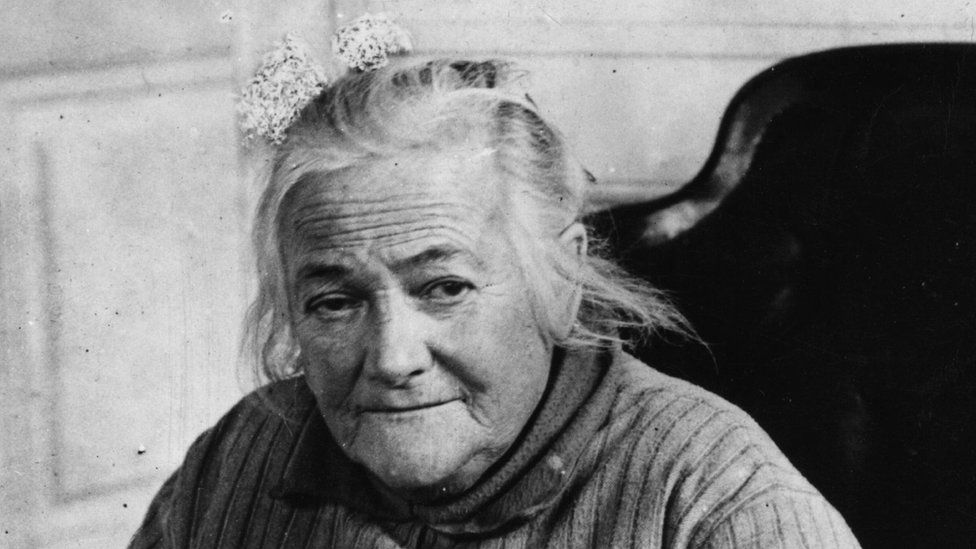

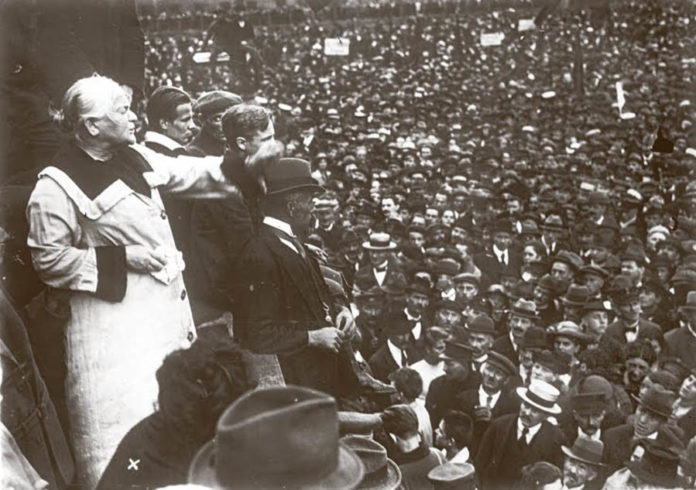
In the photograph, Clara Zetkin, the woman who created International Women's Day.
International Women's Day was set up by the work movement to become an annual event known to the United Nations.
The seeds were sown in 1908, where 15,000 women marched through New York, demanding a cut in working hours, better wages, and the right to vote. A year later, the Socialist Party of America announced International Women's Day.
It was Clara Zetkin, a communist activist and a lawyer for women's rights, who gave the idea of creating an international day.
She said her idea at an International Conference of Working Women in Copenhagen in 1910 and 100 women there from 17 countries agreed to unanimously.
International Women's Day was first celebrated in 1911 in Austria, Denmark, Germany, and Switzerland. The centennial was celebrated in 2011, so this year we are technically celebrating the 111th anniversary.
This was formalized in 1975 when the United Nations began to celebrate this day.
The first topic approved (in 1996) was “To celebrate the past, to plan for the future”.
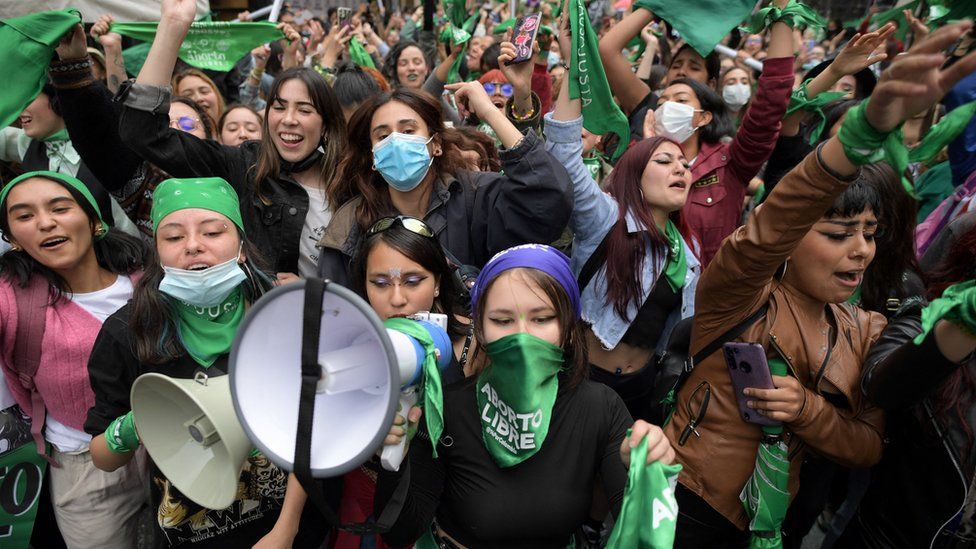
International Women's Day has become a date where women's achievements in society, politics and economics are celebrated, until strikes and protests are organised to raise awareness of continued inequality.
Why March 8?
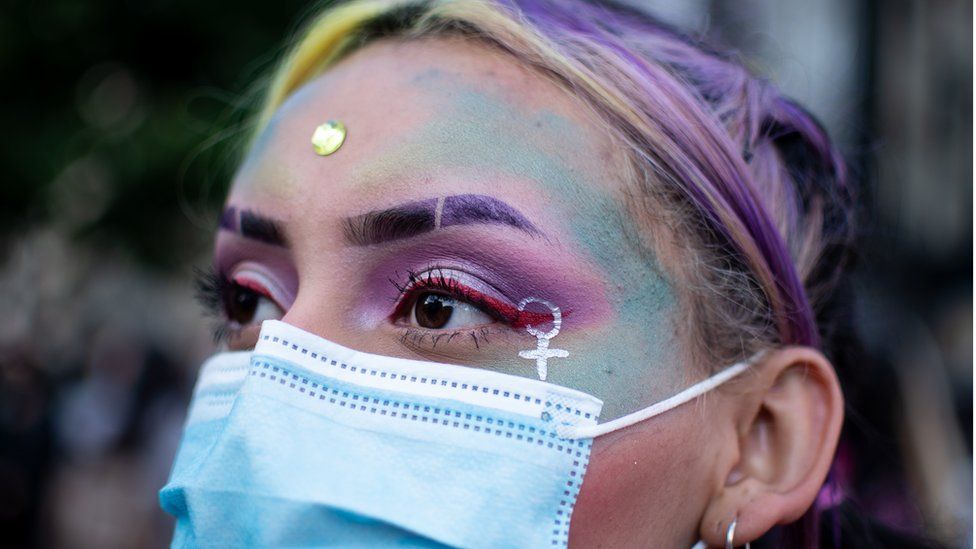
Clara's idea for International Woman's Day did not have a specific date.
It was not formalised until the wartime strike in 1917, when Russian women demanded <x0uk and peace”, until four days after the strike, the Kara was forced to give up and the government allows women vote rights.
The strike began on March 8, which became the date of the International Women's Day being celebrated.
Why do protesters wear purple?
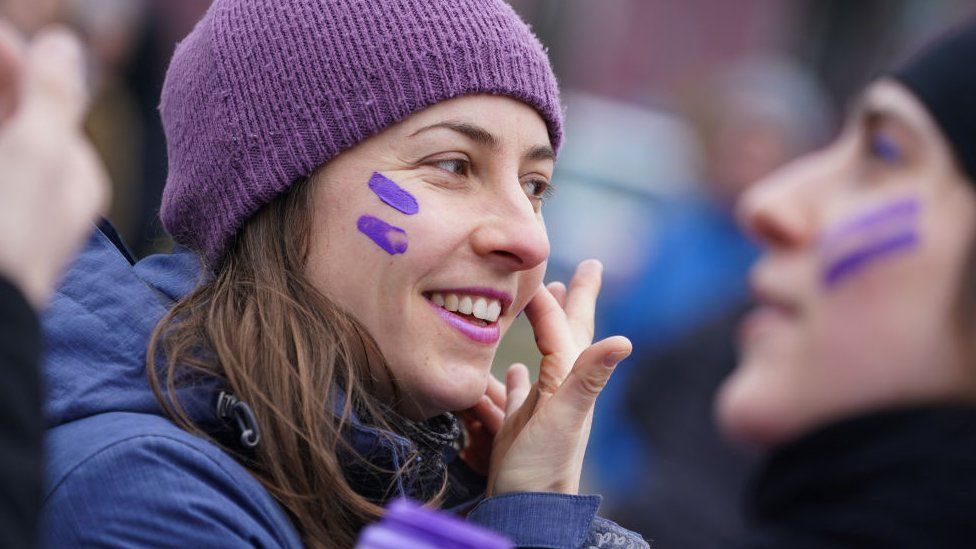
Color often connects to IWD since it implies justice and dignity.
Vjolca, green and white are the colors of IWD, according to the International Women's Day website.
“Vjollca implies justice and dignity. Green symbolizes hope. White represents purity, although a controversial concept. Colors originate with the Social and Political Union of Women (WSPU) in the UK in 1908,” is said to be away.
Yes, is there an International Men's Day?
Indeed there is, and it is November 19th.
But it has only been marked since the 1990s and is not recognised by the UN. People celebrate it in more than 80 countries worldwide, including Great Britain.
On this day, it celebrated the positive “values men bring to the world, their families and communities”, said organisers, and intended to highlight positive models, raise awareness of the welfare of men and improve gender relations.
How is women's day celebrated, and will there be virtual events this year?

International Women's Day is a national holiday in many countries, including Russia, where flower sales double over three or four days about March 8.
In China many women are given half a day off on March 8 as advised by the State Council.
In Italy, International Women's Day, or la Festa della Donna, is celebrated by donating mimosa flowers. The origin of this tradition is unclear, but it is believed that it began in Rome after World War II.
In the United States, the month of March is the month of women's history. Through a presidential announcement issued each year, American women's achievements are honoured.
This year, celebrations will continue to look slightly different because of the choreography, and virtual events are expected to take place worldwide, including this UN organised.