28 minutes ago
Crime and Mystery: 16 Putin critics killed under mysterious circumstances
Periskopi(4 years ago)
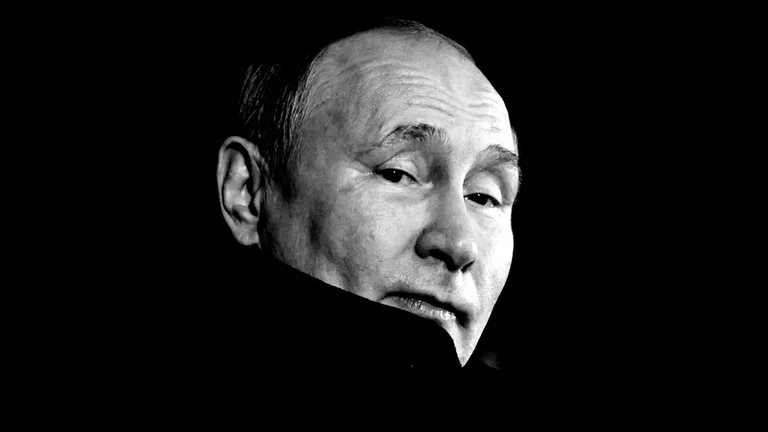
(4 years ago)A number of Putin's high profile critics and his policies have ended up killed for many years, writes Mirror, broadcast Periscopi. The most famous case, the murder of Alexander Litvinenko, who had happened on British soil -- after the former spy died of poison after drinking a poisoned tea. Here are [...]
The most famous case, the murder of Alexander Litvinenko, who had happened on British soil -- after the former spy died of poison after drinking a poisoned tea.
Here are some of the other people who openly criticised Putin- a former KGB lieutenant colonel and former head of FSB before they died.
The summary of the list comes at a time when Ukrainian officials claim they have discovered a plan to poison Putin and that his successor has already been selected, as sanctions continue to hit Russia's economy.
By 2018 it was reported that the United States and the United Kingdom had returned to the suspicious deaths of Russian citizens abroad.
The dangers of mysterious deaths, all of which happened to people who possessed information that the Kremlin did not want their publication, should not be ignored by Western countries”, the Senate Foreign Relations Committee warned last year.
Alexander Litvinenko
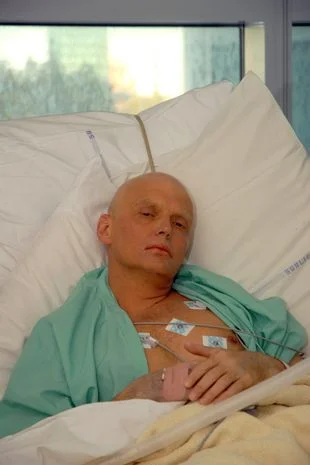
Former KGB agent Alexander Litvinenko, a Russian defector, had been poisoned with polyonium yet21050 radioactive in London.
He died three weeks after drinking a tea containing the deadly substance.
After leaving the FSB, which was led by Putin, he had openly criticised the agency and charged him with carrying out an apartment shelling machine in 1991, where hundreds of people were left dead.
He had also accused Putin of ordering the murder of Russian journalist Anna Politkovskaya.
The official report on his death had been found to have been poisoned by Russian agents Andrei Lugovoi and Dmitry Kovtun, and had concluded that the order to kill Litvinenko was probably issued by Putin himself.
Anna Politkovskaya
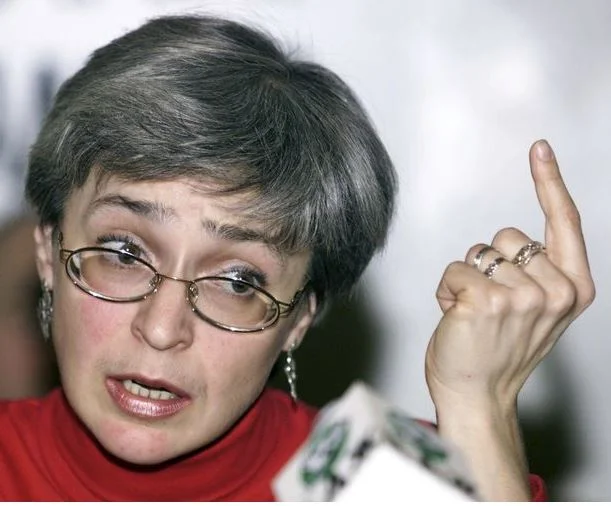
Anna Politkovskaya was a Russian journalist who had accused the president of turning the country into a police state in her book Russia of Putin
She had covered the abuses in Chechnya and was a loud critic of Putin. She was killed by a contract killer who shot her from the vicinity of a elevator in the building where she lived in 2006.
Five men were convicted of her murder, but the court had decided that the case was a murder of payment, with 150,000 dollars paid by an unknown person.
Putin had denied any kind of involvement of the Kremlin in her death, saying her death itself is more harmful to present authorities in both Russia and the Czech Republic than its activity.
Denis Vronkov
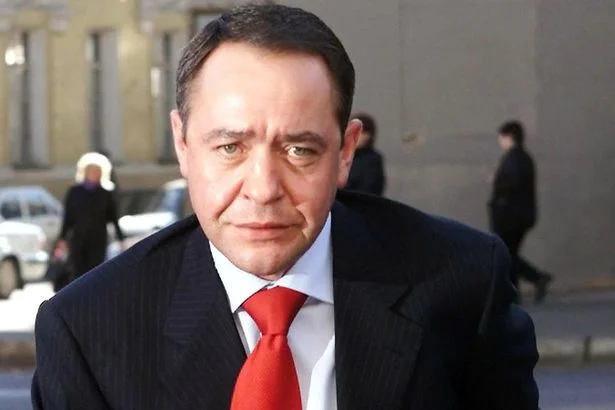
Former Russian President Denis Voroninkov, who had fled to Ukraine, was shot to death in Kiev shortly before testifying against Prime Ministerpro-Putinı.
He had been shot three times by a stranger outside the luxury hotel...Premier Palace... in 2017.
Paraly loyal to the Kremlin, Voroninkov and his wife, Maria Maxakova, also former deputes, became critical of Putin's rule.
In an interview, he had drawn similarities between modern Russia and Nazi Germany and said that the annexation of the Crimea from Ukraine in 2014 had been legal.
Ukraine's Attorney General, Yuri Lutsenko, had said that the murder was a pay-out murder, but that no one was convicted.
Doras and Voroninkov's guards were both injured during the shooting and sent to the hospital. Later, the killer was dead, the police called.
Ukraine's president at the time, Poroshenko, had accused Russia of committing crime in order to silence a man who was obliged to leave Moscow for political reasons.
Mikhail Lesin
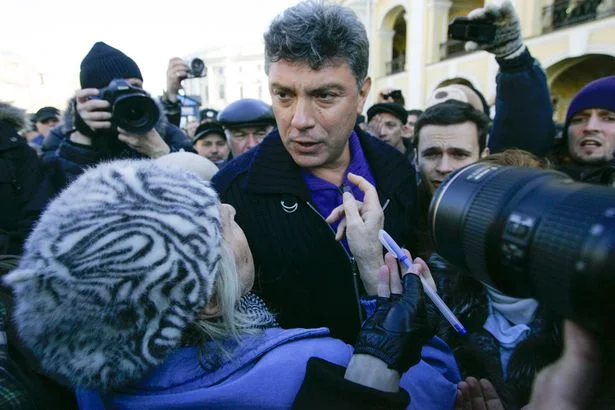
Former press minister Mikhail Lesin was found beaten to death in a hotel room in Washington in 2017.
A confirmed report had said that Lesin, who had founded television Russia Today, (RT), had changed his life due to severe head injuries.
It was reported that he was considering the possibility of making an agreement with the FBI in order to avoid corruption charges.
He was Putin's minister for a mandate before being fired and left for the US.
In an article about his death, "BuzFed" quoted an FBI agent as saying: “Less had been beaten to death. There seems to be an effort to cover this fact for reasons I don't know”.
Boris Nemtsov
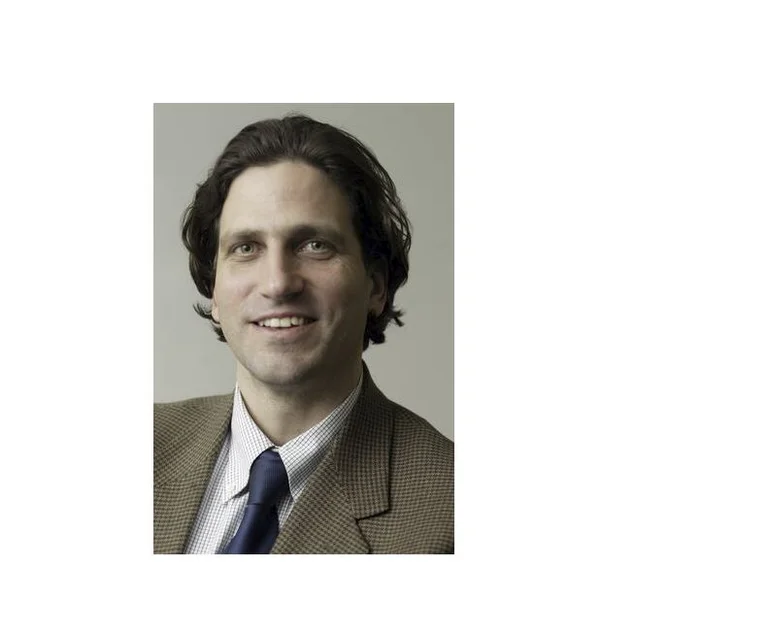
Boris Nemstov, the Russian opposition leader, was shot dead in front of the Kremlin seven years ago.
Nemstov, then Russia's most vocal critic, Putin, had been organising gatherings contrary to the Russian Army's involvement in Ukraine.
A few hours after the anti-war protest in Ukraine, he was shot by a stranger outside the Kremlin. Putin had taken over the investigation, with critics suspected of it being a cover.
Paul Klebnikov
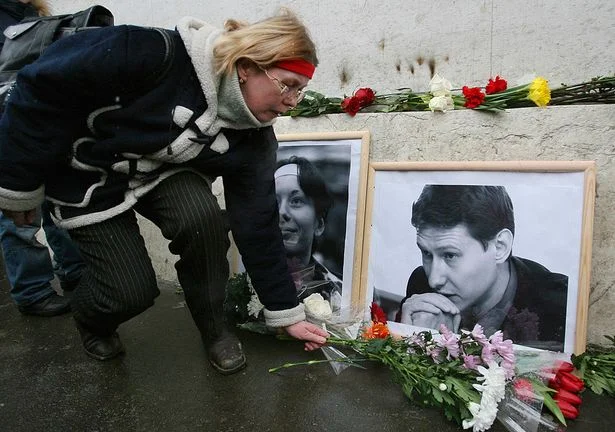
Paul Klebnkiov, an investigative journalist from the United States and editor of the éorbes Russia, was shot dead at the entrance of his office in Moscow in 2004.
Earlier, he had written about corruption in the country and was investigating the assets of the wealthy Russians, with Frobis publishing a list of the country's richest people.
Klebnikov was killed in the movement - being shot by what appears to be a contract murder.
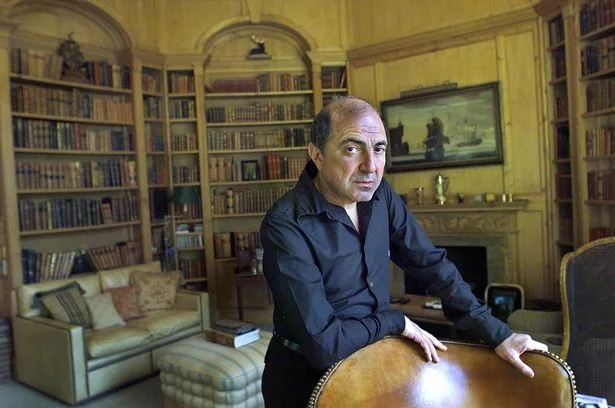
Boris Berezovsky
One of the country's most powerful people, the self-made Russian oligarch that had helped Putin achieve power.
But the two were broken and he had moved to London, where he became a loud critic of the president.
He had accused the Kremlin of standing behind Litvinenko's death- before he found signs of life at his home in Berkeley in 2013.
He was found dead in his tosh-bine in a bathroom locked with a rope around his neck.
Stanisislav Markelov and Anastasia Baburova
The lawyer known for human rights, Stanisislav Markelov, was shot by an armed disguise near the Kremlin in 2009.
He was known for representing Chechen civilians who were experiencing violence exercised by the Russian military. On the day he was killed, at the point of the day, he had just held a conference protesting the release of an army colonel who had killed a young Chechen girl.
He also represented the murdered journalist, Anna Politikovskaya, broadcast Periscopi.
The journalist, Anastasia Baburova, had been killed, tax was trying to help.
Russian authorities had said that a neo-Nazi group was behind the killings, and two members of this group were convicted.
Sergei Magnitsky
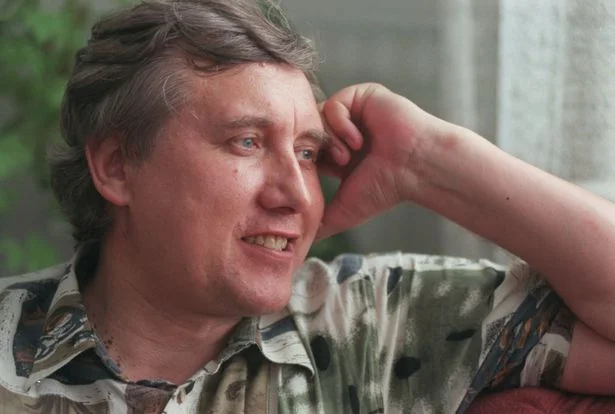
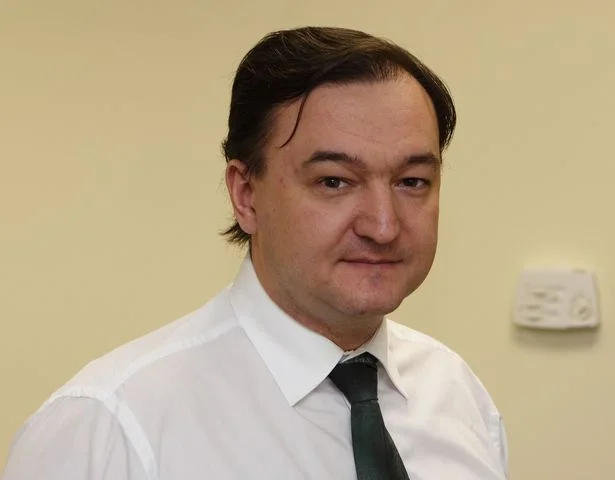
Lawyer Sergei Magnitsky had died during police custody in November 2009 after being brutally beaten and denied medical help.
He had been working for Anglo-American businessman William Browder to investigate tax fraud.
In 2012, three years after his death, he was found guilty of tax evasion. Since then, Browder has successfully lobbied in the American government about imposing sanctions on people involved in his murder.
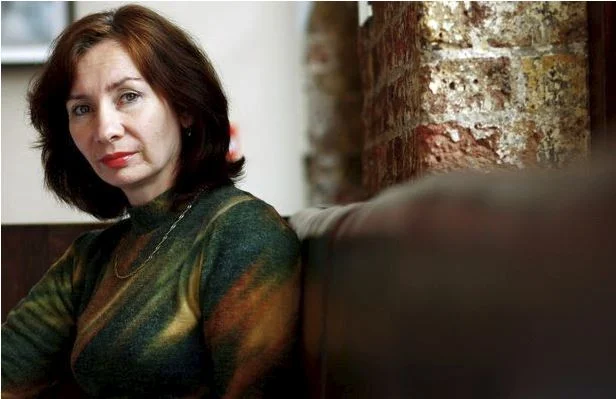
Natalia Estemirova
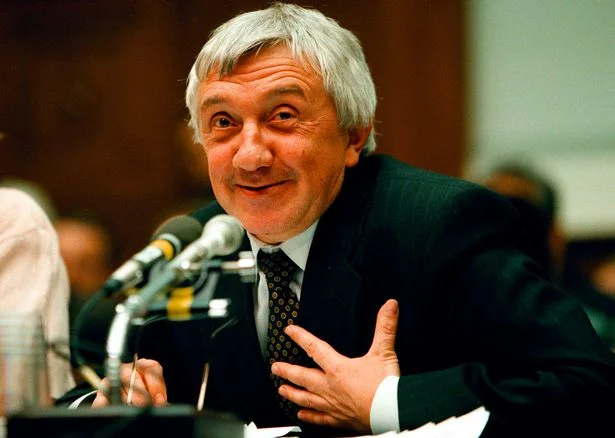
The leading human rights activist had been kidnapped at the entrance to her home in Chechen City, Grozny and was shot in 2009.
Her body had been found in Inguschetia, west of Chechenia, while her colleagues said she had been working on sensitive cases.
The court had ruled that there is no evidence of state involvement in its murder, until Russian officials claim it was killed by an Islamic terrorist whose whereabouts remain unknown.
Sergei Yushenkov
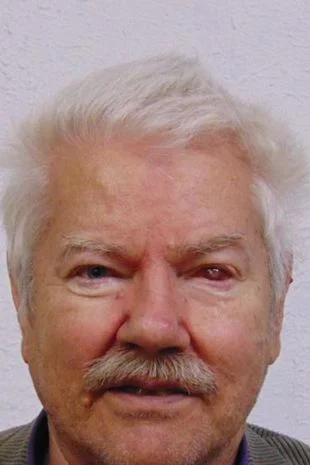
Yushinkov had cofounded the opposition party é liberal Russia] with businessman Boris Berezovsky before he was shot dead in Moscow in 2003, outside his apartment.
Four men were condemned for his death.
As a leader, he firmly criticised the Kremlin for an anti-democratic legislature, as well as government wars in Chechnya.
Yuri Schchekochikhin
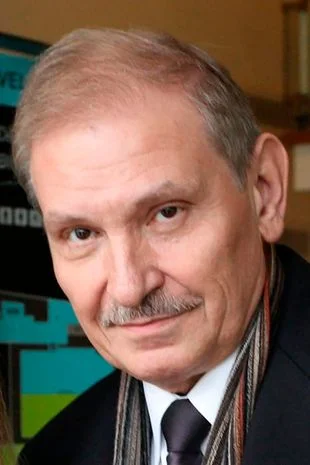
Yuri Schchekochikhin, editor in Novaya newspaper, died in 2003 after a mysterious 16-day illness.
Official reports had said he died because of a rare allergic reaction, but no one ever explained who he was allergic to, and his family had said they believe he was poisoned.
His work focused on crime and corruption in the former Soviet Union and he was investigating bombings in apartments in 1999, when he was involved in a mysterious illness in July 2003.
His medical documents were classified as sensitive by Russian authorities.
Yevgeny Khamaganov
The editor-in-chief of the day-to-day ʹAsia-Russiaʹ died under inexplicable circumstances.
The anti-censor index had reported: “According to local media, Khamaganov was sent to the hospital on March 10th because of diabetes, had fallen into a coma and had passed away several days later”.
“Khamaganov was known for articles critical of Russian government policies”.
Nikolai Andrinuschenko
Nikolai, who was known for his criticism of President Vladimir Putin, died after being beaten by some strangers in 2017.
Two strangers had approached him and had demanded that his investigation into abuse of power be handed over to police officers. After the attack, he had refused to report the case to the police and was again attacked after a few days.
The 73-year-old journalist who had cofounded the newspaper 'Noovy Petersburg' and had become known for his reporting on human rights and criminality, had fallen into a coma and never returned to consciousness. He died in the hospital after a brain surgery.
Nikolai Alekseevich Glushkov
Putin's critic in the blast was choked to death with a dog collar in his New Malden house in northwestern London in March 2018 by a paid man who had attempted to scan the case as a suicide.
He had told his friends that he had saved an attack with poison in advance.
Yuli Dubov, the last survivor of Putin's critical group in the United Kingdom, spoke extremely of the Mirrary this month.
He said: The entire history of Nikola's communications with the outside world was on his laptop, his phone and his iPad”.
All of this was taken by police and the man who killed Nikolai is certainly one of them. / P ERISCOPI/