2 hours ago
Projects that never became functional but spent millions on them
Periskopi(4 years ago)
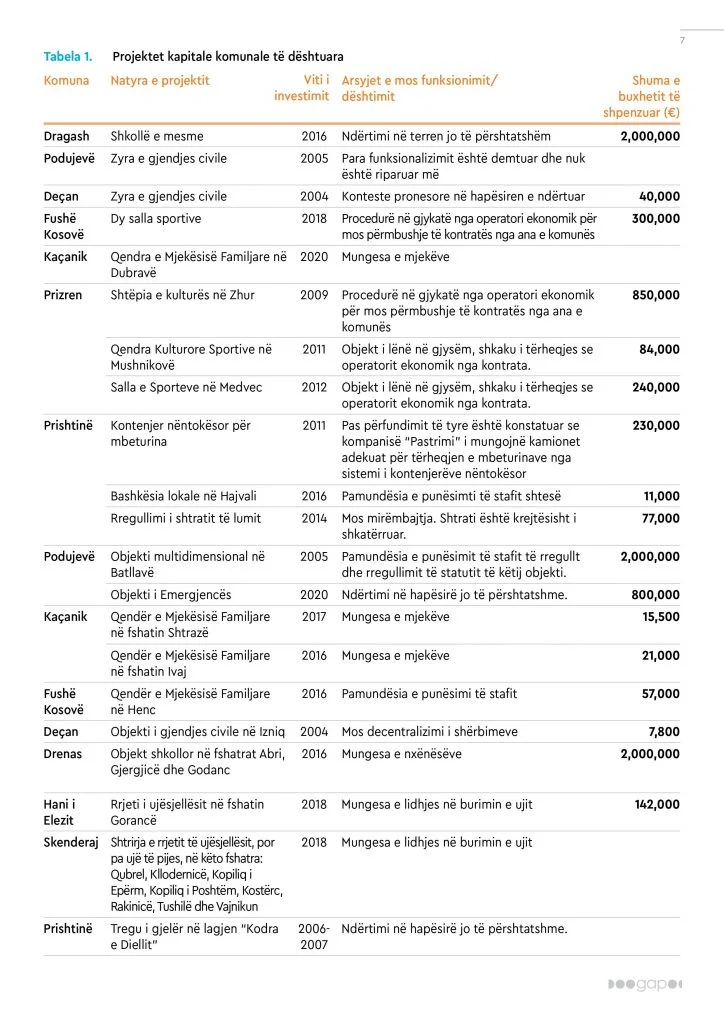
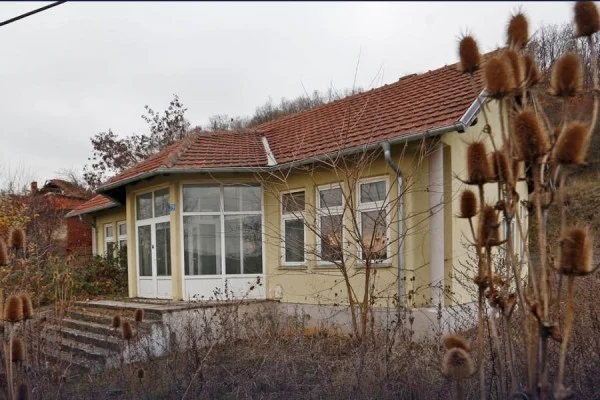
(4 years ago)The GAP Institute today released the report “The sustainability of capital investments in the municipalities”. At the municipal level, a considerable number of capital projects have never been functional or reached the planned outcome. “Despite the high need for investments, millions of euros of taxpayers have been spent on construction of various items that have not been exploited. [...]
“Despite the high need for investments, millions of euros of taxpayers have been spent on building various items that have not been exploited. In some cases, buildings built have been damaged by their non-ex1> failure, GAP says.
The GAP Institute report provides examples of investments conducted since 2000 that have not yet been functional. While other cases include building schools, which after completing the construction, have been found that the ground is inappropriate for student arrivals, or building medical centres for which after completion it has been ascertained that there are no number of doctors to make them functional, and until the construction of underground waste containers, which only after construction has been found that Kosovo lacks adequate vehicles for the withdrawal of waste into the underground system.
These cases, in addition to proving inadequate investment planning, are also the result of demographic changes and, therefore, the lack of the need to exploit them; failure to maintain and damage projects after the completion of investments; property disputes; lack of sufficient funds to complete the project; and in some cases, the inability of municipalities to accept regular pay staff, in managing or functioning certain”, the GAP follows.
According to this report, the reasons that may lead to failed capital investments on the one hand are linked to the insufficient non-includement of interest groups during project stages, and on the other, with full disrespect of procurement legal procedures, starting with drafting contracts with economic operators and monitoring their implementation.